
Tools
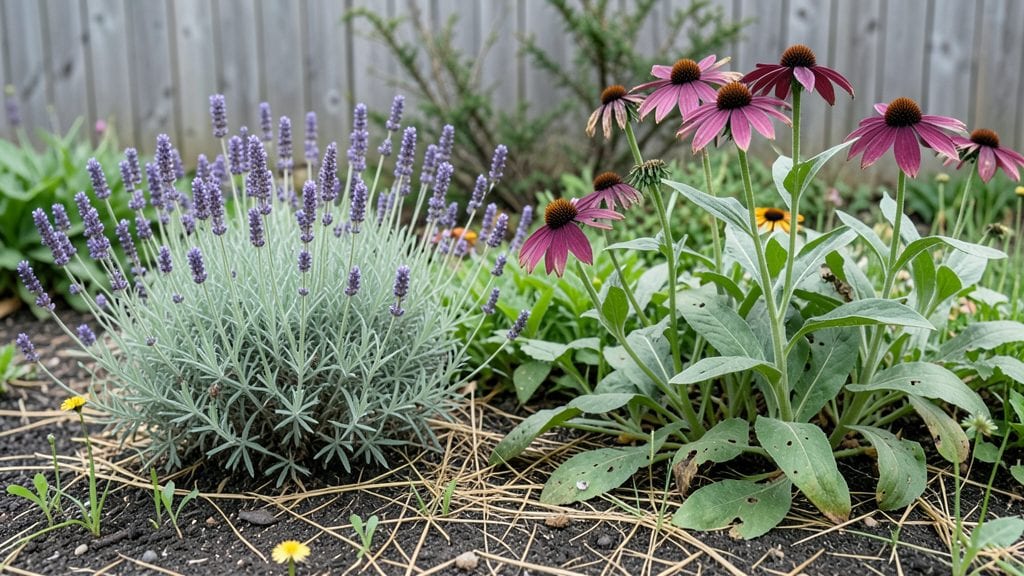
My dream garden began as a whimsical cottage-style backyard filled with edible surprises—where roses climb arbors and strawberries peek out from beneath. 🌿 from beneath. My garden feels like a hug from nature, with every path inviting you to linger a little longer.
Start with a winding gravel path that meanders through the space, flanked by low-growing herbs like thyme and oregano. Add a few rustic wooden trellises for climbing plants—jasmine, clematis, or even edible peas—and let them weave their magic.
The key is mixing ornamental favorites with functional edibles, so you never have to choose between beauty and bounty. My favorite combo? Lavender beside rosemary, with a few tomato plants tucked discreetly nearby.
By the end of summer, you’ll have a garden that looks like a postcard but also feeds you fresh berries, herbs, and flowers. The scent of roses mingling with the earthy aroma of thyme is pure magic, and the best part?
Every time you harvest a snack, it feels like a little secret shared between you and the garden. Let’s bring this dream to life—one plant at a time.
This style works in any size space, from a cozy corner of a balcony to a sprawling backyard. Whether you’re drawn to pastel colors or rich jewel tones, the cottage garden adapts to your vision while keeping that charming, lived-in feel. The only rule? Make it yours.
📚 In This Guide
- What you need
- Instructions
- Tips and common mistakes
- Wrapping up and next steps
What you need
- ● Topsoil: 2–3 cubic yards (for a 10’x10’ garden bed). Opt for organic, well-draining soil with a pH of 6.0–7.0.
- ● Compost: 1–2 bags (for enriching soil and retaining moisture). Look for aged compost to avoid weeds.
- ● Mulch: 2–3 bags (cedar or straw mulch, 2–3 inches thick). Keeps roots cool and deters weeds.
- ● Garden edging: 20–30 feet (flexible metal or stone). Creates clean lines for your cottage charm.
- ● Garden stakes & twine: 10 stakes + 1 spool twine (for trellises or climbing plants like clematis or roses).
- ● Pebbles or decorative stones: 5–10 lbs (for pathways or borders). Choose smooth, flat stones for a whimsical touch.
- ● Garden trowel: 1 (for planting small perennials or herbs).
- ● Hand fork: 1 (for aerating soil without disturbing roots).
- ● Wheelbarrow: 1 (for hauling soil, mulch, or plants).
- ● Pruners: 1 pair (bypass pruners for clean cuts).
- ● Watering can or hose with nozzle: 1 (for gentle watering).
- ● Measuring tape: 1 (to map out your layout).
- ● Knee pads: 1 pair (because your knees will thank you!).
- ● Decorative garden signs: 3–5 (hand-painted or vintage-style for a cottage vibe).
- ● Birdhouses or bat boxes: 1–2 (to invite pollinators and keep pests away).
- ● Fairy lights or solar-powered stakes: 10–20 (for enchanting evening ambiance).
- ● Edible flowers: Seeds or starts (e.g., nasturtiums or pansies) for dual beauty and flavor.
- ● Rain barrel: 1 (to collect water sustainably).
Step-by-Step instructions for designing your whimsical cottage garden
Here's how to create a charming, functional garden that blends beauty with hidden edible delights.
🪴 Step 1: Plan Your Layout With a Cottage Garden Framework
Start by sketching a rough design on graph paper, using a 4-foot square grid as your base. Cottage gardens thrive on layers, so plan three distinct levels: tall backdrops, mid-height shrubs, and low-growing perennials. I like to dedicate one corner to a hidden herb spiral—it’s both decorative and practical.
Place your largest elements first: an old tree stump as a focal point or a weathered bench for seating. These anchor pieces create visual balance. Leave winding paths of 3-foot width between sections so you can comfortably tend to plants without trampling them. Mark these paths with stepping stones or crushed gravel to keep them defined.
🌱 Step 2: Choose Plants That Delight the Senses
Select a mix of ornamental flowers, fragrant herbs, and edible surprises to weave throughout. I love pairing classic cottage favorites like lavender and roses with hidden edibles such as nasturtiums (edible flowers) and chives tucked among the perennials. Aim for 70% ornamental and 30% edible to keep the whimsical look while reaping rewards.
Group plants by their sunlight needs—place sun-lovers like hollyhocks and sunflowers on the south or west side, while shade-tolerant plants like ferns and hostas thrive near the north or under trees. Add climbing roses or clematis to trellises for vertical interest, and intersperse low-growing thyme or oregano as ground cover to suppress weeds naturally.
☀️ Step 3: Create a Hidden Herb and Edible Garden Nook
Designate a small, secluded corner for your herb spiral or edible border. A spiral shape maximizes space and creates microclimates—dry, sunny spots for rosemary and thyme, and moister areas for mint and parsley. Use 2-3 inches of compost mixed into the soil before planting to give these fast-growing plants a nutrient boost.
Plant herbs in a circular pattern, starting with the hardiest varieties like sage and oregano at the outer edges, where they’ll get the most sun. Tuck in delicate edibles like chives and cilantro closer to the center, where they’ll appreciate slightly more shade. Add a small wooden sign with their names to make it both functional and charming.
✂️ Step 4: Add Whimsical Touches for Personality
Incorporate unexpected elements like a miniature birdbath, a mosaic stepping stone, or a vintage teacup planter to elevate the cottage feel. These details make your garden feel lived-in and intentional. Place a few old-fashioned wind chimes near seating areas to add movement and sound.
Don’t forget the scent—scatter pots of sweet alyssum or jasmine along pathways so visitors get a fragrant surprise as they walk through. Add a small terracotta pot with trailing ivy on a bench or fence to soften hard lines. These touches turn a functional garden into a magical retreat.
💧 Step 5: Establish a Low-Maintenance Watering System
Install a drip irrigation system or soaker hoses to keep your garden thriving with minimal effort. Run lines along pathways and bury them slightly to avoid tripping hazards. Focus watering on the base of plants, avoiding leaves to prevent fungal issues. Water deeply 2-3 times per week, adjusting for rainfall—your goal is to encourage deep root growth, not surface moisture.
Mulch beds with 2-3 inches of shredded bark or straw to retain moisture, suppress weeds, and regulate soil temperature. This step is non-negotiable—it’s what keeps a cottage garden looking effortlessly charming with minimal upkeep. Check mulch levels annually and replenish as needed, especially around the herb spiral where plants grow densely.
Tips & tricks for perfect whimsical cottage gardens
Creating a dream cottage garden is all about the little details that make it feel magical—and these tips will help you avoid common pitfalls while maximizing charm.
Layering is Everything: When planning your 4-foot square grid in Step 1, think vertically as much as horizontally. Tall backdrops like sunflowers or hollyhocks should be placed behind mid-height shrubs such as roses, while low-growing perennials like thyme or sweet alyssum should fill the front. This creates that signature cottage garden "depth" that makes your space feel lush and inviting.
Hidden Edible Strategy: In Step 2, when you're selecting your 70% ornamental, 30% edible plant ratio, opt for edibles that double as decor. Nasturtiums add vibrant color to salads while thriving in flower beds, and chives blend seamlessly with ornamental grasses. The key is to place them near seating areas or pathways so you can harvest without disrupting the garden's flow.
Herb Spiral Secrets: For your Step 3 herb spiral, the 2-3 inches of compost is non-negotiable—but don't stop there. Create your spiral on a slight slope to naturally direct water toward the center where moisture-loving herbs like parsley will thrive. This simple technique eliminates the need for extra watering while creating perfect microclimates for all your herbs.
Low-Maintenance Watering: The 2-3 times per week watering schedule in Step 5 works beautifully, but here's the pro move: bury your drip irrigation lines just deep enough to keep them hidden but accessible for adjustments. I like to mark their locations with small landscape flags so I can easily add new plants later without digging up the whole system.
Pro Tips for My Dream Garden
- Creating a dream cottage garden is all about the little details that make it feel magical—and these tips will help you avoid common pitfalls while maximizing charm.
- Layering is Everything: When planning your 4-foot square grid in Step 1, think vertically as much as horizontally.
- Hidden Edible Strategy: In Step 2, when you're selecting your 70% ornamental, 30% edible plant ratio, opt for edibles that double as decor.
Frequently asked questions
Got questions about creating your own whimsical cottage-style garden with edible surprises? Here are some answers to the most common ones—because every dream garden deserves a little extra magic!
What’s the best time of year to start planning my dream garden?
The ideal time depends on your climate, but early spring (for cool-season plants) or late winter (for warm-season prep) is perfect. Start sketching layouts, ordering seeds, and testing soil 3-6 months before planting to avoid last-minute stress. Pro tip: If you’re in a mild zone, you can plant year-round!
How do I keep my garden looking whimsical without it becoming a maintenance nightmare?
Balance is key! Use low-maintenance perennials (like lavender or hostas) alongside edibles, and opt for mulch to suppress weeds. Add charming touches like trellises, vintage tools, or painted pots—they’re quick to install but add major curb appeal. A drip irrigation system saves time and keeps everything lush!
Can I mix edible plants with ornamental flowers in small spaces?
Companion planting
is a dream for cottage gardens. Try pairing nasturtiums (edible flowers + pest control) with herbs like thyme or basil. For vertical space, grow cherry tomatoes on a trellis next to clematis—both thrive and look stunning together. Just ensure edibles get enough sun!
What are the most low-effort edibles for beginners?
Start with resilient, forgiving plants like:
- Herbs: Mint, oregano, and chives (grow like weeds!)
- Vegetables: Lettuce, radishes, and green beans (fast harvests)
- Fruits: Strawberries (spread easily) and dwarf fruit trees (compact + pretty)
How do I fix a garden that’s looking too cluttered or overgrown?
First, edit ruthlessly—remove dead plants and overcrowded spots. Add pathways (gravel or stepping stones) to create definition. For height, prune back leggy plants and stake tall flowers (like delphiniums). A fresh coat of mulch and a few strategic painted pots can instantly elevate the vibe!
Wrapping up and next steps
Creating your dream garden is all about blending whimsy with purpose—where every flower, path, and hidden edible surprise tells a story.
Whether you’re weaving in cottage charm or sneaking in herbs and veggies, the key is to start small, stay inspired, and let your space grow with you. 🌿✨
Ready to dig in? Sketch your first layout today—even a simple doodle—and watch your vision bloom into a garden that’s as magical as it is functional!