Tools
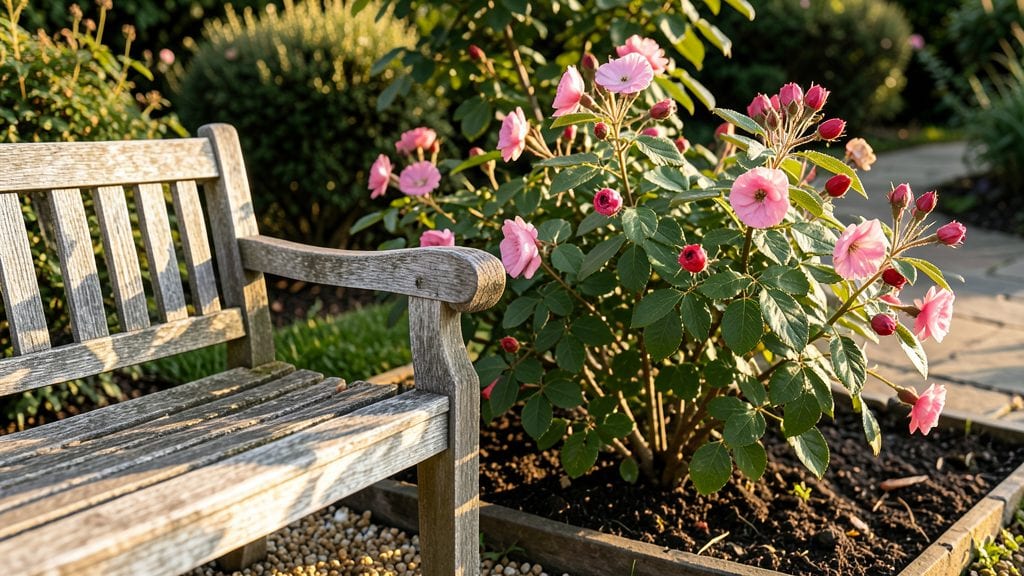
That old lady gardening down the street always made neighbors pause—her winding paths, pastel pink roses, and lavender spilling like a soft blanket. Old lady gardening isn’t about strict rules; it’s about weaving charm into every corner, where every plant feels like a hug from the past.
The magic starts with a layout that invites lingering, where you can almost hear the clink of teacups and the rustle of lace curtains.
You don’t need a sprawling yard—just a few key plants and a little creativity. Think roses climbing trellises, pansies in terracotta pots, and lavender trailing along borders. Mix in some old-fashioned peonies for drama and sweet alyssum for that "grandma’s doily" texture.
The secret? Let things spill over naturally, like a well-loved quilt left out to air. Even a small patch can feel like stepping into a storybook.
By the time you’re done, your garden will look like it’s been there for decades—soft edges, fragrant air, and a sense of timelessness. The best part? It’s impossible to mess up.
Whether you’re filling window boxes or redesigning a whole yard, this style forgives mistakes and rewards warmth. Your neighbors won’t just notice it—they’ll want to sit in it.
Works for balconies, front yards, or even a single sunny window. The only rule? Make it feel like home. Let’s get those whimsical beds planted—your garden’s waiting to tell its story.
📚 In This Guide
- What you need
- Instructions
- Tips and common mistakes
- Wrapping up and next steps
What you need
- ● Soil & Compost: 1 bag (40 lbs) of high-quality garden soil (e.g., Miracle-Gro Garden Soil)
- ● 1 bag (12 qt) of compost (for enriching the soil—look for organic options like Espoma)
- ● Plants: 3-5 perennial flowers (e.g., lavender, roses, or coneflowers—choose disease-resistant varieties)
- ● 5-7 annuals (e.g., petunias, marigolds, or pansies for color—opt for self-watering varieties if mobility is a concern)
- ● 1-2 shrubs or small trees (e.g., hydrangeas or dwarf fruit trees for structure)
- ● Basic Tools: 1 hand trowel (ergonomic grip for comfort)
- ● 1 pruning shears (bypass type for clean cuts)
- ● 1 garden fork (for aerating soil—lightweight aluminum is ideal)
- ● 1 watering can (5-gallon capacity with a rose attachment)
- ● 1 gloves (nitrile-coated for grip and protection)
- ● Decorative Touches: 1-2 garden stakes or trellises (for climbing plants like clematis or morning glories)
- ● 3-5 painted pots or containers (vintage-style or pastel colors for cottage charm)
- ● 1 garden kneeler pad (with a handle for easy standing)
- ● Maintenance Aids: 1 mulch (shredded bark or straw—2-3 cubic feet for a small garden)
- ● 1 soaker hose (for hands-free watering)
- ● 1 wheelbarrow (lightweight aluminum for transporting soil/plant)
- ● Safety & Comfort: 1 wide-brimmed hat and sunscreen (for outdoor protection)
- ● 1 portable stool or bench (for seating while gardening)
Step-by-Step instructions for crafting a whimsical cottage-garden layout
Here's how to create a charming, low-maintenance garden that feels like a storybook scene.
Define Your Garden’s Storybook Vibe
Start by sketching a rough layout on paper—this doesn’t need to be perfect, just a loose guide. I like to imagine my garden as a cozy cottage scene, so I’ll divide it into four key areas: a front pathway, a central herb or flower border, a seating nook, and a focal point like a trellis or small birdbath. Think about what feels most inviting to you—perhaps a mix of climbing roses, lavender, and ornamental grasses for texture.
Measure your space and mark where each element will go. Use stakes and twine to outline paths and plant zones if needed. This step is all about vision—you’ll refine the details as you go. I always start with the largest elements first, like a bench or trellis, and build around them. That way, everything feels intentional and balanced.
Layer Plants for Depth and Whimsy
Cottage gardens thrive on layers—tall plants in the back, medium-height in the middle, and low-growing or trailing plants in front. Use the 4 servings of plants you’ve chosen to create this effect. For example, place a 6-foot trellis (like a peony or clematis) at the back of your border, then add 3-foot shrubs (such as hydrangeas or boxwood) behind shorter perennials like roses or daylilies. Fill gaps with low-growing annuals like pansies or sweet alyssum for a soft, carpet-like look.
I like to group plants with similar water needs together—this makes maintenance easier later. For instance, place drought-tolerant lavender near the pathway where it won’t get overwatered, and keep moisture-loving plants like impatiens near the seating area. Step back often to check for balance; if one side looks too bare, add a few more plants or a decorative pot to tie it together.
Add Whimsical Touches for Character
This is where the magic happens—small details that make your garden feel alive. Scatter a few vintage garden ornaments (like old teacups, birdhouses, or wind chimes) among the plants. I love to bury a small terracotta pot halfway in the soil near a climbing rose—it adds a playful, unexpected element. You can also weave in dwarf fruit trees (like a columnar apple) or edible flowers (like nasturtiums) for a functional yet decorative touch.
Don’t forget the pathway—it’s the spine of your garden. Use stepping stones or a winding path of mulch or gravel to guide visitors through your layout. If you’re feeling extra creative, add a small archway covered in ivy or a mini gate to frame a cozy corner. These elements create a sense of journey and discovery, just like in a storybook.
Maintain with Low-Effort Care
Cottage gardens are forgiving, but they do need regular (though easy) upkeep. Water deeply once a week in dry spells, focusing on the base of plants to encourage strong roots. I like to water in the early morning so the foliage has time to dry, which helps prevent fungal issues. Mulch around plants with 2-3 inches of shredded bark or straw to retain moisture and suppress weeds—this is a game-changer for reducing work later.
Deadhead spent blooms regularly to encourage more flowers, but leave some seed heads for winter interest. Prune leggy stems in early spring to keep plants compact and bushy. I also make it a habit to rotate plants every few years—digging up overcrowded perennials and dividing them to keep the garden fresh and vibrant. This step keeps your garden looking intentional with minimal effort.
Enjoy the Little Moments
Finally, the best part of old lady gardening is savoring the process. Sit on your bench with a cup of tea and watch the bees visit your lavender. Hang a hummingbird feeder near the seating area and enjoy the flutter of wings. The goal isn’t perfection—it’s creating a space that feels like a hug for the soul.
Invite neighbors over for a stroll through your garden or leave a small sign with a whimsical quote near the entrance. You’ll find that the more you personalize it, the more it reflects your personality. And remember, gardens evolve—what looks sparse in summer might bloom into a lush paradise by fall. That’s the charm of it all.
Tips & tricks for whimsical cottage-garden layouts
Creating a storybook garden doesn't require perfection—just a few thoughtful touches that make your outdoor space feel alive and inviting.
Start with a Sketch: Before grabbing tools, spend 10 minutes sketching your layout on paper. I always begin by drawing my garden's "bones"—the largest elements like trellises or benches—first. This helps visualize how everything will flow together. Don't worry about details; even a rough outline prevents costly mistakes when you're ready to plant. The key is to create a loose framework that feels balanced from the start.
Layer Like a Painter: In Step 2, when arranging your plants, think of your garden as a canvas. Place tall plants like your 6-foot trellis at the back, then add medium-height shrubs behind shorter perennials, and fill the front with low-growing annuals. This creates depth and draws the eye through your garden. I like to step back every few minutes while arranging—it's amazing how much difference a few inches can make in the overall composition.
Add Character with Small Details: The whimsical touches in Step 3 are what truly make a cottage garden special. I've found that burying a small terracotta pot halfway in the soil near a climbing rose adds unexpected charm without overwhelming the space. Another trick: scatter vintage ornaments asymmetrically—they'll feel more natural and inviting. Remember, these details should feel like they've been there for years, not like they were just added.
Maintenance Made Easy: The 2-3 inches of mulch you'll add in Step 4 isn't just for looks—it's a game-changer for reducing weeds and retaining moisture. I recommend using shredded bark for a natural look that blends beautifully with cottage-style gardens. And when watering once a week, focus on the base of plants rather than overhead watering. This encourages stronger root growth and keeps foliage drier, which helps prevent fungal issues.
Pro Tips for Old Lady Gardening
- Creating a storybook garden doesn't require perfection—just a few thoughtful touches that make your outdoor space feel alive and inviting.
- Start with a Sketch: Before grabbing tools, spend 10 minutes sketching your layout on paper.
- Layer Like a Painter: In Step 2, when arranging your plants, think of your garden as a canvas.
Frequently asked questions
Got questions about creating a charming "old lady gardening" cottage-style garden?
You’re not alone! Here are some of the most common queries—and their practical answers—to help you get started with confidence.
What are the easiest plants to grow for a cottage-garden look?
Opt for hardy, low-maintenance perennials like roses, lavender, foxgloves, and delphiniums. Annuals such as pansies, marigolds, and nasturtiums add instant color with minimal fuss. Pro tip: Mix heights and textures for that classic "wild but whimsical" vibe!
When is the best time to plant an old-lady garden?
Start in early spring (after the last frost) for perennials and bulbs, or late summer/early fall for annuals. Cottage gardens thrive with layered planting—add spring bulbs in fall, annuals in spring, and perennials anytime the soil is workable. Patience pays off!
How can I make this look expensive on a budget?
Skip pricey containers—use thrifted pots, wooden pallets, or even upcycled teacups! Mulch with free yard waste (leaves, grass clippings) and propagate plants from cuttings. Thrift stores are goldmines for vintage garden tools and decor. Less spending, more charm!
Will I have pests in a cottage garden? How do I handle them?
Yes, but cottage gardens are naturally pest-resistant! Plant marigolds (repel nematodes) and basil (deters mosquitoes). Encourage ladybugs and lizards by adding a small water source. For stubborn pests, try neem oil or handpick (gloves help!). Nature’s balance does the work!
Can I do this in a small space, like a balcony or patio?
Use hanging baskets, vertical planters, or window boxes for trailing flowers like petunias or ivy. Miniature roses or dwarf lavender work perfectly in pots. Even a single trellis with climbing clematis adds cottage magic. Small space? No problem!
What tools do I really need to start?
Keep it simple: a small trowel, hand pruners, and gardening gloves. A watering can (or recycled milk jug!) and sturdy shears for shaping are bonuses. No fancy gadgets required! Your hands and a little elbow grease will do the trick.
Wrapping up and next steps
There’s no age limit on creating a garden that’s as charming as it is functional—old lady gardening proves that whimsy and skill can bloom together! 🌸 Whether you’re arranging cottage-style flowers, repurposing vintage tools, or embracing a cozy, storybook aesthetic, your garden can be a reflection of your personality and a joy to behold.
Start small, trust your instincts, and let your creativity grow.
Ready to transform your outdoor space? Grab your gardening gloves, sketch a quick layout, and begin planting today! Your future neighbors—and your future self—will thank you.