
Tools
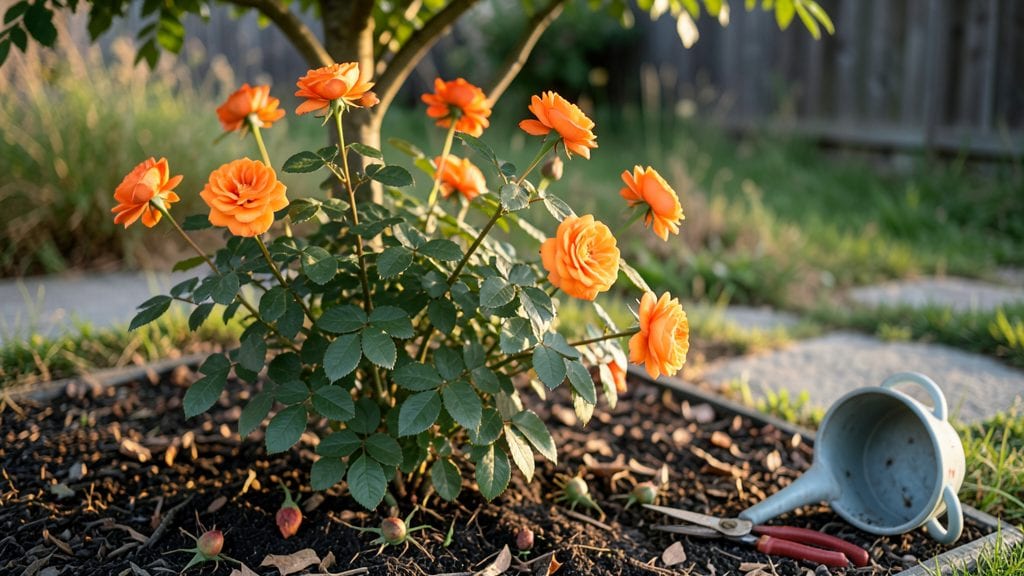
Nothing beats the bold pop of an orange garden rose lighting up your yard—its warm hue and intoxicating fragrance make it the star of any summer border. 🌿 I’ve grown this variety for years, and the secret to its lush performance isn’t complicated: it thrives with the right balance of sun, soil, and occasional pruning.
Most gardeners overlook its tolerance for heat and humidity, which means fewer deadheading chores and more blooms.
The key to keeping it vibrant starts with well-draining soil rich in organic matter—think compost mixed into the planting hole. Water deeply once a week, letting the top 2 inches dry out between soakings, and watch it reward you with glossy foliage and continuous blooms from early summer through fall.
Unlike fussy roses, this one handles neglect better than most, making it perfect for busy gardeners who still want drama.
By mid-season, you’ll be snipping stems for bouquets that fill your home with a sweet, citrusy scent—no chemicals needed. The real magic happens when you prune just before new growth kicks in, shaping the plant to encourage bushier blooms.
Even in cooler months, its disease resistance keeps it looking fresh, proving that stunning roses don’t require constant babying.
Works beautifully in mixed borders, alongside lavender for contrast, or even as a standalone specimen where its fiery blooms demand attention. Here’s how to keep it thriving all season long—no green thumb required.
📚 In This Guide
- What you need
- Instructions
- Tips and common mistakes
- Wrapping up and next steps
What you need
- ● Orange Garden Rose Bare Root or Potted Plant: Choose a healthy, disease-resistant variety (e.g., 'Orange Triumph' or 'Orange Iceberg').
- ● Well-Draining Soil: 50 lbs of a mix of garden soil, compost, and perlite (ratio: 60% soil, 30% compost, 10% perlite).
- ● Fertilizer: Balanced 10-10-10 fertilizer (1 lb) for planting.
- ● Slow-release rose-specific fertilizer (e.g., Miracle-Gro Rose Food, 1 lb).
- ● Mulch: 2–3 inches of organic mulch (e.g., shredded bark or straw) to retain moisture.
- ● Pruning Shears: Sharp, sterilized shears (or a bypass pruner for precision cuts).
- ● Gloves: Heavy-duty gardening gloves to protect your hands.
- ● Trowel or Spade: For digging planting holes (6–8 inches deep).
- ● Watering Can or Hose: With a gentle spray nozzle to avoid damaging blooms.
- ○ Stakes or Trellis: (Optional) For climbing varieties (e.g., 'Orange Iceberg').
- ○ Rose Food Spikes: (Optional) For convenient, slow-release nutrients.
- ● Pest Control: Neem oil (for aphids/mites).
- ● Diatomaceous earth (for crawling pests).
- ○ Sunlight Meter: (Optional) To ensure your rose gets 6+ hours of direct sun.
- ● Location: A spot with full sun and protection from strong winds.
- ● Water Source: Access to water for consistent hydration (1–2 gallons per plant, 2–3x/week).
- ● Patience: Roses thrive with time—expect blooms in 6–12 weeks (longer for bare-root plants).
Step-by-Step instructions for planting and caring for orange garden roses
Here’s how to get those vibrant orange blooms thriving in your garden with just a few key steps.
🌱 Step 1: Choose the Right Location and Prepare the Soil
Orange garden roses love full sun—at least 6-8 hours daily—so pick a spot that gets plenty of morning sunlight. I always check the area first thing in the morning to confirm there’s no shade from nearby trees or structures. Avoid low spots where cold air settles, as roses hate soggy roots.
Before planting, loosen the soil to a depth of 12-18 inches with a garden fork. Mix in 2-3 inches of compost from your ingredients list to enrich the soil naturally. Roses thrive in well-draining, slightly acidic soil (pH 6.0-6.5). If your soil is heavy clay, blend in some sand or perlite to improve drainage—this prevents root rot, which is a silent killer.
🪴 Step 2: Plant Bare-Root Roses at the Right Time
Plant your bare-root roses in early spring (just as buds begin to swell) or fall (about 6-8 weeks before the first frost). This gives roots time to establish before extreme heat or cold sets in. Soak the bare roots in lukewarm water for 1-2 hours before planting to rehydrate them—this jumpstarts growth and reduces transplant shock.
Dig a hole twice as wide as the root ball but no deeper. Position the rose so the graft union (the bump where the main stem meets the rootstock) sits 2-3 inches below soil level. This protects it from freezing and encourages strong growth. Backfill the hole with soil, pressing gently to remove air pockets, and water deeply to settle everything.
☀️ Step 3: Water and Mulch for Strong Growth
Water your newly planted rose deeply once a week (about 1-1.5 gallons per plant) unless rainfall provides 1 inch of moisture. You’ll know it’s enough when water drains 6 inches deep into the soil. Overwatering is worse than underwatering—roses hate wet feet. I always check soil moisture by sticking my finger 2 inches down; if it’s dry, it’s time to water.
Spread 2-3 inches of mulch (like shredded bark or pine straw) around the base, keeping it 3 inches away from the stem to prevent rot. Mulch locks in moisture, regulates soil temperature, and suppresses weeds. Replenish mulch as it breaks down—this keeps roots consistently happy without extra effort.
✂️ Step 4: Prune and Fertilize for Abundant Blooms
Prune your rose in early spring (just before new growth starts) and again after blooming to encourage more flowers. Cut back dead or crossing branches to improve airflow, and trim 1/3 of the oldest canes to the ground. This rejuvenates the plant and prevents disease. Always use clean, sharp pruners (sterilized with rubbing alcohol) to avoid spreading bacteria.
Feed roses every 4-6 weeks during growing season with a balanced rose fertilizer (like 10-10-10). Follow the package rates—over-fertilizing burns roots. I also sprinkle Epsom salt (1 tablespoon per plant monthly) to boost magnesium, which keeps blooms vibrant. Stop fertilizing 6-8 weeks before winter to let roots harden off.
🌿 Step 5: Protect and Maintain Through Seasons
In winter, mound 4-6 inches of soil or mulch around the base of the rose to insulate roots from freezing. Remove the mound in early spring before new growth starts. Watch for black spot fungus (dark spots on leaves) or powdery mildew (white dust). Treat early with neem oil or fungicide to prevent spread—once it takes hold, it’s a battle.
Deadhead spent blooms regularly to encourage more flowers. Pinch off faded blooms just above a set of 5 leaves—this redirects energy to new growth. By mid-summer, your rose should be a bushy, blooming machine. If you see yellow leaves, it’s often a sign of overwatering or nutrient deficiency. Adjust care and monitor closely.
Tips & tricks for perfect orange garden roses
These simple yet game-changing tips will help your orange garden roses thrive with minimal effort and maximum beauty.
Sunlight Secret: When selecting your planting spot in Step 1, prioritize areas with morning sun exposure—those golden rays are gentler on the plants and prevent afternoon heat stress. I’ve noticed that roses planted in full afternoon sun can develop sunburned leaves, especially in hot climates. If you must plant in afternoon sun, provide some afternoon shade during peak summer months using a sheer fabric or lattice structure.
Root Revival Technique: That 1-2 hour soak for bare roots in Step 2 is non-negotiable, but here’s the pro move: add a splash of hydrogen peroxide (1 tablespoon per gallon of water) to the soaking water. This helps prevent bacterial infections while rehydrating. After soaking, gently massage the roots to encourage them to unfurl naturally—this improves root-to-soil contact when planting.
Watering Wisdom: In Step 3, the 1-1.5 gallon weekly watering guideline assumes average soil conditions. If you’re using sandy soil (which drains quickly), increase to 2 gallons per week. For clay soil, stick to the guideline but water more frequently—every 5-6 days instead of weekly. I’ve learned the hard way that soggy roots are just as deadly as dry ones for these delicate plants.
Pruning Pro Tip: When pruning in Step 4, make your cuts at a 45-degree angle just above an outward-facing bud. This encourages new growth to spread outward rather than inward, creating a fuller bush. I also recommend pruning on a dry, overcast day—the fresh cuts heal faster than when exposed to direct sunlight immediately after cutting.
Pro Tips for Orange Garden Rose
- These simple yet game-changing tips will help your orange garden roses thrive with minimal effort and maximum beauty.
- Sunlight Secret: When selecting your planting spot in Step 1, prioritize areas with morning sun exposure—those golden rays are gentler on the plants and prevent afternoon heat stress.
- Root Revival Technique: That 1-2 hour soak for bare roots in Step 2 is non-negotiable, but here’s the pro move: add a splash of hydrogen peroxide (1 tablespoon per gallon of water) to the soaking water.
Frequently asked questions
Got questions about growing and caring for your orange garden rose? You’re not alone!
Here are answers to the most common queries to help you nurture fragrant blooms with confidence.
When is the best time to plant an orange garden rose?
The ideal time to plant your orange garden rose is in early spring (after the last frost) or early fall. This gives roots time to establish before extreme heat or cold. If planting in summer, keep soil moist and provide afternoon shade to reduce stress.
Why aren’t my orange roses blooming?
Lack of blooms often stems from over-pruning, poor nutrition, or insufficient sunlight. Ensure your rose gets 6+ hours of sun daily and fertilize with a rose-specific feed in spring and summer. Prune lightly in late winter to encourage new growth.
How often should I water my orange garden rose?
Water deeply 1-2 times per week, soaking the root zone (12–18 inches down). Morning watering is best to prevent fungal diseases. Mulch around the base to retain moisture. Avoid wetting foliage to reduce mildew risk.
What pests should I watch for, and how do I treat them?
Common pests include aphids, spider mites, and Japanese beetles. Start with a strong spray of water to dislodge soft-bodied pests. For stubborn infestations, use neem oil or insecticidal soap. Ladybugs and lacewings are natural predators—invite them to your garden!
Can orange garden roses survive winter?
Yes! Most orange garden roses are hardy to USDA Zones 5–9. Before winter, mulch heavily (4–6 inches) around the base and prune back dead growth. In colder zones, wrap canes with burlap or rose cones for extra protection.
Wrapping up and next steps
Growing an orange garden rose is a rewarding journey that brings vibrant color and intoxicating fragrance to your outdoor space with surprisingly little effort! 🌸 Whether you’re a seasoned gardener or a beginner, these fragrant blooms thrive with the right care—sunlight, well-draining soil, and occasional pruning.
With patience and love, you’ll enjoy year-round beauty that turns heads and fills the air with sweetness.
Ready to dive in? Start by gathering your supplies, then plant your first orange rose today—your garden (and future visitors) will thank you! For extra inspiration, explore rose care tips or share your progress with fellow gardeners online. Happy growing! ✨