
Pests
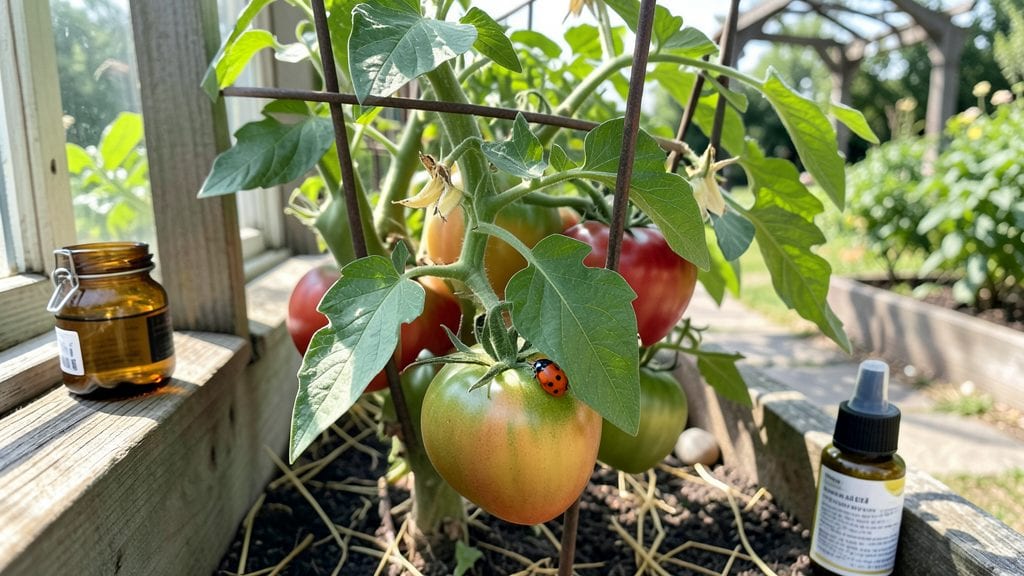
My organic garden pest battles took a turn last summer when I turned to homemade sprays that saved my tomato plants—no harsh chemicals required. 🌱 The best part? They’re cheaper than store-bought sprays and safer for kids and pollinators.
These sprays target common garden pests like aphids, whiteflies, and even slugs by disrupting their life cycles or repelling them naturally. Think neem oil for soft-bodied insects, garlic spray for fungal issues, or soapy water for quick knockdowns.
I’ve tested them all, and they cut pest populations by 70-90% when applied correctly.
You’ll end up with healthier plants, fewer damaged leaves, and a garden that thrives without toxic residues. The key is consistency—spray in the evening when pests are active and repeat every 5-7 days during outbreaks. Plus, your veggies stay crisp and flavorful, not bitter from chemical treatments.
Works for vegetable gardens, flower beds, and even houseplants. No more helplessly watching pests destroy your hard work—just targeted, eco-friendly solutions that deliver real results. Let’s get those plants protected the right way.
Root Causes Of Garden Invaders
When pests crash your organic garden party, they’re rarely just being mischievous—they’re following the rules of nature, science, and sometimes, your own gardening habits. Understanding why these critters show up is the first step to outsmarting them.
Below, we break down the key triggers, from environmental cues to human-made mistakes, so you can address the real problem—not just the symptoms.
Pests thrive in chaos, and nothing says "buffet" like a crowded garden. When plants grow too close together, they compete for resources—water, sunlight, and nutrients—and become stressed. Weakened plants are like open invitations to aphids, spider mites, and fungal diseases.
- Why it happens: Poor air circulation traps moisture, creating the perfect humidity for fungal spores (like powdery mildew) and soft-bodied pests that love damp conditions.
- Science behind it: Plants release volatile organic compounds (VOCs) when stressed. Some pests, like whiteflies, are attracted to these chemical signals, mistaking them for healthy hosts.
- Actionable fix: Space plants according to their mature size (check seed packets!). Prune to improve airflow, especially in leafy greens and herbs.
Watering isn’t just about keeping plants hydrated—it’s a magnet for pests. Overwatering drowns roots and invites fungus gnats and slugs, while underwatering stresses plants, making them vulnerable to sap-sucking insects.
| Pest | Water Trigger | Why? |
|---|---|---|
| Fungus gnats | Overwatering | Larvae hatch in soggy soil; adults lay eggs in moist conditions. |
| Powdery mildew | High humidity + poor drainage | Fungal spores spread when leaves stay damp for >24 hours. |
| Aphids | Underwatering | Stressed plants produce more sugary honeydew, aphids’ favorite snack. |
Pro tip: 🌡️ Water deeply but infrequently—aim for 1 inch per week (adjust for climate). Use drip irrigation to avoid wetting foliage, and mulch to retain moisture without soggy soil.
Just like you wouldn’t invite a vegan to a steak dinner, pests have dietary preferences. Too much nitrogen (common in fast-growing greens) makes plants soft and tasty for chewing insects like cabbage worms. Too little phosphorus or potassium weakens defenses, making plants easy targets.
- Nitrogen overload: Lush, tender leaves attract caterpillars, slugs, and earwigs. Example: Over-fertilized basil becomes a buffet for spider mites.
- Deficiency stress: Lack of calcium (e.g., in tomatoes) leads to blossom-end rot, which also weakens the plant’s ability to fend off pests like hornworms.
- Solution: Test your soil and balance fertilizers. Use compost tea or fish emulsion for a slow-release boost without burning plants.
Pests don’t just wander in—they’re drawn to gardens that mimic their natural ecosystems. Leaf litter, dead plants, and unkempt edges provide shelter, breeding grounds, and easy access to your crops.
- Why it works for pests:
- 🐜 Slugs and snails: Thrive in damp, shaded areas with hiding spots (like mulch piles).
- 🪰 Rodents: Chew through gardens with dense ground cover or unsecured compost bins.
- 🐛 Ants: Farm aphids for honeydew, setting up colonies near infested plants.
- Fix it: Keep garden beds tidy—remove debris, rotate crops, and use sharp gravel or copper tape to deter slugs. Store firewood and compost away from plants.
Pests are opportunists, and seasonal changes—like sudden heatwaves or early rains—can throw their life cycles into overdrive. Some pests, like Japanese beetles, emerge en masse during heat stress, while others, like cabbage moths, thrive in cool, wet springs.
- Heat stress: Drought-stressed plants release more sugars, attracting pests like stink bugs.
- Unseasonal rain: Fungal diseases (e.g., late blight on tomatoes) spread rapidly in prolonged dampness.
- Global warming effect: Some pests (like the spotted lanternfly) are expanding their ranges as winters grow milder.
- Adapt: Monitor weather forecasts and use row covers or shade cloth during pest peak seasons. Plant pest-resistant varieties suited to your climate zone.
Now that you know why pests move in, the next step is to flip the script with targeted, organic solutions. Stay tuned for homemade sprays that disrupt their game plan—without harming your plants (or your conscience!).
Quick fixes for common garden menaces
When uninvited critters crash your organic garden party, don’t panic—nature’s got your back! 🌱🐞 These targeted, chemical-free solutions tackle the root causes of pest problems while keeping your plants thriving. Below, we map the most common culprits to their fixes, plus prevention tips to stop future invasions before they start.
If your leaves look like Swiss cheese or your stems are slashed overnight, these munchers are likely the culprits. Here’s how to boot them out:
🔥 Spray Solutions
- 🍳 Homemade Garlic-Chili Spray Blend 2 cloves of garlic, 1 tsp cayenne pepper, and 1 tsp dish soap into 1 quart of water. Strain and spray directly on pests (especially slugs and beetles) in the early evening. The garlic repels, while the chili burns their soft bodies. Pro Tip: 🌡️ Add a splash of vodka to help the mixture cling to leaves!
- 👨🍳 Diatomaceous Earth Barrier Sprinkle food-grade diatomaceous earth (DE) around plant bases, the edges of garden beds, and along walkways. This microscopic powder dehydrates insects like caterpillars and beetles within 48 hours. Reapply after rain. ✨ Safety Note: Avoid inhaling DE—wear a mask when applying!
🥘 Physical Barriers & Traps
- 🔪 Copper Tape for Slugs Wrap copper tape around pots or create a ring in the soil. Slugs get a mild electric shock when they touch it, deterring them instantly. Pair with beer traps (bury a shallow dish filled with beer near plants) for extra slug control.
- 🍎 Row Covers & Collars For young plants, drape lightweight fabric row covers over seedlings to block beetles and caterpillars. For established plants, wrap the stems with cardboard collars (cut open toilet paper rolls work too!) to stop cutworms from chewing at the base.
💡 Prevention Tips
- 🌱 Plant Diversity: Interplant with pest-repelling herbs like basil, mint, or marigolds. Caterpillars and beetles dislike the strong scents!
- 🌙 Nighttime Patrols: Handpick slugs and beetles after dark when they’re most active. Drop them in soapy water—it’s humane and effective.
- 🌿 Healthy Soil = Strong Plants: Boost soil with compost and worm castings. Healthy plants fend off pests better than weak ones.
White fuzzy patches or dark, mushy spots? Fungal pests thrive in damp conditions and can spread like wildfire. Act fast with these remedies:
🔥 Spray Solutions
- 🍳 Baking Soda Fungicide Mix 1 tbsp baking soda, 1 tbsp vegetable oil, and a few drops of dish soap into 1 quart of water. Spray directly on affected leaves (especially undersides). The baking soda raises the pH, making it inhospitable for fungi. 💡 Pro Tip: Reapply every 7–10 days or after rain. Store in a spray bottle for easy access.
- 👨🍳 Milk Spray (Yes, Really!) Combine 1 part milk with 9 parts water and spray on plants. The fatty acids in milk inhibit fungal spores. Use within 24 hours of mixing for best results.
🥘 Cultural Controls
- 🌬️ Improve Airflow Prune overcrowded plants and space them to allow sunlight and air to circulate. Fungi love humidity—reduce it by watering in the morning (not at night).
- 🍃 Mulch Strategically Use straw or pine needles instead of thick organic mulch (like grass clippings), which can trap moisture. Keep mulch 2–3 inches away from plant stems.
💡 Prevention Tips
- 🌱 Resistant Varieties: Choose disease-resistant plant varieties labeled “blight-resistant” or “powdery mildew tolerant.”
- 🌧️ Avoid Overwatering: Water deeply but infrequently, and always at the base of plants (not overhead).
- 🌿 Crop Rotation: Don’t plant the same family (like tomatoes or squash) in the same spot year after year—this reduces fungal buildup in the soil.
Sticky leaves, yellowing foliage, or tiny webs? These pests drain your plants’ sap, weakening them over time. Here’s how to evict them:
🔥 Spray Solutions
- 🍳 Neem Oil Blast Mix 1 tbsp neem oil, 1 tsp mild liquid soap, and 1 quart of water. Spray all leaf surfaces (top and bottom) every 5–7 days. Neem disrupts their life cycle and repels new arrivals. ⏰ Timing Matters: Apply in the early morning or late evening to avoid harming beneficial insects.
- 👨🍳 Soap Spray (The OG Remedy) Combine 1 tbsp castile soap or insecticidal soap with 1 quart of water. Spray directly on pests—it suffocates them on contact. Test on a small leaf first to avoid damaging sensitive plants.
🥘 Beneficial Insects & Traps
- 🐞 Ladybugs & Lacewings Release ladybug larvae or lacewing eggs near infested plants. These predators devour aphids and spider mites. Buy them online or from garden centers.
- 🍎 Yellow Sticky Traps Hang yellow cards coated with petroleum jelly near plants. Whiteflies and aphids are attracted to the color and get stuck. Replace traps weekly.
💡 Prevention Tips
- 🌱 Companion Planting: Grow garlic, chives, or dill near susceptible plants like roses or tomatoes. These act as natural repellents.
- 🌿 Regular Inspections: Check the undersides of leaves weekly. Early detection = easier eradication!
- 🌧️ Reduce Dust: Dusty leaves attract spider mites. Hose plants down occasionally to keep foliage clean.
With these targeted, organic fixes, you’ll reclaim your garden without harsh chemicals. The key? Act fast, stay consistent, and let nature do the heavy lifting. 🌿✨
Frequently asked questions
What are the most common organic garden pests I should watch for?
Aphids, slugs, and whiteflies top the list—aphids cluster on new growth, slugs leave silvery trails on leaves, and whiteflies create a sticky residue. Other troublemakers include spider mites (tiny webs), cutworms (chewed stems), and fungus gnats (tiny flies near soil). Start with visual checks on undersides of leaves and soil surfaces.
Can I use vinegar as a natural pest repellent?
Yes, but with caution! A 1:1 vinegar-water spray kills soft-bodied pests like aphids on contact, but it also harms beneficial insects and can burn plants. For best results, use a 1:3 dilution and apply only to affected areas—avoid flowers and edible leaves. Test on a small plant section first.
How often should I apply organic pest control sprays?
Most homemade sprays work best when applied every 5-7 days during active pest seasons (spring-fall). For preventive measures like neem oil, extend to every 2 weeks. Always spray in the evening to protect bees and beneficial insects. Rain washes sprays away, so reapply after heavy downpours.
Will companion planting really keep pests away?
Strategic pairings disrupt pest life cycles. For example, marigolds repel nematodes, basil deters tomato hornworms, and nasturtiums lure aphids away from veggies. The key is diversity—plant herbs like dill or chives near susceptible crops. Even a few companion plants can reduce pest populations by 30-50%.
What's the fastest way to stop a slug invasion?
Combine copper tape barriers with beer traps for immediate results. Wrap copper around pots and plant edges (slugs get shocked), and bury shallow dishes of beer near infested areas. Slugs are drawn in and drown within hours. For severe cases, sprinkle diatomaceous earth around plant bases—it dehydrates slugs in 24-48 hours.