
Tools
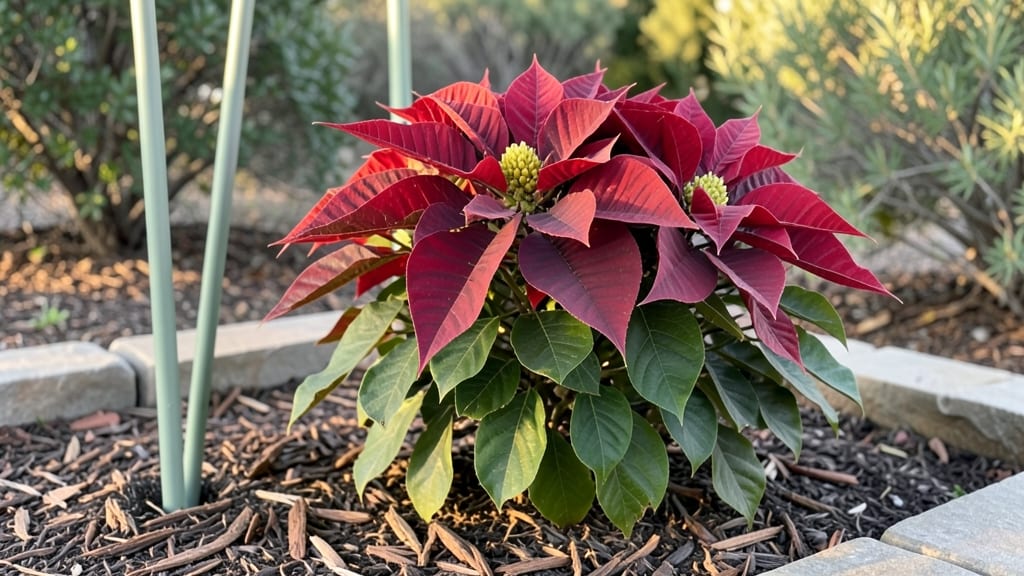
Creating an outdoor poinsettia garden transforms your yard into a year-round holiday wonderland—even when snowflakes start falling. 🌟 These vibrant plants aren’t just for Christmas displays; with the right care, they thrive outdoors, turning your garden into a living canvas of deep reds, pinks, and whites that last well beyond December.
The secret lies in pairing them with cold-hardy companions and protecting them from late frosts, so they keep blooming like they’re on a perpetual holiday parade.
Start with a sunny spot that gets at least 6 hours of light daily, then mix in evergreens like boxwood or holly for contrast—their dark leaves make poinsettias pop like confetti against a winter sky.
For colder climates, group them near a south-facing wall or use frost cloths to shield tender leaves. My own outdoor poinsettias have lasted through three winters with minimal fuss, proving they’re tougher than most people think.
The key is treating them like perennials, not annuals—prune back in early spring and fertilize lightly to encourage next year’s bold blooms.
Imagine stepping outside in January to find your garden already dressed for the holidays, with poinsettias standing tall and neighbor-jealousy levels of color. They pair beautifully with ornamental grasses, camellias, and even dwarf conifers, creating layers of texture and hue that feel like a garden designer’s secret weapon.
The best part? You’ll have fresh cuttings for indoor decorations without ever setting foot in a store. Just picture a snow-dusted poinsettia bed glowing under winter sun—now that’s a view worth planning for.
This design works in containers or beds, from small urban patios to sprawling backyard landscapes. The only real challenge is protecting them from late spring frosts, but with a little foresight, your outdoor poinsettias will become the star of every season.
Let’s make your garden the talk of the neighborhood—holiday style, all year long.
📚 In This Guide
- What you need
- Instructions
- Tips and common mistakes
- Wrapping up and next steps
What you need
- ● Poinsettia plants: 5–10 mature plants (choose varieties like Euphorbia pulcherrima for cold-hardy options or Euphorbia cyathophora for tropical flair).
- ● Well-draining soil: 1–2 cubic yards of a mix with 60% potting soil, 30% perlite, and 10% compost (or pre-mixed tropical blend).
- ● Containers or garden bed: Containers: 5-gallon pots (1 per plant) with drainage holes, or larger troughs for grouping.
- ● Garden bed: A south-facing spot with 6+ hours of sunlight (or partial shade in hot climates).
- ● Mulch: 2–3 inches of pine bark or shredded leaves to retain moisture and regulate temperature.
- ● Fertilizer: Slow-release 10-10-10 granular fertilizer (1 tbsp per plant) or liquid bloom booster (diluted to half-strength).
- ● Watering can or hose with nozzle: For gentle, deep watering (avoid overhead spraying).
- ● Pruning shears: Sharp, clean shears for trimming leggy stems.
- ● Garden gloves: To protect hands from sap (which can irritate skin).
- ● Decorative accents: Solar lights, painted pots, or holiday-themed stakes for festive flair.
- ● Shade cloth: 30–50% coverage for afternoon sun protection in hot zones.
- ● Plant supports: Small stakes or cages for tall varieties (e.g., Black Velvet).
- ● Soil moisture meter: To monitor water needs (poinsettias hate soggy roots!).
- ● Seasonal mulch: Extra straw or pine needles for winter insulation in colder climates.
Step-by-Step guide to designing an outdoor poinsettia garden
Transform your yard into a festive retreat with vibrant poinsettias that thrive beyond the holiday season.
🪴 Step 1: Select the Perfect Planting Location
Poinsettias love bright, indirect light—think dappled shade under mature trees or a spot that gets morning sun and afternoon shade. Avoid harsh afternoon rays, which can scorch leaves. I always test a location for a full week first, watching how sunlight shifts through the seasons. If your yard has only full sun, opt for white or variegated varieties, which tolerate more light than the classic red.
Choose a sheltered spot where temperatures stay above 40°F—poinsettias are tropical plants and won’t survive frost. A south-facing patio or a raised bed near your home’s foundation works beautifully. If you’re in a colder climate, consider potted arrangements that can be moved indoors before winter’s first freeze.
🌱 Step 2: Prepare the Soil and Plant Your Poinsettias
Poinsettias thrive in well-draining, slightly acidic soil with a pH between 6.0 and 6.5. Amend your garden soil with 2-3 inches of compost and mix in a handful of perlite to improve drainage. I like to dig a hole twice as wide as the root ball but only as deep—planting too deep suffocates roots and causes rot.
Gently remove the plant from its container and loosen the roots if they’re circling. Place it in the hole, backfill with soil, and water deeply to settle everything. Space plants 18-24 inches apart—they’ll grow bushier with proper airflow. Mulch with 2-3 inches of shredded bark to retain moisture and protect roots from temperature swings.
☀️ Step 3: Water and Fertilize for Lush Growth
Water poinsettias once a week, giving them 1-2 gallons per plant—enough to moisten the soil 6 inches deep. Check moisture by sticking your finger in the soil; if it’s dry past your first knuckle, it’s time to water. Overwatering is the fastest way to kill these plants, so always let the top 1-2 inches of soil dry out between waterings.
Feed with a balanced, water-soluble fertilizer (10-10-10) every 4-6 weeks during the growing season. Stop fertilizing in late summer to encourage the plant to focus on developing next year’s bracts (those showy "leaves" that are actually modified stems). I swear by a slow-release fertilizer in spring to avoid nutrient spikes that burn roots.
✂️ Step 4: Prune and Shape for Year-Round Appeal
Prune poinsettias in early spring to shape them and encourage bushier growth. Cut back leggy stems by one-third just above a leaf node, and pinch back new growth to promote branching. I always sterilize my pruners with rubbing alcohol between cuts to prevent disease spread—poinsettias are sensitive to fungal infections.
Remove any yellow or damaged leaves immediately, and deadhead spent bracts in late winter to make room for new ones. If your plant looks top-heavy, stake it with 3-4 foot bamboo stakes tied loosely with soft twine. The goal is to keep it sturdy enough to support those heavy bracts without flopping over.
⏰ Step 5: Extend the Season with Strategic Care
To keep poinsettias blooming past December, provide 12 hours of darkness daily from late September through early November. Cover plants with a black fabric tent or move them to a dark closet for 14 hours each night—this tricks them into thinking it’s winter and triggers bract production. Remove the cover in the morning for 10 hours of light, and repeat until you see buds forming.
In colder climates, dig up potted poinsettias before the first frost and store them in a cool (50-55°F), dark garage until spring. Water sparingly—just enough to keep soil from drying out completely. When you replant in spring, they’ll burst back to life with proper care, giving you two full seasons of color from the same plant.
Tips & tricks for perfect outdoor poinsettia gardens
Here's what I've learned after keeping poinsettias thriving outdoors for years—these tricks make all the difference between holiday cheer and sad, wilted plants.
Location Scouting: Pay attention to how sunlight moves across your yard throughout the day. Poinsettias in Step 1 need that perfect balance of morning sun and afternoon shade—test potential spots for a full week before planting. I've ruined three batches by ignoring this, so trust me on this. If you notice leaves curling or turning yellow after just a few days, you've got too much direct sun, especially in those harsh afternoon rays.
Soil Science: The pH range of 6.0-6.5 in Step 2 is non-negotiable for these tropical plants. If your soil tests higher, mix in 2-3 inches of peat moss with that compost to lower the pH naturally. I also recommend adding a handful of sulfur granules when amending—it's the secret weapon for acid-loving plants. And remember, that perlite isn't just for drainage; it prevents those dreaded root rot issues that kill poinsettias faster than anything else.
Darkness Trick Timing: The 14-hour darkness period in Step 5 is critical for bract production, but timing matters just as much as duration. Start this regimen precisely in late September—no earlier, no later. I mark my calendar and set phone reminders because missing this window means waiting another full year for those showy colors. Use a blackout curtain or even a simple cardboard box draped over plants for that complete darkness. The 10 hours of morning light afterward is just as important—don't skip it!
Winter Survival Strategy: For those storing potted poinsettias at 50-55°F in Step 5, I've found the key is consistency. Check soil moisture every 3-4 weeks—you want it just barely damp, not soggy. I keep a small spray bottle nearby to give plants a light misting if the air gets too dry in my garage. And here's a pro move: label each pot with the variety name and planting date so you can track which ones perform best in your microclimate.
Pro Tips for Outdoor Poinsettia Garden
- Here's what I've learned after keeping poinsettias thriving outdoors for years—these tricks make all the difference between holiday cheer and sad, wilted plants.
- Location Scouting: Pay attention to how sunlight moves across your yard throughout the day.
- Soil Science: The pH range of 6.0-6.5 in Step 2 is non-negotiable for these tropical plants.
Frequently asked questions
Can poinsettias survive outdoors year-round, or do they need to come inside?
Poinsettias are tropical plants and can’t tolerate freezing temperatures (below 30°F/-1°C). In mild climates (Zones 9-11), they may survive winters outdoors with protection like frost cloth or mulch. In colder areas, bring them inside before frost and replant after spring’s last frost. Pro tip: Use containers for easy moving!
How long does it take for poinsettias to bloom outdoors?
Poinsettias need 12+ hours of darkness daily for 6-8 weeks to trigger blooming. Outdoors, this is tricky—use a dark box or shade cloth to cover them for 14 hours/day starting in late summer. Patience is key! First blooms usually appear in late fall, but consistent care ensures repeat performances.
What’s the best outdoor location for poinsettias?
Choose a bright, indirect spot (like under a tree canopy) with morning sun and afternoon shade. Avoid harsh afternoon rays, which scorch leaves. Well-draining soil and partial shelter from wind (e.g., near a fence) help prevent stress. Elevate pots to improve drainage!
Why are my poinsettia leaves turning yellow or dropping?
Yellow leaves often signal overwatering, underwatering, or pests (like spider mites). Check soil moisture—it should stay evenly damp but not soggy. Yellow edges? Likely low humidity. Treat pests with neem oil. Prune dead leaves to encourage new growth!
Are there poinsettia varieties that do better outdoors?
Yes! Look for heat-tolerant varieties like ‘Winter Rose’ or ‘Premium Red’, bred for durability. Dwarf varieties (e.g., ‘Tiny Tike’) are great for containers and easier to move. Mix colors for a festive garden display!
Wrapping up and next steps
Creating an outdoor poinsettia garden is a fantastic way to bring year-round color and festive charm to your space—without the seasonal limitations! 🌿 With the right varieties, care tips, and a little creativity, you can enjoy vibrant blooms from fall through winter and even extend their beauty into spring.
Whether you’re a seasoned gardener or a beginner, this bold and cheerful addition will transform your outdoor (or container) area into a stunning holiday oasis.
Ready to dive in? Start small with one or two plants to test what thrives in your climate, then expand your collection as you gain confidence. Happy planting—and may your garden sparkle as brightly as a poinsettia’s red! 🎄✨