
Tools
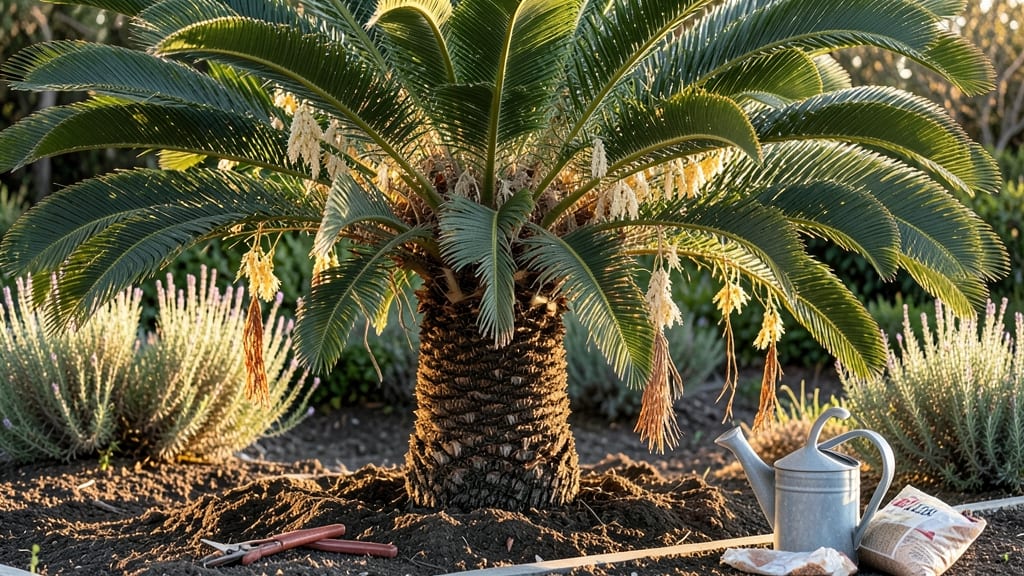
Creating a palm tree garden transforms your yard into a sun-drenched retreat where ocean breezes feel like home. ✨ I’ve designed these spaces in everything from small urban patios to sprawling backyard oases, and the key isn’t just picking the right palms—it’s layering them with complementary plants for year-round privacy and texture.
The right mix turns a simple planting into a lush, ever-changing backdrop that feels like a vacation every day.
The foundation starts with climate-matched palms—dwarf palms for tight spaces, wind-resistant varieties for coastal areas, and fast-growing types for quick privacy. You’ll also need well-draining soil (amend with sand or gravel if your yard’s heavy) and a sunny spot (at least 6 hours of direct light daily).
Add shrubs like bird of paradise or bamboo for mid-height layers, and ground covers like Mondo grass to tie everything together. The secret? Planting in odd-numbered clusters so they look natural, not planted.
By summer, you’ll have towering fronds rustling above fragrant jasmine or bougainvillea, while winter brings the deep green of palms against evergreen shrubs like boxwood. The best part? A well-planned palm garden reduces noise from streets, softens harsh sunlight, and creates a microclimate where other plants thrive too.
Think of it as a living screen that evolves with the seasons—no fence could ever look this good.
Works for coastal, desert, or subtropical climates, though cold-hardy varieties like windmill palms extend the range. Here’s how to pick the right mix for your zone and style—whether you want a bold tropical statement or a subtle Mediterranean vibe. Let’s get your palm paradise growing!
📚 In This Guide
- What you need
- Instructions
- Tips and common mistakes
- Wrapping up and next steps
What you need
- ● Palm trees: 3–10 mature trees (species like Areca, Washingtonia, or Phoenix dactylifera for variety). Choose based on climate (zones 8–11).
- ● Soil amendments: 50 lbs peat moss or coconut coir (for drainage)
- ● 20 lbs sand (per tree)
- ● 10 lbs compost or aged manure (per tree)
- ● Mulch: 2–3 cubic yards of pine bark or cypress mulch (to retain moisture and suppress weeds).
- ● Drip irrigation system: 50–100 ft of 1/4" tubing, emitters (1–2 per tree), and a timer controller.
- ● Digging tools: Shovel (round-point for planting)
- ● Matric hoe (for soil prep)
- ● Post-hole digger (if adding privacy screens or trellises)
- ● Safety gear: Work gloves, knee pads, and a dust mask (for soil amendments).
- ○ Optional but helpful: Soil pH test kit (to check acidity/alkalinity)
- ● Stakes & twine (for young trees)
- ● Pruning shears (for shaping)
- ● Check local zoning laws—some areas restrict palm tree heights or types.
- ● Test your soil’s drainage (palms hate soggy roots!).
- ● Plan for spread: Mature palms can grow 15–50 ft wide—space accordingly!
- ● Sunlight access: Ensure 6+ hours of direct sun daily (most palms thrive here).
Step-by-step instructions for designing your palm tree garden
Here's how to create a lush, private tropical retreat that thrives year-round.
🌱 Step 1: Select the Right Palm Species for Your Climate
Start by choosing palms suited to your hardiness zone—this determines whether your garden survives winter or thrives as an evergreen. For colder climates, Mexican fan palms or Needle palms handle 10-15°F without damage, while Coconut palms and Royal palms need 25°F+ protection. I always check the USDA zone map and match palms to my local winter lows.
Consider mature height too. A California fan palm can reach 30-50 feet, while Dwarf palmetto stays under 10 feet—critical for small yards. Group taller species toward the back and shorter ones in front to create natural privacy layers. I sketch a rough layout first to visualize the scale.
🪴 Step 2: Prepare Soil and Planting Spaces
Palms hate soggy roots, so amend native soil with 3-4 inches of coarse sand or perlite to improve drainage. Dig planting holes twice as wide as the root ball and 6 inches deeper to encourage root spread. I always loosen the sides of the hole with a shovel to prevent compaction.
For containers, use pots at least 18 inches deep with drainage holes. Fill the bottom third with gravel or broken pottery to prevent root rot. Mix your potting soil with 20% perlite or orchid bark—palms need fast-draining media. Test soil moisture before planting; it should feel like a wrung-out sponge.
☀️ Step 3: Plant with Proper Spacing for Mature Growth
Space palms 10-15 feet apart for medium-sized varieties, or 20+ feet for large species like Canary Island date palms. Digging too close leads to root competition and stunted growth. I mark planting spots with stakes and string to visualize the spacing before digging.
Place the palm slightly deeper than it grew in the nursery—up to 2 inches deeper—to stabilize the trunk. Backfill with native soil mixed with compost, firming gently around the roots. Water deeply to settle the soil, then let it dry slightly before the next watering. You'll know it's right when water drains through in 30 minutes.
💧 Step 4: Establish a Watering and Mulching Routine
Water newly planted palms 2-3 times per week until established, then taper to once every 10-14 days once roots spread. I check by pushing a finger 2 inches deep—if dry, it's time to water. Overwatering kills palms faster than drought.
Apply 3-4 inches of mulch (wood chips or palm leaf litter) around the base, keeping it 6 inches away from the trunk. This retains moisture, suppresses weeds, and mimics their natural habitat. Replenish mulch annually, and watch for yellowing fronds—a sign of overwatering or poor drainage.
✂️ Step 5: Prune and Maintain for Long-Term Health
Remove only dead or yellow fronds—never more than 1/3 of the crown at once. I use sterilized pruners to cut 6 inches above the frond base, avoiding the trunk. This prevents disease and keeps the palm looking tidy without stressing it.
Fertilize twice yearly with a palm-specific fertilizer (high in potassium and magnesium) in early spring and fall. You'll see new fronds emerging within 4-6 weeks—that's your signal the plant is thriving. Monitor for pests like palm weevils (look for sawdust-like frass at the base) and treat immediately with systemic insecticide.
Tips & tricks for perfect palm tree garden design
A few strategic moves will transform your tropical escape from good to breathtakingly lush.
Climate Matching: Don't just match palms to your zone—consider microclimates within your yard. The north side of your property might experience 5°F colder temperatures than the south side. I always plant Needle palms on north-facing walls where they'll see that 10-15°F threshold more consistently, while Royal palms get the 25°F+ protection of a south-facing patio.
Soil Science: The 3-4 inches of sand or perlite recommendation is non-negotiable, but here's the secret: mix in 1 cup of Epsom salt per planting hole for magnesium boost. Palms are heavy feeders, and this gives them an immediate nutrient kick. For containers, I add 1/4 cup of slow-release palm fertilizer to the planting mix—this prevents nutrient burnout during the critical first year.
Planting Depth: That 2 inches deeper recommendation isn't just about stability—it's about creating a stronger root system. I make the hole 3 inches deeper than specified, then mound the backfill soil in the center before placing the palm. This creates a natural "root collar" that encourages downward growth, which is especially important for Dwarf palmetto varieties that mature under 10 feet but need robust support.
Watering Wisdom: The 30-minute drainage test after planting is your best friend, but here's what to watch for: if water pools on the surface after 30 minutes, you need more sand in your mix. I've seen palms drown in "well-draining" soil that was actually too fine. For established palms, I water deeply once every 10-14 days rather than shallowly more often—this trains roots to grow deeper and more resilient.
Pro Tips for Palm Tree Garden
- A few strategic moves will transform your tropical escape from good to breathtakingly lush.
- Climate Matching: Don't just match palms to your zone—consider microclimates within your yard.
- Soil Science: The 3-4 inches of sand or perlite recommendation is non-negotiable, but here's the secret: mix in 1 cup of Epsom salt per planting hole for magnesium boost.
Frequently asked questions
Got questions about creating your dream palm tree garden? You’re in the right place! Here are answers to the most common queries—from planning to maintenance—so you can dive into your tropical escape with confidence.
How much space do I need for a palm tree garden?
A single palm tree typically needs 10–20 feet of space to thrive, depending on the species. For a lush garden, plan for 3–5 trees per 100 square feet, spacing them 6–10 feet apart. Dwarf varieties (like Pyramidalis) work well in smaller yards, while tall palms (like Canary Island) require broader clearance. Always check mature height/width specs!
When is the best time to plant palm trees?
The ideal planting window is spring or early fall when temperatures are mild (60–80°F). Avoid extreme heat or frost—palms are tropical and hate cold snaps! In warmer climates, plant year-round, but water deeply for the first 2–3 months. Pro tip: Plant during overcast days to reduce transplant shock.
Can I mix palm trees with other plants for privacy?
Pair palms with fast-growing shrubs (like Murraya paniculata or Nandina) for layered privacy. For height, add Bamboo or Arborvitae behind palms. Avoid competing plants (e.g., deep-rooted oaks) that steal moisture. Tip: Use ground covers (e.g., Asparagus fern) to fill gaps and reduce weeds.
How do I protect my palm trees from pests or diseases?
Palms are generally low-maintenance, but watch for palm weevils, Thrips, or Fusarium wilt. Prevent pests with:
- Regularly inspect fronds for brown tips or holes.
- Apply neem oil or insecticidal soap early.
- Keep soil well-draining to avoid fungal issues.
What’s the best way to maintain a palm tree garden long-term?
Keep your garden thriving with these low-effort tips:
- Water deeply 1–2x/week (more in summer), but avoid soggy soil.
- Fertilize 2–3x/year with a palm-specific formula (high in potassium).
- Remove dead fronds to prevent pests and improve airflow.
- Mulch 3–4 inches deep with wood chips to retain moisture.
Wrapping up and next steps
Creating a palm tree garden is more than just a landscaping project—it’s an investment in year-round beauty, privacy, and a serene escape. With the right materials, thoughtful planning, and a touch of tropical charm, you can transform your outdoor space into a lush, inviting oasis that thrives in any season.
Whether you’re a DIY enthusiast or a design novice, the key is to start small, stay consistent, and let nature do the rest!
Ready to bring your vision to life? Sketch your dream layout today, gather your supplies, and take the first step toward crafting your own tropical paradise. 🌴✨ Your future self (and your neighbors!) will thank you.