
Tools
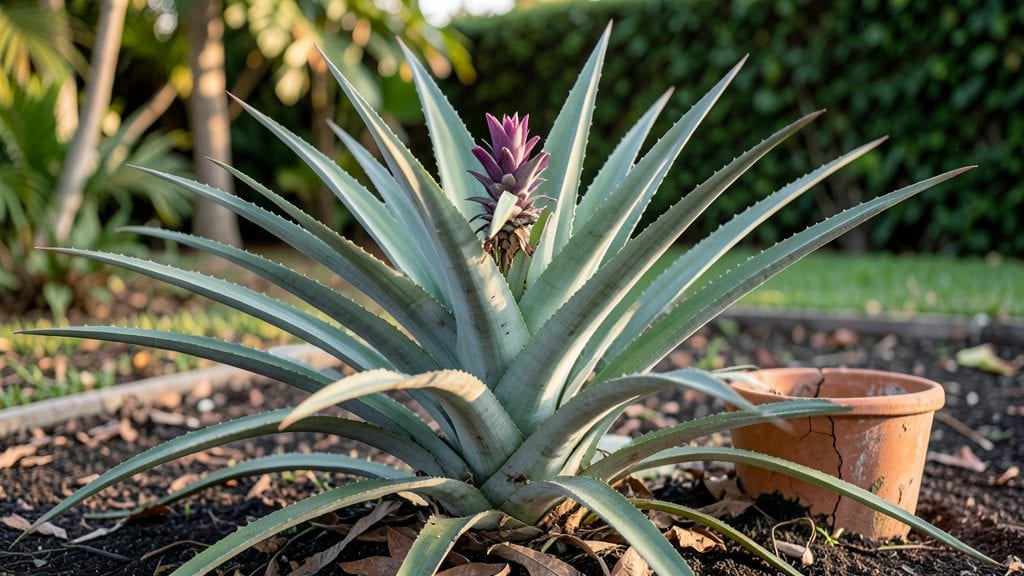
Growing pineapple in your garden turns summer afternoons into tropical escapes. 🌱 I’ve watched these spiky plants go from curious houseguests to productive fruit producers, and the process is simpler than you’d think—even in non-tropical zones with the right care.
The key isn’t just heat; it’s patience and mimicking their natural rainforest conditions at home.
You’ll need a well-draining mix of potting soil and perlite, a container at least 12 inches deep, and a spot that gets 6+ hours of sunlight daily—even shade-loving varieties need bright light to fruit.
Pineapples thrive in 70-85°F ranges but can handle brief dips below freezing if protected, making them surprisingly adaptable for warm-weather gardeners.
By year two, you’ll see those signature pineapple-shaped crowns form, followed by sweet, tangy fruit that tastes nothing like store-bought. The real magic? Each leaf base can root into a new plant, giving you an endless supply of tropical greenery and future harvests.
No greenhouse needed—just consistent warmth and a little extra humidity.
Whether you’re growing in containers on a patio or tucked into a sheltered garden bed, this guide covers the exact steps to turn your pineapple into a year-round producer—no tropical vacation required. Let’s get those pups planted!
📚 In This Guide
- What you need
- Instructions
- Tips and common mistakes
- Wrapping up and next steps
What you need
- ● Pineapple plant: 1 fresh pineapple (for slips) or
- ● 1 pre-germinated pineapple slip (from a nursery)
- ● Well-draining potting mix: 5–10 gallons (depending on container size)
- ● Large container or garden bed: For containers: 5-gallon bucket or larger (with drainage holes)
- ● For in-ground: Full sun spot with loose, sandy soil (pH 4.5–6.5)
- ● Slow-release fertilizer: Balanced 10-10-10 or citrus-specific blend (1–2 tbsp per plant)
- ● Pruning shears or knife: For harvesting slips or trimming leaves
- ● Grow lights (for indoor starts or low-light climates)
- ● Mulch (pine bark or straw to retain moisture)
- ● pH testing kit (to monitor soil acidity)
- ● Spray bottle (for misting young plants)
- ● Support stake (if growing in windy areas)
Step-by-Step guide to planting and growing pineapples in your garden
Here’s how to turn your backyard into a tropical oasis with pineapples—just follow these precise steps.
🌱 Step 1: Select and Prepare Your Pineapple Plant
Start with a healthy, ripe pineapple from the grocery store. Look for one with a green, leafy crown that feels firm and fresh. Cut the crown off cleanly with a sharp knife, leaving about 2 inches of stem attached. Remove any excess fruit or browned leaves to expose fresh green growth.
Let the crown dry in a warm, shaded spot for 2-3 days. This prevents rot when you plant it. You’ll know it’s ready when the cut stem looks slightly calloused and the leaves feel crisp.
🪴 Step 2: Plant the Crown in Well-Draining Soil
Choose a 6-inch deep pot or a sunny garden spot with well-draining soil. Mix 2 parts potting mix with 1 part perlite or coarse sand to improve drainage—pineapples hate soggy roots. Fill the container or hole with this mix, leaving 1 inch of space at the top.
Plant the crown 1 inch deep, ensuring the base sits just below the soil line. Gently firm the soil around the stem to keep it upright. Water lightly until the soil feels moist but not waterlogged.
☀️ Step 3: Provide Warmth, Light, and Consistent Care
Pineapples thrive in full sun (6+ hours daily) and warmth (70-90°F). If growing in a pot, place it in a sunny window or under a grow light. In cooler climates, move pots indoors during winter or grow them in a greenhouse.
Water once a week, letting the soil dry completely between waterings. Overwatering causes root rot, so check the soil—it should feel dry 1-2 inches down before watering again. Fertilize lightly with a balanced liquid fertilizer (10-10-10) every 4-6 weeks during growing season.
⏰ Step 4: Encourage Fruit Development with Patience
Pineapple plants take 18-24 months to mature and produce fruit. You’ll know it’s ready when the leaves turn yellow and the plant develops a small, green fruit at the base. If grown in pots, they may take slightly longer.
Once fruit forms, reduce watering slightly to prevent splitting. Harvest by twisting gently—when it releases easily, it’s ripe. Enjoy fresh or share with neighbors!
✂️ Step 5: Propagate and Maintain for Year-Round Growth
After harvesting, the plant may die back, but you can propagate new plants from the pups (offsets) that grow at the base. Gently twist them off and replant in fresh soil. This keeps your pineapple garden thriving indefinitely.
In colder climates, bring pots indoors before frost. With proper care, your pineapple plant can live for years, producing fruit season after season.
Tips & tricks for perfect pineapple growth in your garden
Growing pineapples at home is entirely doable—here are the game-changing insights that’ll help you avoid common pitfalls and maximize your tropical harvest.
Selection Tip: The crown you choose makes all the difference. Look for a pineapple with a vibrant green crown that’s still attached to the fruit—this indicates the plant is healthy and ready to propagate. The stem should feel sturdy when you gently tug it, not brittle. I’ve found that organic pineapples often have more robust crowns because they’re less likely to be treated with preservatives that can weaken the plant.
Drying Secret: Those 2-3 days of drying in Step 1 aren’t just about preventing rot—they’re critical for establishing a protective callus that prevents disease. Place your crown in a warm, shaded spot where it gets good airflow, like a windowsill or under a fan. If you’re impatient and plant it too soon, you risk fungal infections that can kill your plant before it even takes root. Trust me on this: the extra patience pays off.
Soil Strategy: Pineapples despise soggy roots, so that 2:1 ratio of potting mix to perlite/sand is non-negotiable. If you’re planting in garden soil, amend it with coarse sand or gravel to improve drainage. I’ve seen pineapple plants thrive in containers with drainage holes, but if you’re using a pot without them, add a layer of pebbles at the bottom to create a drainage barrier. Overwatering is the #1 killer of pineapple plants—always let the soil dry completely between waterings.
Lighting Hack: While pineapples need 6+ hours of full sun daily, they can adapt to partial shade if you’re in a hot climate. In cooler regions, supplement with a grow light for 12-14 hours per day during winter. I use a simple LED grow bulb on a timer—it’s cost-effective and extends the growing season significantly. The key is maintaining that 70-90°F temperature range; if your plant gets too cold, it’ll go dormant and stop producing fruit.
Pro Tips for Pineapple In Garden
- Growing pineapples at home is entirely doable—here are the game-changing insights that’ll help you avoid common pitfalls and maximize your tropical harvest.
- Selection Tip: The crown you choose makes all the difference.
- Drying Secret: Those 2-3 days of drying in Step 1 aren’t just about preventing rot—they’re critical for establishing a protective callus that prevents disease.
Frequently asked questions
Got questions about growing pineapples in your garden? You’re not alone! Here are some of the most common queries—and their answers—to help you cultivate this tropical gem with confidence.
Can pineapples grow in colder climates?
Pineapples thrive in USDA zones 10–12, but don’t worry—you can still grow them in cooler areas! Use containers and bring them indoors during winter (below 50°F). Alternatively, grow them under grow lights in a greenhouse or sunny indoor space. Just ensure they get plenty of warmth and humidity.
How long does it take for a pineapple plant to bear fruit?
Patience is key! A pineapple plant typically takes 18–36 months to produce fruit from the time you plant the crown. Factors like sunlight, soil quality, and care can speed up or slow down this process. With proper care, you might see your first pineapple in about 2–3 years.
What’s the best way to propagate a pineapple plant?
Start with the crown (the leafy top) of a store-bought pineapple. Let it dry for 1–2 days, then trim the base and place it in water or moist soil. Roots should appear in 2–4 weeks. Alternatively, use slips (side shoots) from mature plants for faster growth.
Why are my pineapple leaves turning brown or yellow?
Brown or yellow leaves usually signal overwatering, underwatering, or pests. Check the soil—it should stay slightly moist but not soggy. Spider mites or mealybugs can also cause discoloration. Treat with neem oil or insecticidal soap if pests are the culprit. Ensure your plant gets 6+ hours of sunlight daily too!
Are there pineapple alternatives for cooler gardens?
If pineapples are too tricky for your climate, try these tropical-friendly alternatives:
- Guava – Thrives in warmer zones, produces sweet fruit.
- Passionfruit – Hardy in zones 8–11, loves trellises.
- Banana plants – Fast-growing, though not edible in colder areas.
- Citrus (like Meyer lemons) – More cold-tolerant than pineapples.
Wrapping up and next steps
Growing pineapples in your garden is a rewarding adventure that brings a taste of the tropics right to your doorstep! 🌱 With the right conditions—warmth, well-draining soil, and a little patience—you can enjoy fresh, homegrown pineapples year-round.
Whether you’re a seasoned gardener or just starting, this tropical fruit is a fun and flavorful addition to any backyard.
Ready to take the next step? Start small—plant a few slips or a single pineapple top—and let your garden thrive with this unique, delicious crop. Happy planting! 🌟