
Tools
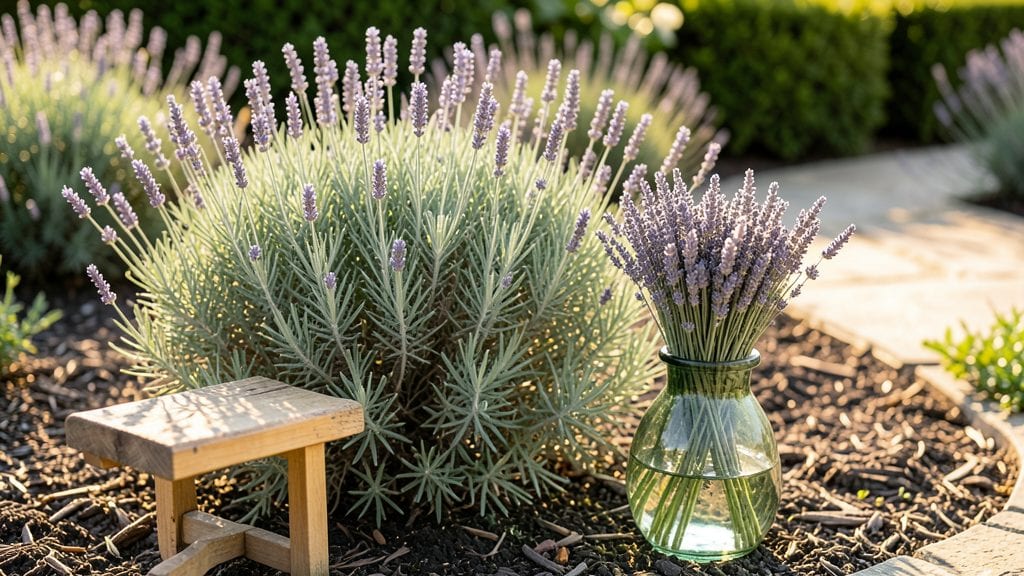
A scented garden turns every stroll into a sensory escape, where the air hums with lavender at dusk and roses perfume the morning breeze. 🌿 I learned the hard way that scent isn't just about planting pretty flowers—it's about layering them like a perfume, where each plant contributes its unique note at the right time.
My first attempt was a disaster: too much jasmine smothered the roses, and the herbs got lost in the shade. Now, I design for fragrance cycles, blending early bloomers with late-season stars so the garden smells amazing from spring through frost.
The secret lies in strategic placement and companion planting. Tall, fragrant shrubs like lilacs and gardenias anchor the back, while low-growing thyme and mint spill over edges where you brush past them.
Herbs like rosemary and lemon balm thrive in containers near seating areas, releasing their citrusy scents when you reach for them. Even in small spaces, this layered approach works—just swap shrubs for dwarf varieties and use vertical planters to maximize scent impact without sacrificing square footage.
By summer's end, you'll have a garden that doesn't just look stunning but feels like a living perfume. The air will be thick with the sweetness of peonies at dawn, the herbal sharpness of sage at noon, and the velvety warmth of evening jasmine as daylight fades.
The best part? Maintenance stays simple once you understand each plant's scent peak and care needs—no more guessing or overcrowding.
Whether you're working with full sun or dappled shade, this approach adapts. For shady spots, try sweet woodruff, lungwort, and hellebores—their delicate scents prove you don't need sunlight to create a fragrant haven.
The key is observing when each plant releases its best aroma, then arranging them so their scent cycles overlap seamlessly. Let's build yours step by step.
📚 In This Guide
- What you need
- Instructions
- Tips and common mistakes
- Wrapping up and next steps
What you need
- ● Fragrant plants (5–10 varieties): Lavender (10–15 plants) – drought-tolerant, thrives in full sun
- ● Jasmine (3–5 climbing vines) – needs trellis support, partial shade
- ● Rose bushes (2–3 varieties) – choose disease-resistant types like 'David Austin' roses
- ● Lemon balm (5–7 plants) – spreads easily, great for borders
- ● Mint (3–5 plants) – plant in containers to control spread
- ● Sweet alyssum (2–3 packs of seeds) – fast-growing, annual filler
- ● Soil amendments (per 10 sq ft): Compost (1–2 bags) – improves drainage and fertility
- ● Perlite or sand (1 small bag) – for sandy soil areas
- ● Mulch (5–10 bags) – pine bark or straw to retain moisture and suppress weeds
- ● Organic fertilizer (slow-release, 10–15 lbs) – look for rose-specific or all-purpose blends
- ● Watering can or hose with spray nozzle – gentle watering preserves delicate blooms
- ● Garden tools: Trowel (1) – for transplanting small plants
- ● Pruners (1 pair) – sterilized, sharp blades for clean cuts
- ● Garden gloves (1 pair) – protects hands from thorns and soil
- ● Measuring tape (1) – for spacing plants correctly
- ○ Optional but helpful: Trellis or arbor (1–2) – for climbing jasmine or roses
- ● Wind chimes or solar-powered lights (2–4) – adds ambiance to your fragrant oasis
- ● Essential oil diffuser (1) – for indoor/outdoor scent blending
- ● Rain gauge (1) – tracks moisture for precise watering
- ● Prerequisites: Sunlight assessment – 6+ hours of sun for most fragrant plants
- ○ Soil test kit (optional) – checks pH and nutrient levels
- ● Local climate knowledge – choose plants suited to your hardiness zone
Step-by-Step instructions for creating a scented garden
Here’s how to layer fragrance into your garden so every season brings new aromas.
🌱 Step 1: Plan Your Fragrant Layers by Season
Start by sketching your garden space and dividing it into four layers: ground cover, mid-height plants, shrubs, and tall accents. Each layer should include plants that bloom or emit scent at different times. For example, winter-scented plants like daphne or winter jasmine should anchor the base, while spring bloomers like jasmine or lilac can fill mid-height spots.
I like to group plants by their peak fragrance periods—early spring, late spring, summer, and fall—so there’s always something aromatic. Label each section with the plant names and bloom times to keep track. This ensures no scent gap between seasons, and you’ll always have a fragrant focal point.
🌿 Step 2: Prepare the Soil for Scented Plants
Fragrant plants thrive in well-draining, nutrient-rich soil with a slightly acidic to neutral pH. Amend your existing soil with 2-3 inches of compost and mix in 1 part peat moss or coconut coir to improve drainage. For heavier clay soil, add sand or perlite to prevent waterlogging, which can stunt growth and dull fragrance.
Work the amendments into the top 12 inches of soil using a garden fork or tiller. Avoid compacting the soil—fragrant plants, especially those with delicate roots like lavender or roses, need loose, airy soil to develop strong root systems. Test the soil moisture by squeezing a handful; it should hold together but not feel soggy.
☀️ Step 3: Plant for Maximum Scent Release
Place fragrant plants where you’ll brush past them often—near pathways, seating areas, or entryways. Roses, gardenias, and mock orange release their scent most intensely in the late afternoon, so position them where you’ll linger in the evening. For night-scented varieties like night-blooming jasmine or evening primrose, plant them near windows or patios for a nocturnal fragrance experience.
Space plants according to their mature size—3-4 feet apart for shrubs, 2-3 feet for perennials, and 1-2 feet for ground covers. Overcrowding reduces airflow, which can lead to fungal issues and weaker scent production. Mulch with 2-3 inches of organic mulch (like shredded bark or straw) to retain moisture and suppress weeds while keeping roots cool.
💧 Step 4: Water and Maintain for Peak Fragrance
Water deeply once a week, aiming for 1-1.5 inches of water per session, but adjust based on rainfall. Most fragrant plants prefer consistent moisture but hate soggy roots. Check soil moisture by sticking your finger 1 inch deep; if it’s dry, water again. Avoid wetting the foliage of plants like lavender or roses to prevent mildew, which can dull their scent.
Fertilize lightly in early spring with a balanced, slow-release fertilizer (like 10-10-10) to encourage lush growth without overpowering the natural fragrance. Prune spent blooms regularly to redirect energy into new growth and scent production. For woody shrubs like mock orange or daphne, prune immediately after flowering to maintain shape and fragrance.
✂️ Step 5: Extend the Scented Season with Care
To keep your garden fragrant year-round, incorporate evergreen plants like sweet box or dwarf boxwood, which release subtle aromas even in winter. In fall, add winter-scented plants like winter daphne or sweet olive to bridge the gap until spring. Deadhead annuals like jasmine or sweet alyssum to encourage continuous blooming and scent.
Protect tender plants from harsh winds, which can strip petals and reduce fragrance. Use windbreaks or plant them near fences and walls for natural shelter. Finally, rotate plants every few years to prevent soil depletion and reinvigorate scent production. A well-maintained scented garden becomes a living perfume, evolving with each season.
Tips & tricks for perfect scented garden design
A few strategic moves will transform your garden into a year-round fragrant sanctuary.
Seasonal Layering Strategy: In Step 1, when planning your seasonal layers, I recommend adding a fifth "transition zone" between seasons—plant winter daphne and sweet olive near spring bloomers like jasmine to create a seamless scent bridge. This ensures no fragrance gap when one season fades into another. Think of it as your garden's aromatic safety net.
Soil Science: For Step 2, don't just amend the top 12 inches of soil—consider adding a thin layer of biochar (about 1 inch) mixed into your compost. This porous material improves drainage while retaining nutrients, which is especially helpful for delicate-rooted plants like lavender and roses. The key is to keep that soil loose and airy, just like the instructions say.
Scent Placement Pro: When following Step 3's placement advice, I've found that positioning night-scented plants like evening primrose within 3 feet of seating areas maximizes their impact. The scent carries beautifully on still summer nights, creating an almost spa-like atmosphere. And for daytime fragrance, place roses where afternoon breezes will carry their aroma toward your patio.
Maintenance Shortcuts: In Step 4, I've developed a simple watering trick: use a rain gauge to measure your weekly 1-1.5 inches of water, but add a layer of mulch right after watering. This helps retain moisture while preventing evaporation, so you might only need to water every 10 days in hot weather instead of weekly. Just check that 1-inch soil moisture rule first!
Pro Tips for The Scented Garden
- A few strategic moves will transform your garden into a year-round fragrant sanctuary.
- This ensures no fragrance gap when one season fades into another.
- Soil Science: For Step 2, don't just amend the top 12 inches of soil—consider adding a thin layer of biochar (about 1 inch) mixed into your compost.
Frequently asked questions
Got questions about creating your own scented garden? You're not alone!
Here are some of the most common queries—plus practical answers to help you craft a fragrant oasis that blooms with beauty (and delightful aromas) all year round.
What’s the best time of year to plant a scented garden?
The ideal time depends on your climate, but spring (after the last frost) and early fall are the sweet spots. Spring lets you start with perennials and annuals, while fall gives plants time to establish roots before winter. For tropical or heat-loving plants, wait until soil temps are consistently above 60°F (15°C). Pro tip: Check your local frost dates—many fragrant blooms (like lavender or jasmine) thrive with a head start!
How do I keep my scented garden smelling fresh all season?
Fragrance fades when plants dry out or get stressed. Water deeply but infrequently (aim for 1–1.5 inches per week), mulch to retain moisture, and prune regularly to encourage new growth. Deadhead spent blooms to redirect energy to fragrant flowers. Bonus: Add a few companion plants like thyme or rosemary—they repel pests and boost scent!
Can I use containers for a scented garden, or do I need a big yard?
Containers are perfect for patios, balconies, or small spaces. Choose well-draining pots (terracotta or fabric grow bags work great) and pair plants with complementary fragrances—like jasmine + gardenia or lavender + rosemary. Just ensure containers are at least 12 inches deep for root growth. Space-saver hack: Use vertical planters or hanging baskets to maximize scent in tight areas!
Will a scented garden attract bees or pests? How do I balance fragrance and ecosystem health?
Most fragrant plants are bee magnets (good news for pollinators!), but some pests like aphids or spider mites may visit. To strike a balance: Plant pest-repelling herbs (basil, mint, or marigolds) nearby, avoid over-fertilizing (which attracts bugs), and opt for native plants—they’re hardier and support local wildlife. Win-win: Your garden stays fragrant and buzzing with life!
How do I protect my scented garden in winter?
Cold-hardy plants (like winter jasmine, hellebore, or boxwood) need minimal care, but tender varieties (e.g., gardenia, sweet olive) may need help. Mulch heavily (3–4 inches) to insulate roots, wrap containers in burlap, and group plants together for shared warmth. Winter prep tip: Trim back dead foliage in early spring—new growth often smells even sweeter!
What’s the easiest low-maintenance scented plant for beginners?
Start with lavender—it’s drought-tolerant, pest-resistant, and thrives in full sun. Other beginner-friendly picks: rosemary, mint, or lemon thyme (all fragrant and useful in cooking!). For blooms, sweet alyssum or dianthus offer minimal fuss with big rewards. Remember: Less water = more scent!
Wrapping up and next steps
Creating The Scented Garden is all about layering fragrance, color, and life into your outdoor space—no green thumb required! 🌸 From evergreen shrubs to seasonal blooms, every plant plays a role in crafting a sensory escape that evolves with the seasons.
Whether you’re a beginner or a seasoned gardener, the key is to start small, experiment fearlessly, and let nature do the rest.
Ready to transform your garden into a fragrant paradise? Pick one plant from this guide, grab your tools, and begin planting today! Your future self—and your nose—will thank you. 🌿✨