
Landscaping
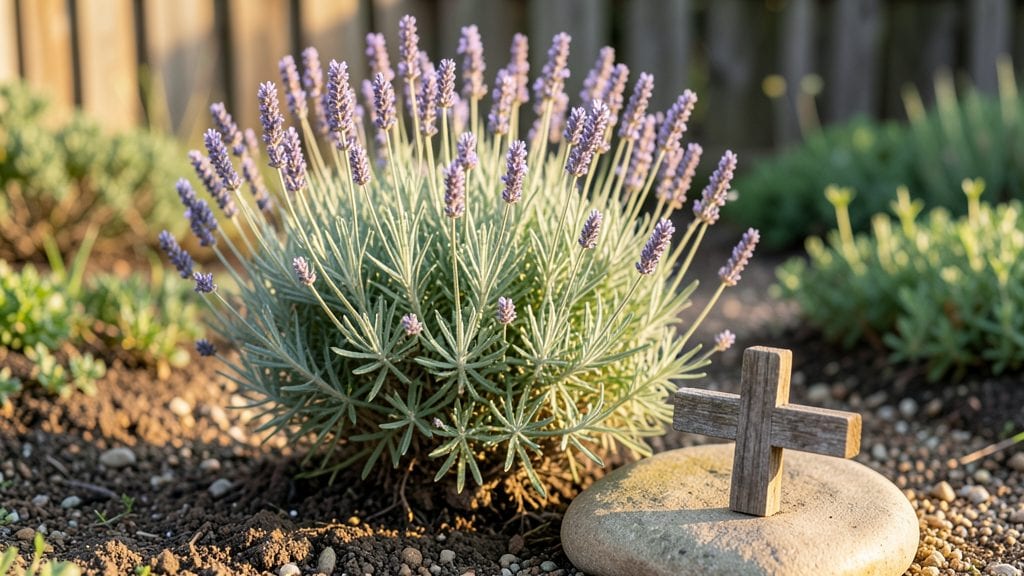
A prayer garden plan transforms ordinary space into a living sanctuary where quiet reflection meets natural beauty. I designed mine after realizing how much peace came from simply sitting among lavender and peace lilies—it became my personal retreat.
The key isn't complexity but intention: every plant and path should invite stillness, whether through fragrance, texture, or symbolic meaning.
Start with a focal point—a simple stone bench, a small fountain, or even a smooth river rock altar. Surround it with low-maintenance plants that thrive year-round: lavender for its calming scent, hostas for their lush foliage, and native wildflowers that attract butterflies.
Even a small urban space can work with container gardens or vertical elements like trellises draped with ivy.
You'll create a space that feels alive with purpose—where the rustle of leaves becomes prayer, and the scent of blooms deepens meditation. The beauty isn't just in the final layout but in the moments of quiet that unfold there. Let's bring this sacred serenity to your corner of the world.
This works for any climate or space, from a backyard corner to a balcony nook. The only requirement is your intention to make it special. Begin with what speaks to your soul, and let the garden grow from there.
📚 In This Guide
- What you need
- Instructions
- Tips and common mistakes
- Wrapping up and next steps
What you need
- ● Soil & Mulch: Topsoil (2–4 cubic yards, depending on garden size)
- ● Organic mulch (e.g., cedar chips or pine straw, 2–3 bags)
- ● Plants & Flora: Sacred plants (e.g., lavender, rosemary, or prayer plants—3–5 per variety)
- ● Native shrubs or small trees (e.g., olive, fig, or boxwood—1–2 per type)
- ● Perennials for year-round color (e.g., hydrangeas, salvia, or coneflowers—5–10 plants)
- ● Pathways & Seating: Gravel or stepping stones (10–20 stones, depending on layout)
- ● Wooden or stone benches (1–2, depending on space)
- ● Spiritual Elements: Wind chimes or singing bowls (1–2 for ambiance)
- ○ Prayer flags or wind socks (optional but meaningful!)
- ● Small fountain or birdbath (for soothing sounds)
- ● Lighting: Solar-powered path lights (4–6 for evening illumination)
- ● Shovel and spade (for digging and planting)
- ● Garden trowel (for precision planting)
- ● Wheelbarrow (for transporting soil/mulch)
- ● Pruners (for trimming plants)
- ● Measuring tape and stakes (for layout planning)
- ● Gloves and knee pads (for comfort)
- ● Hose with spray nozzle (for watering)
- ● Decorative stones or pebbles (for borders or accents)
- ● Custom wooden sign or plaque (to mark the space)
- ● Outdoor rug or prayer mat (for seating)
- ● Herb garden (e.g., basil, mint, or chamomile for tea)
- ● Bird feeder or bee hotel (to attract wildlife)
Step-by-Step instructions for designing a prayer garden
Creating a prayer garden is about blending nature's beauty with spiritual intention. Let's design a peaceful space that nurtures reflection and connection.
Choose a Quiet, Sunlit Location
Select a spot that receives at least 6 hours of sunlight daily, ideally near a window or outdoor area where you can sit comfortably. I like to test locations at different times of day—morning light feels calming, while afternoon sun offers warmth for contemplation. Avoid areas with heavy foot traffic or loud noises, as the goal is tranquility.
Measure the space to ensure it can accommodate your vision. A 4-foot by 4-foot area is perfect for a small prayer garden, while larger spaces can be expanded. Mark the boundaries with temporary stakes if needed, and visualize how elements will flow together. This is where your garden's soul begins to take shape.
Prepare the Soil for Nurturing Growth
Remove any grass, weeds, or debris from the area using a garden fork or trowel. Loosen the soil to a depth of 6 inches to improve drainage and root growth. If your soil feels compacted or clay-heavy, mix in 2 inches of compost to enrich it naturally. This step ensures plants thrive without competition for nutrients.
Smooth the soil with your hands or a rake, creating a level surface for planting. A slight slope toward the center can help with water drainage during rain. Here’s where patience pays off—taking time to prepare the soil sets the foundation for a garden that feels intentional and sacred.
Plant Sacred and Symbolic Elements
Begin by planting a central focal point, such as a small tree, shrub, or flowering plant like lavender or roses. These represent life, growth, and renewal. Surround it with low-growing plants like thyme, mint, or sedum, which symbolize peace and protection. For a touch of color, add perennials like coneflowers or daisies—their blooms invite joy and celebration.
Incorporate elements with spiritual significance, such as a stone path for meditation or a small fountain for the soothing sound of water. If space allows, include a bench or seating area where you can sit quietly. Arrange plants in odd-numbered groupings (3, 5, or 7) for balance and harmony. This step is where your garden’s personality truly emerges.
Add Pathways and Decorative Touches
Create a winding path using gravel, stepping stones, or mulch to guide visitors through the space. A curved path encourages a slower, more reflective pace. For a touch of elegance, line the path with small solar lights or lanterns to illuminate the garden in the evening. These not only enhance beauty but also create a safe, inviting atmosphere after dark.
Incorporate decorative elements like wind chimes, bird feeders, or a small cross or prayer symbol to personalize the space. These details make the garden feel uniquely yours while reinforcing its spiritual purpose. Avoid overcrowding—leave room for quiet moments and the natural rhythm of the seasons.
Maintain and Nurture Your Sacred Space
Water plants deeply once a week, adjusting for rainfall to keep the soil moist but not soggy. Mulch around plants with 2-3 inches of organic material to retain moisture and suppress weeds. Prune flowers and foliage regularly to encourage healthy growth and prevent overcrowding. This ongoing care ensures your garden remains a vibrant, welcoming space year-round.
Seasonally, refresh the garden by adding new plants, clearing fallen leaves, or updating decorations. In winter, consider adding evergreens or dried flowers for texture and color. A prayer garden thrives on intention—visit it often, tend to it with care, and let it become a place of renewal and peace.
Tips & tricks for perfect prayer garden design
A few thoughtful strategies will help transform your prayer garden into a truly sacred space that nurtures both body and spirit.
Location Matters: When selecting your 6-hour sunlit spot in Step 1, consider the time of day when you'll most frequently use the space. Morning sunlight creates a peaceful atmosphere for early meditation, while afternoon sun offers warmth for evening reflection. I've found that positioning the garden near a window allows indoor-outdoor connection during inclement weather.
Soil Preparation Secret: The 6-inch soil loosening in Step 2 is crucial for root health, but don't overlook the importance of testing your soil's pH first. Most prayer garden plants prefer slightly acidic to neutral soil (pH 6.0-7.0). If your soil tests outside this range, you can adjust it with lime (to raise pH) or sulfur (to lower pH) before adding compost. This small step prevents future plant stress and ensures your sacred elements thrive.
Symbolic Plant Arrangement: In Step 3, when arranging your central focal point and surrounding plants, remember that odd-numbered groupings create natural balance. For example, place your central lavender or rose surrounded by three thyme plants and five coneflowers. This arrangement not only looks pleasing but also reflects the spiritual principle of harmony found in nature's patterns.
Seasonal Adaptation Strategy: The once-weekly watering guideline in Step 5 works well during growing seasons, but winter care requires adjustment. In colder months, reduce watering to every 10-14 days and always water in the morning to prevent freezing. Consider adding a 2-3 inch layer of mulch in late fall to insulate plant roots and protect against temperature fluctuations.
Pro Tips for Prayer Garden Plans
- A few thoughtful strategies will help transform your prayer garden into a truly sacred space that nurtures both body and spirit.
- Location Matters: When selecting your 6-hour sunlit spot in Step 1, consider the time of day when you'll most frequently use the space.
- Soil Preparation Secret: The 6-inch soil loosening in Step 2 is crucial for root health, but don't overlook the importance of testing your soil's pH first.
Frequently asked questions
Got questions about creating your own prayer garden? You’re not alone—many people wonder how to start, what to include, and how to keep it thriving. Here are some of the most common questions (and answers!) to help you design a space that feels truly sacred.
What’s the best time of year to start building a prayer garden?
The best time depends on your climate! In mild regions, you can plant anytime, but spring or early fall are ideal for cooler temperatures and easier soil work. If you’re in a harsh winter zone, focus on planning and hardscaping (like paths or seating) in fall, then plant perennials in spring. Pro tip: Start small—even a single bench and a few plants can create a sacred space while you expand!
Do I need a religious symbol or statue to make it a prayer garden?
Not at all! A prayer garden is about intentionality, not dogma. Many people include crosses, Buddhas, or mezuzahs, but others use natural elements like wind chimes, labyrinths, or even a simple wooden plaque with a quote. The key is what feels meaningful to you. Try this: Place a smooth stone or a handwritten prayer note as a focal point instead.
How do I keep my prayer garden low-maintenance?
Choose drought-tolerant plants like lavender, rosemary, or sedum to reduce watering. Use mulch to suppress weeds and retain moisture. For seating, opt for weather-resistant materials like stone or metal. Bonus hack: Group plants with similar water needs together to simplify care. A 5-minute daily check (weeding, watering) keeps it serene without overwhelming you.
Can I create a prayer garden in a small space, like a balcony or patio?
Even a window box or 4’x4’ area can become sacred with the right elements. Use vertical gardens (hanging plants, trellises) to maximize space. Add a small altar (a tray with candles, crystals, or a book) and a comfy cushion. Inspiration: Mini Zen gardens or container herb gardens work beautifully for contemplation.
What if my garden gets overrun with weeds or pests?
Weeds and pests are normal—prevention is key! Use landscape fabric under mulch to block weeds, and plant native species that pests avoid. For troubleshooting: Hand-pull weeds early (they’re easier to remove when small), and use neem oil spray for pests. Remember: Even "imperfect" gardens hold beauty and purpose.
Still unsure? Start with one feature—like a peaceful path or a single tree—and build from there. Your prayer garden will grow with your intentions!
Wrapping up and next steps
Creating a prayer garden is more than just landscaping—it’s an act of love, intention, and peace. Whether you’re designing a small corner for quiet reflection or a sprawling sanctuary for community gatherings, your space will bloom with meaning and beauty year-round. 🌿✨
Now that you’re inspired and equipped with the right prayer garden plans, take the next step: sketch your vision, gather your tools, and let nature guide you.
Every shovel of soil and every planted seed is a prayer in motion—your garden is waiting for you to bring it to life!