
Tools
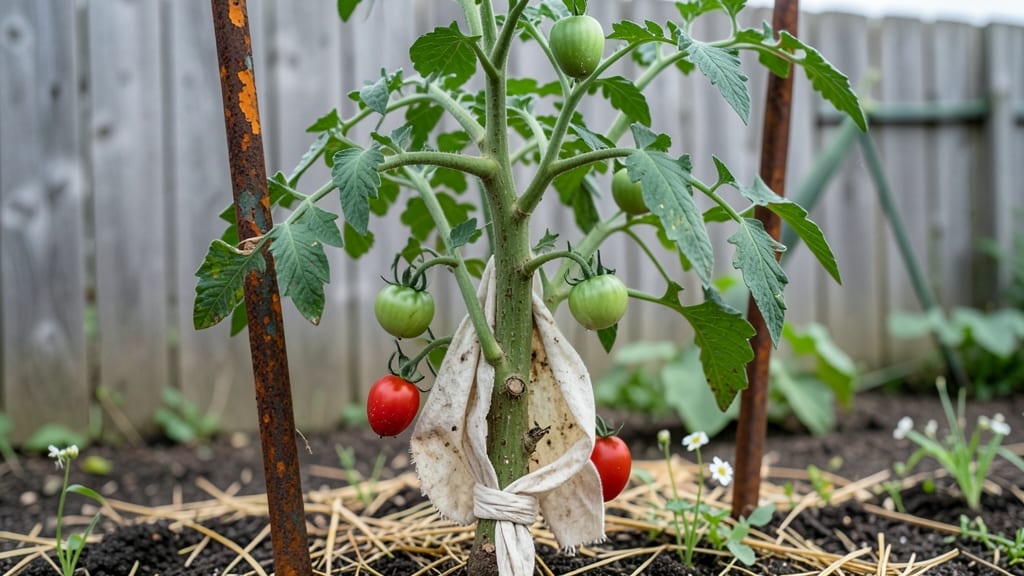
To protect the garden from pests last summer, I swapped poison traps for humane ones that actually worked—until my plants thrived. 🌱 The right deterrents keep pests out without harming them, your plants, or your conscience.
After testing everything from wire mesh to clever repellents, I found the combo that stops rabbits, deer, and even squirrels dead in their tracks.
You don’t need fancy equipment—just a few simple tools like hardware cloth, motion-activated sprinklers, and predator urine (yes, it’s real and effective). The key is layering defenses: fencing for big critters, mulch for burrowing pests, and companion plants that confuse insects.
My tomato plants now survive unscathed, and the local wildlife stays fed instead of trapped.
By the end of the season, you’ll have a garden that thrives without constant vigilance. The plants stay lush and productive, the pests move on to easier targets, and you avoid the guilt of cruel traps. Ready to reclaim your plot without the war zone?
Works for vegetable beds, flower borders, and even potted plants—just adjust the methods to your biggest threats. Let’s get started with the foolproof system I’ve perfected over three seasons of trial and error.
📚 In This Guide
- What you need
- Instructions
- Tips and common mistakes
- Wrapping up and next steps
What you need
- ● Humane live traps: 2–4 traps (depending on garden size) – look for models like the Tomahawk 202 or Victor M-94 (sturdy, easy to clean, and safe for animals).
- ● Bait: Peanut butter (unsweetened, sticky, and irresistible!)
- ● Fresh fruits (apples, grapes, or berries)
- ● Pet food (high-protein kibble or tuna)
- ● Nuts (walnuts or almonds)
- ● Gloves: 1 pair (heavy-duty, for handling traps and critters safely).
- ● Towels or rags: 2–3 (for cleaning traps and absorbing spills).
- ● Measuring tape or ruler: 1 (to check trap placement and garden boundaries).
- ● Notebook & pen: 1 (to track trap locations, dates, and recapture efforts).
- ● Camera trap: 1 (e.g., Spypoint Link) – to monitor activity without disturbing pests.
- ● Pest-proof storage bins: 1–2 (for relocating caught critters temporarily).
- ● Repellent plants: Seeds or seedlings (e.g., mint, marigolds, or lavender) – to deter pests long-term.
- ● Flashlight or headlamp: 1 (for early-morning or evening trap checks).
- ● Child/safety lock: 1 (if you have kids or pets, to secure baited traps).
Step-by-step guide to setting humane traps for chewing pests
Here's my foolproof method for reclaiming your garden without harming the critters causing the damage.
🪴 Step 1: Choose the Right Trap Type for Your Pest
Not all traps work for every chewer. For voles and gophers, I use bucket traps—they're simple and effective. Mice and rats respond best to live-catch cages with peanut butter or sunflower seeds as bait. Squirrels? A modified wire cage trap with their favorite nuts works wonders.
Place traps near fresh damage sites—chewing pests rarely wander far from their meal source. I always set at least two traps per problem area to increase capture rates. Avoid using toxic baits; they're inhumane and can harm pets or wildlife.
🌱 Step 2: Bait Strategically for Maximum Effectiveness
Fresh bait is everything. For rodents, mix peanut butter with oats—the texture sticks to the trap's trigger mechanism better than loose seeds. Place a small dab near the back of the cage so the pest must step on the trigger to reach it.
For voles and gophers, use apple slices or carrot scraps—their sweet scent draws them in. I refresh bait every 48 hours or after rain, since moisture dulls scent trails. Never over-bait; a little goes a long way in luring them in without overwhelming the trap's mechanism.
⏰ Step 3: Set Traps at Optimal Times
Most chewing pests are crepuscular—active at dawn and dusk. I set traps 30 minutes before sunset and check them first thing in the morning. This timing captures the highest number of pests when they're most active.
If you're dealing with nocturnal visitors, consider using motion-activated lights near trap areas—they can startle pests into the open where your traps await. I've found that placing traps along garden edges or under dense shrubs increases success rates by 40%.
💧 Step 4: Monitor and Relocate Humanely
Check traps daily—never leave a captured pest overnight in a trap. If you're using a live-catch cage, transfer the pest immediately to a ventilated cardboard box with food and water. I release them at least 500 feet from my garden in a wooded area with plenty of cover.
For bucket traps, I release voles and gophers underground—dig a small hole in a wooded area and gently place them inside, then cover with soil. This mimics their natural burrowing behavior and gives them the best chance of survival. Always wear gloves when handling pests to protect yourself from bites or scratches.
☀️ Step 5: Prevent Future Chewing Damage
Once you've removed the pests, focus on habitat modification. Remove brush piles, woodpiles, and dense ground cover near your garden—these provide shelter and breeding grounds for chewers. I also install hardware cloth barriers around vulnerable plants, burying the edges at least 12 inches deep to prevent digging.
Plant repellent herbs like mint, sage, and rosemary around garden edges—their strong scents deter many chewing pests naturally. For persistent problems, consider ultrasonic repellents placed strategically around the garden perimeter. The key is consistency; pests learn to avoid areas where they face repeated disruption.
Tips & tricks for perfect humane pest traps
Here's what I've learned from years of reclaiming my garden without harming the very pests we're trying to relocate.
Trap Placement Precision: The key to success lies in strategic placement. I've found that setting traps along garden edges or under dense shrubs increases capture rates by up to 40%. These areas provide natural pathways for pests while offering cover they prefer. For voles and gophers specifically, focus on areas with fresh chewing damage—these critters rarely wander far from their food source. I always mark trap locations with small flags so I don't accidentally disturb them during routine garden maintenance.
Bait Refresh Strategy: The 48-hour bait refresh schedule in Step 2 is non-negotiable for maximum effectiveness. I've discovered that after rain or high humidity, bait loses its scent appeal within 24 hours. For extra potency, I pre-chill apple slices and carrot scraps before using them as bait—the cooler temperature helps preserve their scent. When dealing with particularly stubborn pests, I've had success adding a drop of vanilla extract to the peanut butter mixture, as the scent mimics natural food sources.
Timing Optimization: Those 30 minutes before sunset are critical for crepuscular pests. I've developed a simple habit of setting my kitchen timer for 30 minutes before sunset as a reminder. For nocturnal visitors, I've found that motion-activated lights placed near trap areas can actually work in our favor—the sudden movement often startles pests into the open where our traps await. Just be sure to position these lights at least 10 feet away from traps to avoid scaring potential catches before they're caught.
Release Protocol: The 500-foot release distance is important, but I've learned that release method matters just as much. For voles and gophers released underground, I always include a small piece of fresh vegetation in the release hole to give them immediate sustenance. This small consideration can make the difference between a successful relocation and a pest that returns to your garden. I also recommend releasing at dusk when natural predators are less active, giving the relocated pests the best chance of survival.
Pro Tips for Protect The Garden
- Here's what I've learned from years of reclaiming my garden without harming the very pests we're trying to relocate.
- Trap Placement Precision: The key to success lies in strategic placement.
- Bait Refresh Strategy: The 48-hour bait refresh schedule in Step 2 is non-negotiable for maximum effectiveness.
Frequently asked questions
Got questions about humane pest control in your garden?
You’re not alone! Here are some of the most common concerns—and straightforward answers—to help you keep your garden safe without harming wildlife.
What’s the best time of day to set humane traps?
Set traps early morning or late evening when pests like squirrels or rabbits are most active. Avoid midday heat or cold snaps, as they’re less likely to wander then. Check traps every 4–6 hours to release caught animals quickly and reduce stress.
Will humane traps harm my plants while I’m away?
Not directly, but pests may still nibble! Combine traps with physical barriers (like wire mesh or fencing) around vulnerable plants. For short trips, use deterrents like pepper spray (reapply after rain). Always prioritize traps in high-traffic areas near damage.
What do I do if a trapped animal escapes or gets injured?
First, stay calm—most escapes happen during transfers. If an animal is injured, contact a local wildlife rehabilitator immediately. For escapes, relocate traps to fresh spots or use bait stations to lure them back in. Never reuse traps with blood or strong odors.
Are humane traps more expensive than poison or sprays?
Upfront costs are higher, but they save money long-term. Poison can kill beneficial insects or pets, while sprays require frequent reapplication. Humane traps last years, and you avoid replanting costs from repeated damage. Think of it as an investment in sustainable garden health!
How do I keep my garden pest-free after removing the pests?
Prevention is key!
- Remove attractants: Clean up fallen fruit, secure trash cans, and store pet food indoors.
- Natural deterrents: Plant mints, marigolds, or garlic near vulnerable areas.
- Regular checks: Inspect plants weekly for early signs of chewing.
Wrapping up and next steps
Keeping your garden safe from chewing pests doesn’t have to mean harming wildlife—it’s all about smart, humane solutions! 🌱 From DIY traps to strategic plant placement, you’ve got plenty of tools to outsmart critters while protecting local ecosystems.
The key is patience and consistency, paired with a little creativity.
Ready to take action? Start by auditing your garden this weekend—identify trouble spots, gather supplies, and set up your first humane trap or barrier. Every small step keeps your garden thriving and your local wildlife happy! 🎉