
Tools
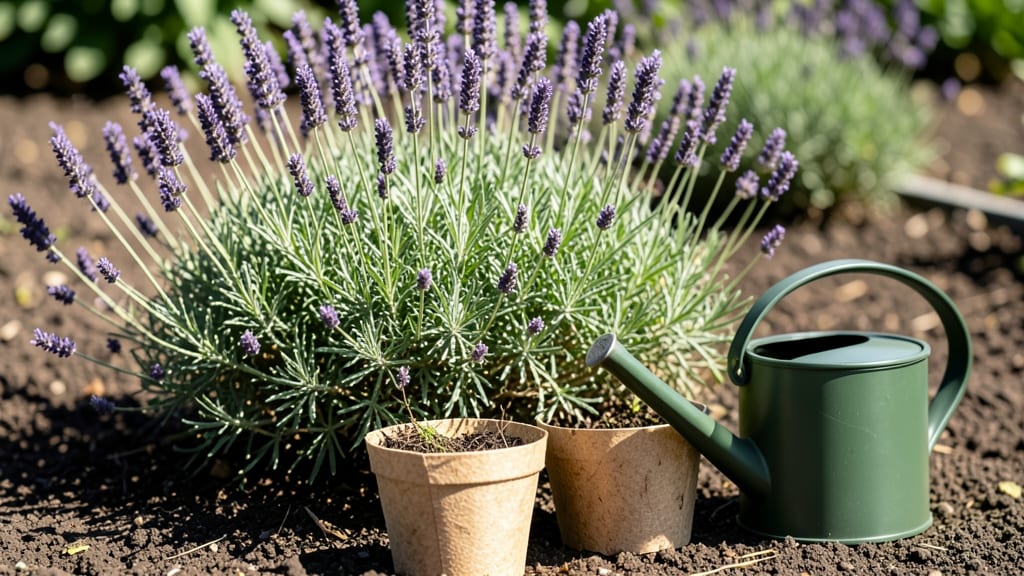
My sustainable garden supplies checklist starts with three game-changers: a durable bamboo shovel, coconut-fiber pots, and a compost bin made from reclaimed wood. These aren't just tools—they're the foundation of a garden that gives back as much as it grows.
I swapped plastic trays for seed-starting cubes last spring, and the difference in root health was shocking. The cubes break down naturally, so no digging them out later, and they hold moisture better than anything I've tried.
You'll save money long-term while cutting waste—my bamboo tools last twice as long as cheap metal ones, and the compost bin turns kitchen scraps into rich soil in just 3-4 months. The real win?
Your plants thrive on these materials because they mimic natural growing conditions. No more guessing about soil pH or nutrient burn from synthetic fertilizers. Plus, you're supporting small businesses when you buy locally sourced tools.
By the end of your first season, you'll notice healthier roots, fewer weeds (thanks to organic mulch), and a garden that feels alive in every sense.
The air smells cleaner, the soil stays loose, and you'll actually look forward to weeding because you know it's all going back into the system. This isn't just gardening—it's creating a closed-loop ecosystem where nothing goes to waste.
Works for any space, from urban balconies to half-acre plots. The key is starting small: pick one sustainable swap at a time, and let the rest follow naturally. Your garden—and the planet—will thank you.
📚 In This Guide
- What you need
- Instructions
- Tips and common mistakes
- Wrapping up and next steps
What you need
- ● Organic compost – 5–10 gallons (homemade or store-bought, certified OMRI-listed for organic gardening).
- ● Mulch (wood chips, straw, or leaves) – 2–3 cubic feet (local, untreated sources preferred).
- ● Seedlings or organic seeds – Choose heirloom or non-GMO varieties (start with 5–10 plants for beginners).
- ● Natural fertilizers – Fish emulsion, bone meal, or compost tea (1–2 gallons or as needed).
- ○ Rainwater collection system (optional but encouraged) – 5–20 gallon barrels (food-grade, with a fine mesh filter).
- ● Hand trowel (stainless steel or bamboo) – 1–2 units (ergonomic grip recommended).
- ● Pruners (bypass, sharp, and rust-resistant) – 1 pair (look for Fiskars or Felco models).
- ● Garden fork (heavy-duty, carbon steel) – 1 unit (for aerating soil).
- ● Watering can (copper or ceramic) – 3–5 gallon capacity (with a rose attachment).
- ● Compost bin (wooden or wire mesh) – 1–2 bins (3’x3’x3’ minimum size).
- ● Reusable fabric garden bags – 5–10 bags (for storing tools or harvesting).
- ● Solar-powered garden lights – 2–4 units (LED, low-voltage).
- ● Bee-friendly plant markers (bamboo or recycled wood) – 10–20 sticks (hand-carved or labeled).
- ● DIY seed starter kit – Biodegradable pots or egg cartons (for indoor seedlings).
- ● Upcycled containers (old tires, pallets, or buckets) – For raised beds or planters.
How to build a sustainable garden toolkit for long-term planting
Creating a garden that thrives while protecting the planet starts with the right tools. Here's how to assemble a practical, eco-conscious collection that lasts seasons.
Choose Long-Lasting, Non-Toxic Tools
Skip plastic and treated wood—opt for tools made from recycled aluminum, bamboo, or stainless steel. I always look for ergonomic handles wrapped in cork or rubberized grips to prevent blisters and last longer. A stainless steel pruning shears and bamboo-handled trowel become your workhorses, while a copper watering can adds durability and natural pest-deterrent properties.
Test tools by gripping them firmly—if they feel too heavy or awkward, they'll discourage regular use. A lightweight ergonomic hoe and compost fork made from recycled materials will make weeding and turning compost effortless. These tools reduce waste and perform better over time than cheap alternatives.
Invest in Reusable Containers and Growing Supplies
Replace disposable pots with clay or coconut fiber planters that break down naturally at the end of their life. I reuse 5-gallon buckets (cleaned thoroughly) for seed starting and transplanting—just drill drainage holes if they don’t have them. For raised beds, cedar or untreated wood frames last years without leaching chemicals into the soil.
Stock up on compostable plant markers made from wood or seed paper instead of plastic tags. These dissolve harmlessly and won’t clutter your garden. A solar-powered garden light eliminates the need for disposable batteries, while a manual compost aerator keeps your pile turning without electricity.
Set Up Water Conservation Tools
Install a rain barrel to collect runoff from downspouts—this gives you free, chemical-free water for irrigation. I connect it to a drip irrigation system with adjustable emitters to deliver water directly to roots, cutting waste by up to 50%. A swivel spray nozzle on your hose lets you water gently without erosion or runoff.
For container gardens, self-watering planters with reservoirs reduce overwatering. Place a moisture meter in your garden beds to check soil levels before watering—this prevents both drought stress and soggy roots. Even a simple mulch mat around plants retains moisture and blocks weeds, cutting water use by 30%.
Prioritize Soil Health with Natural Amendments
Swap synthetic fertilizers for compost, worm castings, and organic mulch. I keep a compost bin (or tumbler) on-site to recycle kitchen scraps and yard waste into nutrient-rich soil. A biochar bucket adds porous carbon to improve drainage and retain moisture in heavy clay soils.
Use plant-based seed starters instead of peat pots—these dissolve in soil, eliminating transplant shock. For pest control, neem oil spray and garlic-chili pepper mix replace toxic chemicals. These amendments build fertile soil over time, reducing the need for purchased inputs.
Maintain and Store Tools Properly
Clean tools after each use with mild soap and water, then dry thoroughly to prevent rust. Store them in a shaded, ventilated shed or on a wall-mounted rack to avoid damage. I label each tool with a custom wooden tag so I can identify them by touch—no more lost pruners or mystery trowels.
At the end of the season, sharpen blades with a file or whetstone and oil metal parts to extend their life. A tool sharpening kit keeps pruners and shears cutting cleanly for years. By treating tools with care, you’ll reduce waste and save money long-term.
Tips & tricks for perfect sustainable garden supplies
Building a toolkit that lasts seasons—and keeps your garden thriving—requires a few thoughtful strategies. Here's how to make the most of your eco-friendly investments without breaking the bank or sacrificing quality.
Material Matters: When selecting tools in Step 1, pay special attention to the handles. Cork or rubberized grips not only prevent blisters but also provide better shock absorption than plastic. I've found that stainless steel pruning shears with ergonomic handles last twice as long as cheaper alternatives. For the bamboo-handled trowel, look for one with a reinforced edge—this prevents splintering after heavy use, especially when working with dense soil.
Container Hack: In Step 2, those 5-gallon buckets can do double duty beyond seed starting. Clean them thoroughly and use them for organizing garden tools, storing compost, or even as temporary watering stations. For the clay or coconut fiber planters, soak them in water for 10-15 minutes before use—this prevents cracking when exposed to sudden temperature changes. This small step can extend their lifespan by years.
Water Wisdom: The rain barrel setup in Step 3 is game-changing, but here's the key: Place it on a sturdy stand or elevated platform to prevent stagnant water and mosquito breeding. For the drip irrigation system, adjust the emitters to deliver water at a rate of about 1 gallon per hour—this matches most plants' absorption capacity and prevents runoff. The moisture meter becomes your best friend during droughts; aim to water when the reading drops below 30% moisture in most soil types.
Seasonal Care: At the end of each season in Step 5, don't just store your tools—give them a proper retirement. Apply a thin coat of food-safe mineral oil to metal blades and store them in a breathable cotton bag. This prevents rust and makes them easier to find next season. For wooden handles, wipe them down with a mix of equal parts vinegar and water to remove any sap or dirt buildup that could attract pests during storage.
Pro Tips for Sustainable Garden Supplies
- Building a toolkit that lasts seasons—and keeps your garden thriving—requires a few thoughtful strategies.
- Material Matters: When selecting tools in Step 1, pay special attention to the handles.
- Container Hack: In Step 2, those 5-gallon buckets can do double duty beyond seed starting.
Frequently asked questions
Got questions about sustainable garden supplies? You’re not alone! Here are some of the most common queries—and their eco-friendly answers—to help you garden smarter, not harder.
What are the best sustainable alternatives to plastic garden pots?
Opt for biodegradable or reusable materials like coconut coir pots, terracotta, or recycled plastic containers. For long-term use, try clay or ceramic pots—they’re durable and compostable at the end of their life. Avoid single-use plastic pots, which often end up in landfills.
When is the best time to switch to sustainable garden tools?
Now is always the best time! Start by replacing disposable or non-recyclable tools (like plastic plant markers or single-use gloves) first. If you’re buying new, prioritize durable, repairable, or upcycled tools. Gradually phase out older items as they wear out—no need for a full overhaul overnight!
Are sustainable garden supplies more expensive upfront?
Some may cost a bit more initially, but they save money long-term. For example, a stainless steel trowel lasts decades vs. a cheap plastic one that breaks in a season. Look for bulk discounts, secondhand tools, or DIY solutions (like repurposed wood for raised beds) to cut costs while staying eco-friendly.
How do I maintain sustainable tools to extend their lifespan?
Clean wooden handles with food-safe oils (like linseed oil) to prevent cracking, and store metal tools in a dry place to avoid rust. Sharpen blades regularly with a manual file instead of disposable razors. Repair over replace—many tools can be fixed with basic know-how or a local handyman!
Can I make my own sustainable garden supplies at home?
Try these DIY swaps:
- Seedling markers: Use toothpicks or twigs labeled with a pencil.
- Plant ties: Braid old fabric strips or use stripes of an old T-shirt.
- Compost bins: Repurpose a wooden crate or plastic bin with holes drilled in the lid.
Get creative—upcycling reduces waste and adds a personal touch to your garden!
Wrapping up and next steps
Creating a sustainable garden isn’t just about growing plants—it’s about nurturing the planet while you nurture your green space. By choosing eco-friendly tools, compostable materials, and water-saving solutions, you’re reducing waste, conserving resources, and setting the stage for a thriving, year-round garden.
Every small step—from reusable pots to organic fertilizers—adds up to a greener future.
Ready to take the next step? Start by swapping out just one non-sustainable item in your garden today—your plants (and the Earth!) will thank you. 🌱💚