
Tools
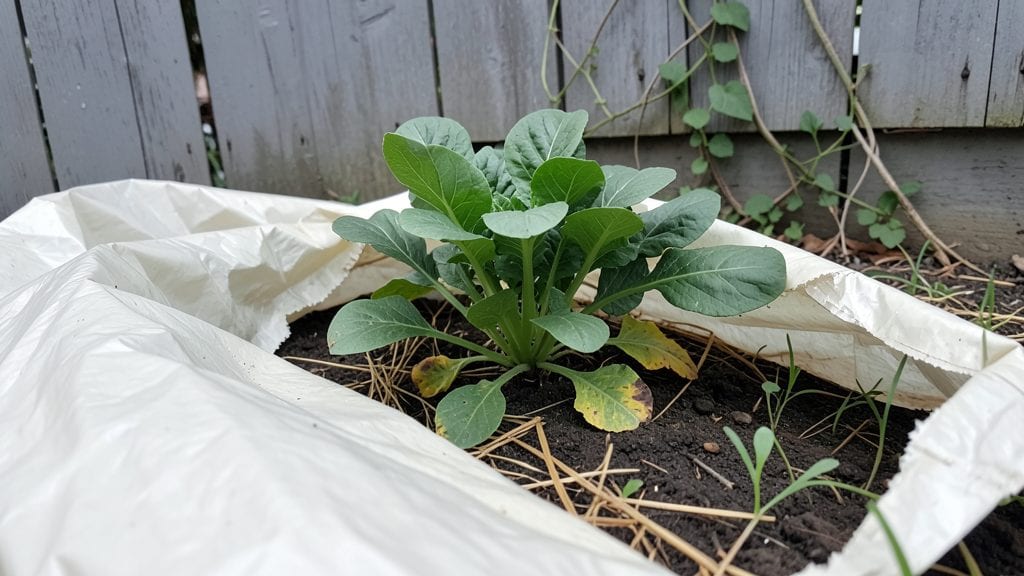
A PVC garden cover changed how I protect my plants from late frosts, relentless sun, and curious critters—without the rust or fading of metal or fabric. I’ve used them to extend growing seasons, shield delicate seedlings, and even build lightweight trellises that last for years.
The best part? No more wrestling with heavy frames or replacing rotted wood every few seasons.
You’ll need just a few supplies: PVC pipes in ½-inch or ¾-inch diameters, corner connectors, end caps, and a sturdy cover material like shade cloth or frost blanket.
Assembly takes about an hour for a basic frame, and you can customize sizes for raised beds, cold frames, or even vertical gardens. My favorite setup is a hoop-style cover for tomatoes—it’s easy to slide on and off as temperatures shift.
The results speak for themselves: tender greens survive winter snaps, peppers stay productive through heatwaves, and my herbs never bolt from too much sun. You’ll notice healthier plants, fewer pests, and a garden that keeps growing when others give up.
Plus, the covers store flat when not in use, so they don’t take up space.
Works for everything from small herb pots to full-size raised beds, and adapts to any climate. Whether you’re shielding seedlings in spring or extending fall harvests, these covers are the unsung hero of low-maintenance gardening. Let’s get yours set up!
📚 In This Guide
- What you need
- Instructions
- Tips and common mistakes
- Wrapping up and next steps
What you need
- ● PVC pipes: ½-inch or ¾-inch diameter (quantity depends on frame size—typically 10–20 pipes for a small cover).
- ● PVC connectors: 45° elbows (4–8), T-joints (2–4), and couplings (6–10) for frame assembly.
- ● PVC cover sheet: 1–2 sheets of corrugated PVC or polycarbonate (size matches your garden area; e.g., 4’x8’ for standard beds).
- ● Screws/staples: Galvanized or stainless steel (50–100 pieces) to secure the cover sheet.
- ● Weatherstripping: Self-adhesive foam tape (1–2 rolls) for sealing edges.
- ● Hacksaw or PVC cutter
- ● Drill/driver (with Phillips bit)
- ● Measuring tape
- ● Level (to ensure even framing)
- ● Pliers (for tight connections)
- ○ Optional: Staple gun (if using fabric mesh instead of solid sheets).
- ● Clear, flat workspace (garage or driveway works great!).
- ● Basic DIY skills (cutting PVC and assembling frames).
- ● Sunny or overcast day (avoid windy conditions for safety).
- ● Pro tip: Sketch a simple frame design first to estimate material needs! 💡
Step-by-Step instructions for building a PVC garden cover
This is the straightforward method I’ve used for years to protect plants from harsh weather while keeping costs low and materials durable.
Measure and Cut PVC Pipes for the Frame
Start by measuring your garden area. For a 4-foot by 6-foot raised bed, you’ll need four 6-foot vertical supports and two 4-foot horizontal beams for the top and bottom. Use a hacksaw or PVC cutter to trim each pipe to the exact length—measure twice to avoid mistakes. PVC pipes are lightweight, so you won’t need heavy-duty tools, but a clamp helps hold pieces steady while cutting.
Mark measurements with a permanent marker before cutting. If your garden has curves or irregular shapes, use flexible PVC connectors to adjust the frame without sacrificing stability. Test-fit the pieces before assembling to ensure they align properly.
Assemble the Frame Using PVC Connectors
Begin by attaching the vertical supports to the bottom horizontal beam using PVC T-connectors or elbow connectors, depending on your design. Tighten the connectors firmly by hand—no need for glue or screws at this stage. For extra stability, reinforce corners with 90-degree corner braces or additional connectors.
Once the base is secure, attach the top horizontal beam to complete the rectangle. Step back and check for squareness—if the frame looks uneven, adjust the connectors until it’s balanced. This frame will hold the cover material, so precision now prevents sagging later.
Attach the Cover Material to the Frame
Lay out your clear PVC sheeting or UV-resistant polycarbonate panels over the frame. For a 4-foot by 6-foot cover, you’ll need one 8-foot by 4-foot sheet to allow for overhang. Secure the edges with zip ties or PVC straps, starting at the corners and working your way inward to avoid wrinkles.
If using polycarbonate, ensure the ribbed side faces upward to maximize light diffusion while protecting plants. For larger gardens, overlap sheets slightly and seal seams with PVC-compatible silicone adhesive to prevent gaps where pests or rain could enter.
Add Adjustable Supports for Stability
To keep the cover from collapsing under snow or wind, add adjustable legs or stakes to the frame. Use PVC ground stakes driven into the soil at each corner, or attach collapsible metal legs to the vertical supports. Adjust the height so the cover sits 6–12 inches above plant tops—high enough for airflow but low enough to trap heat.
For windy areas, weigh down the edges with bricks or sandbags to prevent flapping. If your garden gets heavy snowfall, prop the cover at a slight angle (about 15 degrees) to let snow slide off instead of accumulating.
Test and Adjust for Seasonal Use
Before the first frost, place the cover over your plants and check for gaps. Adjust straps or connectors as needed to ensure a snug fit. In summer, prop the cover partially open during heatwaves to allow ventilation—just enough to prevent wilting while still shielding from intense sun.
Every 6 months, inspect the frame and cover for cracks or wear. Replace damaged PVC sheets immediately, as even small tears can let in pests. With proper care, a PVC garden cover lasts 5–10 years, far outlasting cheaper alternatives.
Tips & tricks for building a sturdy PVC garden cover
Building a garden cover that lasts requires attention to detail—here are the key strategies I’ve learned to ensure durability and effectiveness.
Precision in Step 1 is everything: When measuring your 4-foot by 6-foot frame, use a tape measure against a straight edge for accuracy. I’ve found that even a half-inch error in your 6-foot vertical supports can cause the frame to sag over time. If you’re working with irregular garden shapes, sketch a rough layout first to visualize how flexible connectors will fit before cutting any pipes. This simple step prevents costly mistakes during assembly.
Connector tightness matters in Step 2: While it’s tempting to rush through attaching the T-connectors, hand-tightening them firmly is critical. I’ve seen frames come apart during windstorms because connectors weren’t secured properly. For extra peace of mind, add a second connector at each corner—this creates a more stable structure without adding significant weight. Remember, this frame holds up to snow loads, so stability isn’t optional.
Material selection for Step 3 makes all the difference: Clear PVC sheeting is lightweight and affordable, but UV-resistant polycarbonate panels last significantly longer in direct sunlight. If you choose polycarbonate, invest in the ribbed variety—the ribs help diffuse light while maintaining strength. For either material, always cut sheets 12 inches larger than your frame dimensions to allow for proper overhang and secure fastening. This extra material prevents wind from lifting the edges during storms.
Seasonal adjustments in Step 5 extend your cover’s life: The 6-month inspection schedule is non-negotiable if you want your cover to last 5-10 years. Pay special attention to zip ties and PVC straps—they degrade faster than the frame itself. I recommend replacing all securing hardware annually, even if it looks intact. For snow-prone areas, consider adding removable cross-braces to prevent snow accumulation from creating too much weight on any single section.
Pro Tips for Pvc Garden Cover
- Building a garden cover that lasts requires attention to detail—here are the key strategies I’ve learned to ensure durability and effectiveness.
- Precision in Step 1 is everything: When measuring your 4-foot by 6-foot frame, use a tape measure against a straight edge for accuracy.
- Connector tightness matters in Step 2: While it’s tempting to rush through attaching the T-connectors, hand-tightening them firmly is critical.
Frequently asked questions
How long does a PVC garden cover last before needing replacement?
A high-quality PVC garden cover can last 5–10 years or longer, depending on exposure to UV rays, weather, and maintenance. Opt for UV-resistant PVC to extend its lifespan—some brands even come with warranties for added peace of mind. Regular cleaning (dust off debris, rinse with water) keeps it in top shape!
Can I use a PVC cover year-round, or should I remove it in winter?
Yes, you can use it year-round, but it’s not always necessary. In mild winters, the cover provides insulation and frost protection. However, in harsh freeze conditions (below 20°F/-7°C), remove it to prevent moisture buildup, which can lead to mold or plant rot. Always check for snow accumulation—too much weight can damage the frame!
What’s the best alternative if I don’t want to use PVC?
If PVC isn’t your style, consider these durable alternatives:
- Polycarbonate panels: Lighter, UV-resistant, and slightly more expensive but great for greenhouses.
- Fiberglass covers: Flexible, weather-resistant, and easy to cut to size.
- Row covers (floating fabric): Budget-friendly and reusable for seasonal protection.
- Metal hoop frames with shade cloth: Ideal for temporary setups.
My PVC cover is fogging up inside—how do I fix it?
Fogging happens when condensation traps moisture. To fix it:
- Ventilation: Add small vents or gaps at the bottom to let air circulate.
- Reduce humidity: Water plants early in the day so soil dries overnight.
- Use a dehumidifier (mini ones work for small spaces).
- Avoid overcrowding plants—give them space for airflow.
Is a PVC garden cover worth the investment for small gardens?
Even for small spaces, a PVC cover pays off by:
- Extending growing seasons (start plants earlier, harvest later).
- Protecting from pests, wind, and hail—no more lost crops!
- Reducing water needs by 30–50% (retains moisture).
- Reusability for years—cheaper than buying annual row covers.
Wrapping up and next steps
Transforming your garden into a year-round sanctuary is easier than ever with a durable PVC garden cover! 🌿 Whether you're protecting delicate plants from harsh weather, extending your growing season, or simply keeping pests at bay, PVC offers a low-maintenance, rust-proof, and fade-resistant solution.
Its lightweight yet sturdy design makes installation a breeze, ensuring your garden thrives without the hassle.
Ready to give your garden the care it deserves? Take the next step—measure your space, gather your materials, and start building your custom PVC cover today! Your plants (and future harvests) will thank you. 🌱✨