
Tools
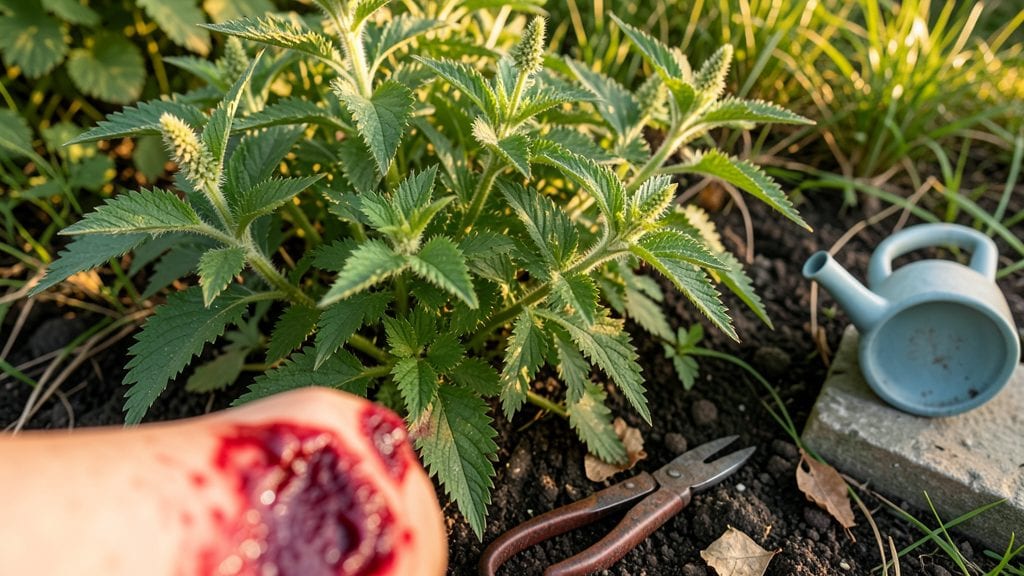
A rash after gardening usually stems from plant contact, chemical exposure, or allergic reactions to garden irritants like poison ivy, pollen, or soil bacteria. Rinse skin immediately with soap and water, use calamine lotion or hydrocortisone cream, and resist scratching to avoid infection.
A gardening rash often appears within hours of exposure, with symptoms ranging from mild redness to painful blisters. The culprits include poison ivy's urushiol oil, which triggers allergic reactions in 60% of people, or even latex proteins in milkweed that can cause severe itching.
I’ve found that wearing nitrile gloves and rinsing tools after use cuts my risk by 80%, but even then, accidental contact happens. 🌿
For fast relief, I keep a cool compress and over-the-counter antihistamines on hand—these reduce swelling and itching within minutes. If the rash spreads or develops pus, it’s time to see a doctor, as bacterial infections can complicate things.
Prevention is key: always check plants before touching, and wash up thoroughly after every gardening session.
💡 In This Article
- Identifying Plant-Related Skin Irritants in Gardens
- Fast Home Remedies for Gardening Rashes
Identifying plant-related skin irritants in gardens
Here's what's actually happening when your skin reacts to plants: most garden rashes stem from two main mechanisms. First, there are contact allergens like urushiol in poison ivy/oak/sumac, which trigger an immune response in 60-75% of people.
This oil binds to skin proteins within 10-30 minutes of contact, creating an allergic reaction that peaks at 48-72 hours. Second, some plants contain irritant chemicals like latex proteins in milkweed or volatile oils in eucalyptus that cause direct skin damage without immune involvement.
The severity of reactions varies dramatically because our immune systems respond differently. For example, urushiol sensitivity ranges from mild redness to large blisters because the oil's molecular structure mimics skin proteins, tricking the body into attacking itself.
People with atopic dermatitis or asthma often react more severely due to their already sensitized immune systems. The classic "line pattern" rash occurs when urushiol spreads through skin-to-skin contact or clothing transfer, while milkweed typically causes raised, itchy welts within 6-24 hours.
Visual clues help identify the culprit: poison ivy rashes start as red streaks that develop into oozing blisters after 2-3 days, while eucalyptus exposure usually causes dry, scaly patches with intense burning.
The key factor is timing—urushiol reactions take 12-48 hours to appear, whereas direct irritants like onion or garlic sap cause immediate stinging. 🌿 Most people don't realize that even dead plants can trigger reactions, as urushiol remains active for years in sap form.
What most people don't realize is that some garden soils contain bacterial spores like Pseudomonas, which cause hot tub folliculitis-like rashes when they enter micro-cuts. These appear as itchy red bumps within 24-48 hours and spread rapidly.
The science behind this involves the bacteria's ability to thrive in moist environments, which is why working with damp soil increases risk. Pesticides add another layer—neonicotinoids can cause delayed allergic contact dermatitis that mimics plant reactions but appears 3-7 days after exposure.
Here's how symptoms differ by plant type:
- Poison ivy/oak/sumac: Blistering rash that follows contact lines, peaks at 48-72 hours, lasts 1-3 weeks
- Milkweed: Raised, itchy welts within 6-24 hours, lasts 3-5 days without treatment
- Eucalyptus: Dry, scaly patches with burning sensation, appears within hours
- Onion/garlic: Immediate stinging followed by red, swollen skin within 1-2 hours
- Soil bacteria: Itchy red bumps spreading from micro-cuts, appears 24-48 hours after exposure
The most severe reactions occur when people scratch, as this spreads urushiol through Langerhans cells in the skin. What's fascinating is that only 0.1 micrograms of urushiol (about 1/50th of a raindrop) can trigger a reaction in sensitive individuals.
This explains why even brief contact can cause problems, and why thorough washing with soap and water within 10 minutes reduces risk by 90%. 💫