Advice
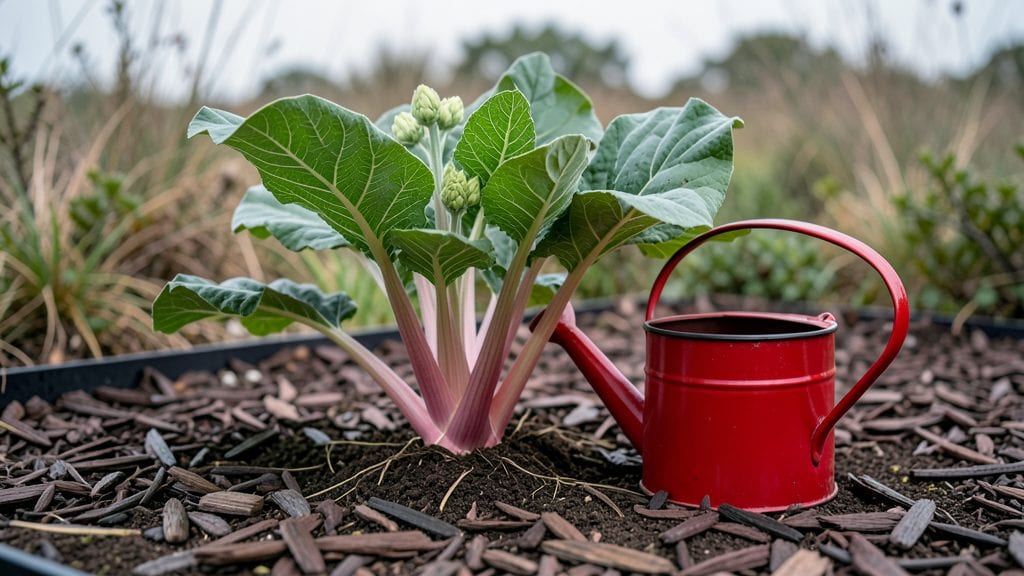
Here are the best rhubarb gardening tips to unlock those vibrant, grocery-store-beating stems—just follow my years of trial, error, and early-morning harvests for the juiciest rewards. stems thick and vibrant all season long.
Start with well-draining soil rich in organic matter, and give it full sun (at least 6 hours daily). Most beginners overwater or prune too early, which stunts growth—rhubarb thrives with deep, infrequent watering and waits until the third year before heavy harvesting.
The payoff? A plant that keeps producing for decades with minimal effort.
📚 In This Guide
- What you need
- Instructions
- Tips and common mistakes
- Wrapping up and next steps
What you need
- ● Rhubarb Crowns: 1–3 (choose ‘Victoria’ or ‘Strawberry’ varieties for best results).
- ● Well-draining soil: Mix of compost (50%), topsoil (30%), and sand/perlite (20%) for loose, fertile beds.
- ● Sunlight: Full sun (6+ hours/day) or partial shade (4–6 hours).
- ● Watering can/hose: With a gentle spray nozzle (rhubarb hates soggy roots!).
- ● Mulch: 2–3 inches of straw or wood chips to retain moisture.
- ● Garden gloves: Heavy-duty (rhubarb leaves are toxic—keep kids/pets away!).
- ● Pruners: Sharp, clean pair (sterilize with rubbing alcohol between cuts).
- ○ Stakes or trellis (optional but helpful): For tall varieties like ‘Champagne’.
- ● Soil pH tester: Aim for 6.0–6.8 (amend with lime or sulfur if needed).
- ● Organic fertilizer: Balanced 10-10-10 or compost tea (apply in early spring).
- ● Row cover: Frost cloth for young plants (protects from late frosts).
- ● Container pots: 12"+ deep (if growing in pots—use fabric grow bags for drainage).
- ● Harvest knife: For clean cuts (avoid tearing stems).
Step-by-Step instructions for planting and maintaining rhubarb
Here's how to establish a thriving rhubarb patch that delivers bold, tangy stems for years.
Select and Prepare the Planting Site
Rhubarb thrives in cool climates with full sun to partial shade, making it perfect for USDA zones 3-7. Choose a location with at least 6 hours of sunlight daily but with afternoon shade if you live in a hotter region. The soil should be well-draining, rich in organic matter, and slightly acidic to neutral (pH 6.0-7.0).
Before planting, loosen the soil to a depth of 12 inches using a garden fork. Amend the area with 3-4 inches of compost and mix in 1 cup of bone meal per planting hole to encourage strong root development. Rhubarb is a perennial, so invest time upfront for long-term success.
Plant Crowns at the Right Depth and Spacing
Plant rhubarb crowns in early spring, about 2-3 weeks before your last frost date. Dig a hole 12-18 inches deep and 18-24 inches wide—rhubarb’s thick roots need plenty of room to spread. Place the crown so the buds (eyes) are just below the soil surface, about 1-2 inches deep. This ensures they won’t dry out while still allowing new growth to emerge.
Space plants 3-4 feet apart in all directions. Crowding leads to competition for nutrients and increases disease risk. If planting multiple crowns, arrange them in a semi-circle or row for easier harvesting later. Water deeply after planting to settle the soil and encourage root establishment.
Water and Mulch for Optimal Growth
Rhubarb requires consistent moisture, especially during its first growing season. Water 1-2 inches per week, keeping the soil evenly damp but not waterlogged. You’ll know it’s right when the top 2 inches of soil feel slightly moist to the touch. Drought stress causes bitter stems, so prioritize watering during dry spells.
Apply a 3-inch layer of organic mulch (like straw or shredded leaves) around each plant to retain moisture, suppress weeds, and regulate soil temperature. Refresh the mulch annually in early spring as it breaks down. Avoid piling mulch against the crown—keep it 2-3 inches away to prevent rot.
Fertilize and Prune for Long-Term Productivity
Feed rhubarb in early spring with a balanced organic fertilizer (10-10-10) applied at a rate of 1 pound per 100 square feet. Avoid high-nitrogen fertilizers after the first year—they promote leafy growth at the expense of stem development. Instead, side-dress with compost or well-rotted manure in late summer to support root health.
Prune rhubarb carefully to encourage strong stems. In early spring, remove any dead or diseased leaves at the base. After harvesting, cut stems back to 2-3 inches above the ground to redirect energy into root growth. Never harvest more than one-third of the stalks in a season—this ensures the plant stores enough energy for next year.
Overwinter and Prepare for Year-Round Harvests
Rhubarb is hardy and requires minimal winter care, but protect young plants (under 2 years old) with a 4-6 inch layer of straw mulch before the first frost. This insulates the crown and prevents heaving. In zones 3-5, established plants benefit from a light covering of burlap or row fabric during extreme cold snaps to prevent winter dieback.
Harvest rhubarb in late spring, once stalks reach 10-12 inches tall and are at least ½ inch thick. Pull stems gently at the base—twisting can damage the crown. You’ll see new growth emerging from the center after each harvest, signaling it’s time to pick again. With proper care, a single rhubarb plant can produce for 10-15 years, making it a rewarding perennial addition.
Tips & tricks for perfect rhubarb planting and care
Rhubarb thrives when you understand its unique needs—here are the critical insights that separate a struggling patch from a bountiful harvest.
Soil Preparation is Everything: The 12-inch deep soil preparation in Step 1 isn't just about loosening—it's about creating an oxygen-rich environment for those thick roots. I've seen gardeners skip this step and end up with stunted plants after just two years. Use a soil test kit to verify your pH is between 6.0-7.0 before planting, as rhubarb is particularly sensitive to alkaline soils. If your soil tests high, amend with sulfur or peat moss before incorporating compost.
Planting Depth Matters More Than You Think: When placing those buds just 1-2 inches below soil level in Step 2, resist the urge to bury them deeper for "extra protection." Too much depth smothers the crown and prevents proper emergence. Instead, mound soil around the sides of the crown to create a natural barrier against wind while keeping the top exposed. This technique also helps prevent crown rot during heavy rains.
Watering Wisdom for Consistent Moisture: The 1-2 inches per week guideline in Step 3 is your target, but timing matters just as much. Water in the morning so leaves have time to dry before evening—this prevents fungal diseases that thrive in damp foliage. I've found that using a soaker hose buried 2 inches deep delivers moisture directly to the roots without wetting the leaves, which has dramatically reduced my rhubarb's susceptibility to leaf spot.
Winter Protection That Actually Works: That 4-6 inch straw mulch recommendation for young plants in Step 5 is non-negotiable in my experience. I've seen firsthand how a single winter without proper protection can set back a two-year-old plant by an entire growing season. For zones 3-5, add a layer of bubble wrap under the burlap for extra insulation—it creates an air pocket that maintains consistent temperatures without trapping excess moisture.
Pro Tips for Rhubarb Gardening Tips
- Rhubarb thrives when you understand its unique needs—here are the critical insights that separate a struggling patch ...
- Soil Preparation is Everything: The 12-inch deep soil preparation in Step 1 isn't just about loosening—it's about cre...
- Planting Depth Matters More Than You Think: When placing those buds just 1-2 inches below soil level in Step 2, resis...
Frequently asked questions
When is the best time to plant rhubarb?
Plant rhubarb crowns in early spring (as soon as the soil is workable) or early fall (4–6 weeks before frost). Avoid planting in summer heat, which stresses young roots. Choose a spot with full sun to partial shade—rhubarb tolerates both but thrives in cooler climates with consistent moisture.
How long does it take for rhubarb to produce stems?
Patience is key! Rhubarb is a perennial that takes 2–3 years to establish and yield harvestable stems. In the first year, focus on root development—skip harvesting entirely. By year two, you’ll see sparse stems, and by year three, a full harvest! Pro tip: Mulch heavily in winter to protect roots and speed up maturity.
Can I eat rhubarb leaves? (And what about the stems?)
Never eat the leaves!
They contain oxalic acid, which is toxic in large amounts. However, the stems are edible and packed with vitamin K and fiber. For safety, harvest stems when they’re 12–18 inches tall and at least ½-inch thick. Cut them at the base with a clean knife—never pull to avoid damaging the plant.
What pests or diseases should I watch for?
Rhubarb is generally low-maintenance, but keep an eye out for:
- Japanese beetles: Handpick them or use neem oil.
- Crown rot: Caused by poor drainage or overwatering. Ensure soil drains well and avoid soggy conditions.
- Aphids: Spray with soapy water if clusters appear on stems.
Can I grow rhubarb in containers or small spaces?
Rhubarb adapts well to containers (use a 12–18-inch deep pot) or small gardens. Just ensure the pot has drainage holes and use a well-draining potting mix. In containers, harvest sparingly the first year to avoid root stress. Bonus: Containers make it easy to move rhubarb if you need to adjust sunlight or protect it from pests.
How do I overwinter rhubarb in cold climates?
Rhubarb is hardy to USDA Zone 3, but a thick layer of mulch (6–8 inches) (straw, leaves, or wood chips) protects roots from freeze-thaw cycles. In extreme cold (below -20°F), add a layer of burlap or cardboard over the mulch. Spring tip: Remove mulch in early spring to let soil warm up—rhubarb starts growing early!
Wrapping up and next steps
Growing rhubarb is a rewarding journey—once you master the basics, you’ll enjoy bold, tangy stems for years with minimal effort! Remember to choose the right variety, prepare your soil, and protect your plants from pests and frost.
With patience and care, your rhubarb patch will thrive, offering a harvest that’s as satisfying as it is delicious.
Ready to take the next step? Start small—plant a few crowns this fall or early spring—and watch your garden transform into a rhubarb paradise. Happy gardening! 🌱✨