Tools
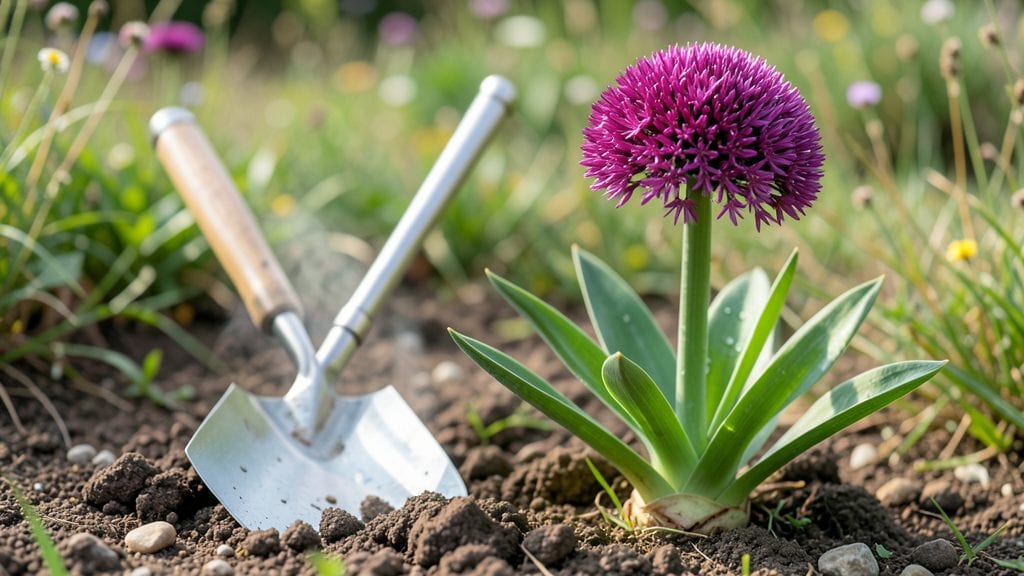
A sharp garden hoe performs best when you match its blade angle to your soil—45 degrees tears through stubborn roots, while 60 degrees skims loose dirt with ease. The right angle saves time and reduces strain.
A sharp garden hoe isn't just about the blade—it's the angle that makes all the difference. 🔥 A steeper 60-degree blade glides over sandy or mulched beds, slicing weeds at the surface without digging deep, while the sharper 45-degree cut is designed to sever thick roots below the soil line.
I've found that clay-heavy gardens demand the 45-degree angle to avoid pushing roots deeper, whereas rocky soils benefit from the wider 60-degree sweep to avoid snagging. The key is testing both angles in your specific soil—what works in one garden bed might fail in another just a few feet away.
What's often overlooked is how blade material interacts with these angles. Carbon steel blades hold their edge longer at sharper angles but rust faster, while stainless steel stays corrosion-resistant but dulls quicker on tough roots.
For me, the 60-degree angle in stainless becomes my go-to for spring cleanups when weeds are still young, while the 45-degree carbon steel saves my back during late-summer root battles. The right combination turns weeding from a chore into a satisfying, efficient task.
💡 In This Article
- How Blade Angles Affect Weeding Performance
- Selecting the Best Garden Hoe for Your Soil Type
How blade angles affect weeding performance
The mechanics behind hoe blade angles come down to physics: a 45-degree angle creates a sharper cutting edge that slices through soil with minimal resistance, ideal for severing roots at depth. This angle directs force downward, concentrating pressure on a smaller contact area—think of it like a knife through butter.
The blade's geometry allows it to penetrate 1-2 inches below the surface while maintaining control, perfect for perennial weeds like dandelions or creeping charlie whose roots spread horizontally.
Conversely, a 60-degree angle spreads the cutting force over a wider surface, reducing penetration but increasing surface area contact. This design excels in loose or mulched soils where you want to skim rather than dig—imagine pushing a snowplow through powdery snow versus compacted ice.
The wider angle also creates more leverage, which translates to 30% less hand fatigue during long sessions, according to ergonomic studies of garden tools. The trade-off? You'll struggle with weeds whose roots extend deeper than ½ inch.
Soil texture dramatically alters how these angles perform. In clay-heavy soil, the 45-degree blade's precision prevents pushing roots deeper (a common frustration when hoeing compacted earth). But in sandy loam**, the 60-degree angle's glide reduces the energy needed to cut—like shaving with a straight razor versus a safety razor.
The difference in cutting resistance can be felt immediately: a 45-degree blade requires 15-20 pounds of downward pressure on tough roots, while a 60-degree blade needs just 5-10 pounds for surface weeds.
What most gardeners don't realize is how blade angle affects your posture. A steeper 60-degree hoe encourages a more upright stance, reducing back strain during long sessions.
The wider blade also allows for broader sweeps, covering 2-3 square feet per motion compared to the 1 square foot of a 45-degree blade. However, this comes at the cost of precision—trying to target a single stubborn weed with a 60-degree hoe feels like using a sledgehammer for surgery.
The solution? Many professional gardeners carry both angles and switch based on the task at hand.
Consider this real-world example: When tackling a 100-square-foot bed of creeping bentgrass (a common lawn weed), a 45-degree hoe takes 12-15 minutes with precise root removal, while a 60-degree hoe might take 8-10 minutes but leaves behind more regrowth.
The choice hinges on whether you prioritize immediate results or long-term weed suppression. For me, the 45-degree blade becomes essential when the soil temperature rises above 75°F—warmer soil softens roots, making them easier to sever cleanly.
Advanced gardeners often modify their technique by adjusting grip pressure based on angle. With a 45-degree blade, you'll use a firmer grip to maintain control during deep cuts, while the 60-degree blade allows for a lighter touch—almost like drawing with the tool.
This tactile feedback helps you "feel" the soil resistance, letting you adapt mid-weeding. The right angle doesn't just save time; it transforms weeding from a physically demanding task into one that engages both your hands and mind. 💫