Tools
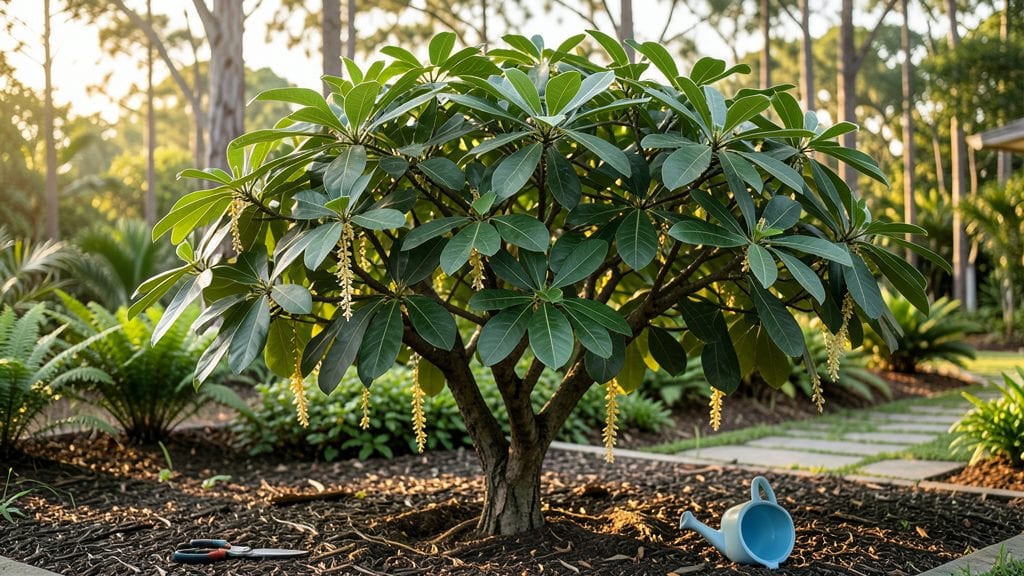
A Singapore tree garden isn’t just about plants—it’s about creating a lush, breathing canopy that feels like a slice of the jungle in your own space. 🌿 I’ve designed these gardens for friends in humid climates, and the key isn’t just picking tropical species—it’s layering them to mimic the natural forest understory.
The result? A cool, shaded retreat that thrives year-round, even in Singapore’s relentless heat.
The magic happens with three layers: towering Ficus or Pandanus at the top for shade, mid-height Bambusa or Alstonia for structure, and ground-hugging ferns or Dracaena to soften the edges.
Vertical gardening comes into play with trellises for climbing Muntingia or hanging baskets of orchids—every inch counts in urban spaces. Water features, like small ponds or bubbling fountains, add that signature Singaporean touch while keeping humidity in check.
What you end up with is a garden that’s cool to the touch, alive with birdsong, and visually stunning—think dappled sunlight filtering through glossy leaves and the occasional flash of bright flowers.
The best part? It’s designed to grow with minimal fuss once established, so you spend more time enjoying it than tending to it. Let’s make your space feel like a tropical escape.
This approach works for balconies, rooftops, or backyard plots—just scale the plants to fit. The principles stay the same: prioritize airflow, play with textures, and let the plants do the heavy lifting. Ready to transform your outdoor area into a Singapore-style sanctuary?
📚 In This Guide
- What you need
- Instructions
- Tips and common mistakes
- Wrapping up and next steps
What you need
- ● Native or tropical plants: 5–10 mature trees or shrubs (e.g., Ficus benjamina, Pandanus, or Syzygium malaccense—check local climate suitability).
- ● High-quality potting mix: 2–3 bags (well-draining, peat-free blend for tropical plants).
- ● Organic fertilizer: Slow-release granules (e.g., 10-10-10 NPK ratio) or liquid fertilizer for foliage plants.
- ● Mulch: Wood chips or bark mulch (1–2 cubic feet) to retain moisture and suppress weeds.
- ○ Drip irrigation system or hose: For consistent watering (optional but highly recommended for large gardens).
- ● Garden trowel & spade: For planting and soil prep.
- ● Pruning shears: Sharp, sterilized shears for trimming.
- ● Wheelbarrow or bucket: For transporting soil and plants.
- ● Measuring tape & stakes: To plan spacing (aim for 6–10 feet between trees).
- ● Gloves & knee pads: Comfort is key for larger projects!
- ● Shade cloth: 30–50% coverage for seedlings or sensitive plants.
- ● Soil pH test kit: Ensure your mix is slightly acidic (pH 5.5–6.5) for tropical species.
- ● Decorative elements: Stones, stepping stones, or solar-powered lights for ambiance.
- ● Plant supports: Stakes or cages for younger trees if needed.
Step-by-step instructions for designing a Singapore tree garden
Here’s how to craft a lush, climate-resilient tropical canopy that mirrors Singapore’s iconic green spaces.
🌱 Step 1: Select Climate-Adapted Tree Species
Choose fast-growing, drought-tolerant trees native to tropical regions like Singapore—think rain trees, frangipani, or gumbolimba. These species thrive in USDA Zones 10-12 and handle humidity, heat, and occasional dry spells. Avoid delicate ornamentals; opt for multi-trunk varieties to mimic natural forest structure. I always research local nurseries for container-grown saplings (3-5 feet tall) to skip the slow-growth phase.
Plant 4-6 trees per garden section to create a dense canopy within 2-3 years. Space them 12-15 feet apart to allow airflow and future growth. Check root zones—some tropical trees (like pohutukawa) have aggressive roots, so avoid planting near sidewalks or foundations. This ensures long-term stability without structural damage.
☀️ Step 2: Prepare Soil and Planting Sites
Amend native soil with 3-4 inches of organic compost and a slow-release fertilizer (like osmocote) to boost nutrient retention. Tropical trees prefer well-draining, slightly acidic soil (pH 5.5-6.5). If your soil is heavy clay, mix in 1 part perlite per 3 parts soil to prevent waterlogging. I test soil moisture weekly—top 2 inches should dry out between waterings in the first year.
Dig holes twice as wide as the root ball but only as deep as the container’s base. Loosen roots gently if pot-bound, then backfill with native soil mixed with compost. Water deeply immediately after planting to eliminate air pockets. Mulch with 3 inches of wood chips, keeping it 6 inches away from the trunk to prevent rot. This mimics Singapore’s urban forest floor while suppressing weeds.
💧 Step 3: Establish Irrigation and Maintenance Routines
Install a drip irrigation system with timers set for 15-20 minutes daily during the first year. Tropical trees need consistent moisture but hate soggy roots. I bury soaker hoses at the drip line (not the trunk) to encourage deep root growth. Monitor soil moisture—if it feels damp 3 inches down, you’re golden. Overwatering here leads to root rot, which is a silent killer.
Fertilize every 3 months with a balanced 10-10-10 formula diluted to half-strength. Avoid high-nitrogen fertilizers—they promote leafy growth at the expense of structural strength. Prune only to remove dead branches in the first year; let the tree establish its natural shape. You’ll see new leaves emerging within 6-8 weeks if conditions are right.
🌿 Step 4: Layer Understory Plants for a Full Canopy Effect
Once trees reach 5-6 feet tall, add shade-tolerant understory plants like ferns, hibiscus, or tropical ground covers (e.g., creeping fig or mondo grass). These fill gaps and create a multi-layered ecosystem like Singapore’s gardens. Space them 18-24 inches apart to allow air circulation. Use mulch fabric under broadleaf plants to block weeds without smothering roots.
Watch for pests like aphids or scale insects—common in humid climates. Treat early with neem oil spray (mix 1 tbsp per gallon of water). A healthy tree garden should have minimal pest activity if soil and water needs are met. By year three, your canopy will cast full shade, reducing maintenance needs while supporting wildlife.
⏰ Step 5: Monitor and Adjust for Long-Term Growth
Annually, assess tree health by checking bark, leaf color, and branch structure. Yellowing leaves often signal overwatering or nutrient deficiency; brown edges mean underwatering or salt buildup. Adjust irrigation based on seasonal rainfall—reduce watering in wet months but never let soil dry out completely. In winter (if applicable), reduce fertilizer to half-strength to encourage dormancy.
After 5 years, thin out weaker trunks to maintain airflow and light penetration. Singapore’s gardens thrive on selective pruning—never remove more than 25% of foliage in one session. Your goal is a self-sustaining ecosystem, not a manicured grove. With proper care, your tropical canopy will outlive you—just like Singapore’s legendary green spaces.
Tips & tricks for perfect Singapore tree garden design
Creating a thriving tropical canopy takes more than just planting trees—it's about mimicking Singapore's climate-smart approach to urban greening. Here's what I've learned from years of designing these lush spaces.
Species Selection Strategy: Don't just focus on the trees themselves—look for multi-trunk varieties that naturally create that signature Singaporean forest structure. I always check for aggressive root systems like those in pohutukawa trees, which need careful placement away from foundations. Remember, the 12-15 foot spacing between trees isn't just about aesthetics—it's about creating airflow that prevents fungal diseases common in dense tropical plantings.
Soil Preparation Secret: The 3-4 inches of organic compost and perlite mix isn't just about drainage—it's about creating a sponge-like environment that holds moisture while preventing waterlogging. I've found that testing soil pH with a simple kit before planting saves headaches later. The slightly acidic range (5.5-6.5) is crucial—many tropical trees actually reject alkaline soils, leading to stunted growth that looks like nutrient deficiency.
Irrigation Insight: Those 15-20 minute daily waterings in the first year might seem excessive, but they're essential for establishing deep root systems. I've seen too many tropical gardens fail because homeowners assume "drought-tolerant" means "drought-loving." The key is placing soaker hoses at the drip line—not the trunk—to encourage roots to spread outward rather than circling in a shallow pattern. This creates the strong foundation you need for long-term resilience.
Long-Term Maintenance: The 5-year pruning schedule might seem extreme, but it's actually about working with nature's rhythm. I've learned that selective pruning—never removing more than 25% of foliage—mimics natural forest thinning. This approach maintains the canopy's structural integrity while supporting biodiversity. Think of it as giving your trees room to breathe while they're building their future strength.
Pro Tips for Singapore Tree Garden
- Creating a thriving tropical canopy takes more than just planting trees—it's about mimicking Singapore's climate-smart approach to urban greening.
- Species Selection Strategy: Don't just focus on the trees themselves—look for multi-trunk varieties that naturally create that signature Singaporean forest structure.
- Soil Preparation Secret: The 3-4 inches of organic compost and perlite mix isn't just about drainage—it's about creating a sponge-like environment that holds moisture while preventing waterlogging.
Frequently asked questions
Got questions about designing your own Singapore Tree Garden?
Here are answers to the most common ones—so you can create a lush, year-round tropical oasis with confidence!
What are the best low-maintenance trees for a Singapore Tree Garden?
Opt for hardy, drought-resistant species like the Peltophorum pterocarpum (Yellow Flame Tree) or Delonix regia (Flametree). These thrive in Singapore’s climate with minimal fuss. For shade, Albizia saman (Rain Tree) is a top pick—its canopy filters sunlight beautifully while requiring little pruning.
How long does it take for a Singapore Tree Garden to mature?
Most tropical trees take 3–5 years to reach full canopy potential, but fast-growing species like the Samanea saman can provide shade in just 2–3 years. Plan for staggered planting to ensure continuous greenery. Patience pays off—your garden will evolve into a stunning, self-sustaining ecosystem!
Is a Singapore Tree Garden more expensive than traditional landscaping?
Initially, yes—tropical trees and soil amendments (like organic compost) cost more upfront. However, long-term savings come from reduced irrigation (once established) and lower maintenance compared to lawns or manicured gardens. Budget for $500–$2,000+ depending on scale, but prioritize native species to cut costs.
How do I protect my trees during Singapore’s rainy season?
Ensure proper drainage with raised beds or gravel layers to prevent root rot. Use mulch (wood chips or coconut coir) to retain moisture without waterlogging. Avoid overwatering—Singapore’s humidity means soil stays damp naturally. If storms strip leaves, prune lightly post-season to encourage new growth.
Can I mix Singapore Tree Garden plants with edibles or herbs?
Pair trees like Artocarpus heterophyllus (Jackfruit) or Psidium guajava (Guava) with understory herbs such as lemongrass or curry leaves. Just ensure the tree’s root system won’t outcompete shallow-rooted plants. Use companion planting (e.g., nitrogen-fixers like Acacia) to boost soil health naturally.
Wrapping up and next steps
Designing a Singapore Tree Garden isn’t just about aesthetics—it’s about creating a lush, sustainable oasis that thrives year-round. 🌿 From selecting the right tropical species to mastering soil and watering techniques, every step brings you closer to a vibrant, low-maintenance paradise.
Whether you’re a seasoned gardener or just starting, the key is patience and passion.
Ready to transform your space? Start small—plant a single native tree or shrub today, and watch your garden grow into a thriving canopy. Your green escape awaits!