Pests
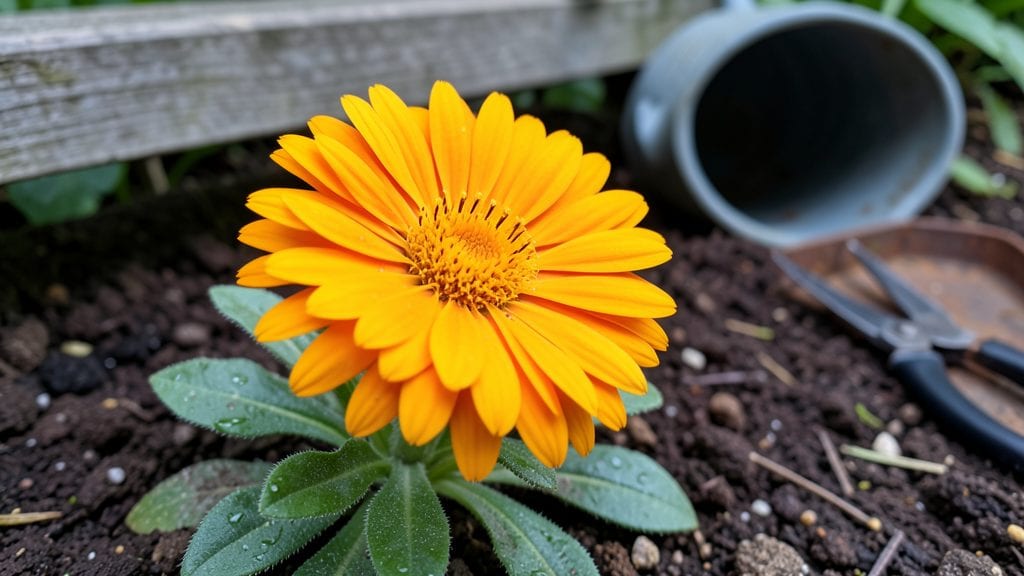
My slug prevention garden starts with copper tape—it’s the one trick that actually works when slugs turn your hostas into skeleton leaves overnight. 🌱 I’ve tried beer traps, diatomaceous earth, and even ducks, but copper’s electric-like charge sends slugs packing without harming your plants or the ecosystem.
The beauty of this system is how simple it is: wrap copper tape around pots, raised beds, or even create a barrier between garden sections. You’ll need about 12 inches of copper per square foot for full protection, and it lasts 2-3 seasons before needing replacement.
The best part? It’s chemical-free, pet-safe, and works immediately when slugs touch it.
Within days, you’ll notice fewer slime trails at dawn and more intact leaves on your prized plants. The tape stays hidden until you need it, blending into the garden while silently doing its job.
Combine it with gravel mulch around susceptible plants, and you’ve got a slug-proof fortress that even my neighbor’s persistent banana slugs can’t crack.
This method scales from a single container garden to a full backyard—just adjust the copper tape length. For extra insurance, add drought-tolerant ground covers like clover or thyme, which slugs avoid. Now let’s build that barrier before next season’s feast begins.
What Triggers Slug Attacks
Slugs may seem like harmless garden guests, but they’re actually opportunistic pests with specific triggers that turn your lush plants into their all-you-can-eat buffet. Understanding these causes is the first step to outsmarting them. Here’s why they show up—and why they love your garden.
Slugs thrive in damp, humid environments because their soft, permeable bodies lose water quickly when exposed to dry air. Here’s why moisture makes them bold:
- Rainy Seasons or Overwatering: Slugs emerge en masse after heavy rain or when soil stays soggy for days.
Their mucus trails dry out in dry conditions, but moisture keeps them active and hungry. - Morning Dew & Shade: Early-morning dew or shaded, damp spots (like under mulch or dense foliage) create ideal hiding and hunting grounds.
Slugs come out at night when humidity peaks. - Poor Drainage: Gardens with compacted soil or low-lying areas trap moisture, signaling slugs that it’s a prime feeding zone.
Actionable Insight: 💡 If your garden stays damp for more than 24 hours after rain, slugs will move in. Improve drainage with sand or gravel, and water plants at the base (not overhead) to reduce humidity.
Slugs aren’t picky, but they do have a menu—and your garden might be serving their favorites. Their diet includes:
| High-Risk Plants | Why Slugs Love Them |
|---|---|
| Lettuce, Spinach, Kale | Soft, water-rich leaves are easy to devour. |
| Hostas, Asters, Dahlias | Delicate petals and stems are irresistible. |
| Young Seedlings | Tender shoots are a slug’s equivalent of sushi. |
| Decaying Organic Matter | Rotting leaves or mulch attract slugs for shelter and snacks. |
Pro Tip: ✨ Slugs avoid plants with hairy leaves (like lamb’s ear) or thorny edges (e.g., roses). Use these as natural barriers or sacrificial plants to lure slugs away from prized crops.
Slugs are nocturnal for good reason:
- Avoiding Predators: Birds, frogs, and ground beetles hunt during the day, so slugs wait until darkness to forage.
- Higher Humidity: Nighttime air retains moisture longer, keeping their bodies hydrated.
- Cooler Temperatures: They slow down in extreme heat, making nighttime the perfect time to graze.
Key Behavior: 🔍 Slugs leave silver trails (not slime—actual metallic residue from their bodies) when they move. Check for these at dawn near your plants.
Slugs need hiding spots to survive dry spells or predator threats.
Common garden havens include: - Under Mulch or Rocks: Dark, damp spaces mimic their natural forest floor habitat. - Thick Ground Cover: Ivy, clover, or dense grass provide camouflage and moisture. - Wooden Debris or Piles: Decaying logs or old boards trap humidity and attract slugs. - Pottery or Garden Ornaments: Upside-down pots or shallow dishes collect rainwater, creating mini slug hotels.
Fix It: 🪨 Remove leaf litter, flip over pots, and store firewood away from planting areas. Keep mulch at least 2 inches away from plant stems to deter slugs from tunneling in.
Slug populations explode in warm, wet springs and falls because: - Spring: Soil warms up, encouraging egg-laying.
A single slug can lay 40+ eggs in damp soil! - Fall: Cool nights and humid days create ideal conditions for slug activity before winter. - Mild Winters: In regions without hard freezes, slugs remain active year-round.
Regional Note: 🌡️ In drier climates, slugs may go dormant in summer but rebound fiercely in monsoon seasons. Monitor soil moisture closely.
Even well-meaning gardeners can accidentally invite slugs: - Overhead Watering: Creates a damp microclimate on leaves, signaling slugs to feast. - Excessive Mulch: While mulch retains moisture (good for plants), it also retains slugs.
Use straw or pine needles instead—they dry out faster. - Ignoring Slug Eggs: Tiny, clear eggs (1/4-inch) are laid in moist soil. One egg sac can hatch 20+ slugs in 2–3 weeks.
Quick Fix: 🔥 After rain, rake soil to expose and dry out eggs. Avoid watering in the evening to let soil dry overnight.
How to solve it
Slugs may seem unstoppable, but with the right strategies, you can turn your garden into a fortress they’ll avoid. The key is combining physical barriers, natural repellents, and environmental tweaks to create a slug-proof zone.
Below, we’ll match common causes of slug infestations to the most effective fixes—plus prevention tips to keep them away for good.
Slugs love easy access to your plants, so the first step is cutting off their highways.
🍳 Block Their Tracks with Physical Barriers
Slugs can’t climb over rough or sharp surfaces, so use these low-cost, DIY-friendly solutions: - Copper tape or wire: Slugs receive a mild electric shock when touching copper.
Wrap it around pots or create a 2-inch-wide strip around garden beds. (Pro tip: 💡 Bend the copper into a slight curve to make it even harder for them to cross.) - Crushed eggshells or diatomaceous earth: Sprinkle these around plants—the jagged edges deter slugs.
Reapply after rain. - Gravel or coarse sand: Create a 3-4 inch border around vulnerable plants. Slugs dislike crawling over uneven surfaces.
👨🍳 Remove Moisture Hotspots
Slugs thrive in damp conditions, so reduce their favorite hiding spots:
- Improve drainage: Ensure your soil isn’t soggy. Add compost or organic matter to help water drain faster.
- Water in the morning: Wet foliage at night attracts slugs.
Use drip irrigation or soaker hoses to keep leaves dry. - Clear debris: Piles of leaves, mulch, or boards create slug hotels. Keep your garden tidy, especially near plant bases.
Slugs rely on scent and taste to find food. Overwhelm their senses with these non-toxic tricks:
🔪 Use Slug-Confusing Scents
- Crushed garlic or chili peppers: Mix into water and spray around plants. The strong smell masks plant odors slugs follow.
- Coffee grounds: Sprinkle used grounds near plants.
The caffeine acts as a natural deterrent. (Bonus: 🌡️ It also enriches soil!) - Essential oils: A few drops of citrus, peppermint, or cedar oil in a spray bottle (mixed with water) can repel slugs. Reapply every few days.
⏰ Set Up Slug Traps
- Beer traps: Bury a shallow container filled with beer at ground level. Slugs are attracted to the yeast and drown. (Warning: 🎯 Only use in small gardens—it can attract other pests too.)
- Ginger beer traps: A more eco-friendly version!
Mix ginger juice with a little sugar water in a shallow dish. Slugs are drawn in but can’t escape.
The best defense is a garden slugs won’t want to visit in the first place.
💡 Choose Slug-Resistant Plants
Some plants naturally repel slugs or are less appealing:
- Dahlias, lavender, rosemary, and thyme – Their strong scents deter slugs.
- Avoid tender new growth – Slugs love young, soft leaves. Opt for mature plants or use row covers for seedlings.
✨ Encourage Natural Predators Bring in slug’s worst enemies:
- Birds: Install a bird feeder or bath to attract robins, thrushes, and blackbirds—they love slugs for breakfast.
- Ground beetles and frogs: Leave some bare soil or logs for them to hunt in.
Avoid pesticides that harm these helpers! - Nematodes: Microscopic Phasmarhabditis hermaphrodita nematodes kill slugs naturally. Apply them to moist soil in the evening for best results.
🎯 Rotate Your Strategies
Slugs adapt quickly, so combine methods for maximum effect:
- Week 1: Install copper tape + coffee grounds.
- Week 2: Add nematodes + beer traps.
- Week 3: Sprinkle crushed eggshells + plant slug-repelling herbs.
Remember: Consistency is key! Slugs won’t give up easily, so check your barriers and repellents regularly—especially after rain. With these tactics, your garden will become a slug-free sanctuary in no time. 🚫🐌
Frequently asked questions about slug-proof gardens
What’s the most effective slug deterrent for container gardens?
For pots and containers, copper tape is the gold standard. Wrap a 2-inch strip around the rim—slugs get a mild electric shock when they touch it. For extra protection, add a layer of crushed eggshells around the base. This combo works instantly and lasts 2-3 seasons without fading.
Can I use coffee grounds to repel slugs long-term?
Fresh coffee grounds work short-term (1-2 weeks) as a natural slug repellent, but they break down quickly. For lasting protection, mix them with dry diatomaceous earth (1:1 ratio) and reapply every 7-10 days after rain. The caffeine in coffee grounds confuses slugs’ scent trails, while the diatomaceous earth damages their slimy bodies.
Why do slugs ignore some plants but devour others?
Slugs target plants with soft, water-rich leaves (like lettuce or hostas) because they’re easy to eat. Plants with hairy leaves (e.g., lamb’s ear), thorny edges (roses), or strong scents (lavender) are naturally slug-resistant. Even the soil type matters—slugs avoid dry, sandy areas but thrive in moist, organic-rich soil.
How do I know if my slug problem is eggs or adults?
Check for tiny clear egg sacs (1/4-inch) in moist soil after rain—they’re the size of a grain of rice. Adult slugs leave silver trails (not slime) at dawn. If you see both, treat with Phasmarhabditis nematodes (kills eggs and adults) or rake soil to expose eggs to dry out. Adults need copper barriers or beer traps.
Is it safe to use nematodes around pets or kids?
Yes! Phasmarhabditis hermaphrodita nematodes are pet-safe and non-toxic to humans. They only target slugs and snails, breaking down their bodies internally. Apply them to moist soil in the evening (they need humidity to survive). Always follow package instructions—overuse isn’t necessary, as they multiply naturally in your garden.