Tools
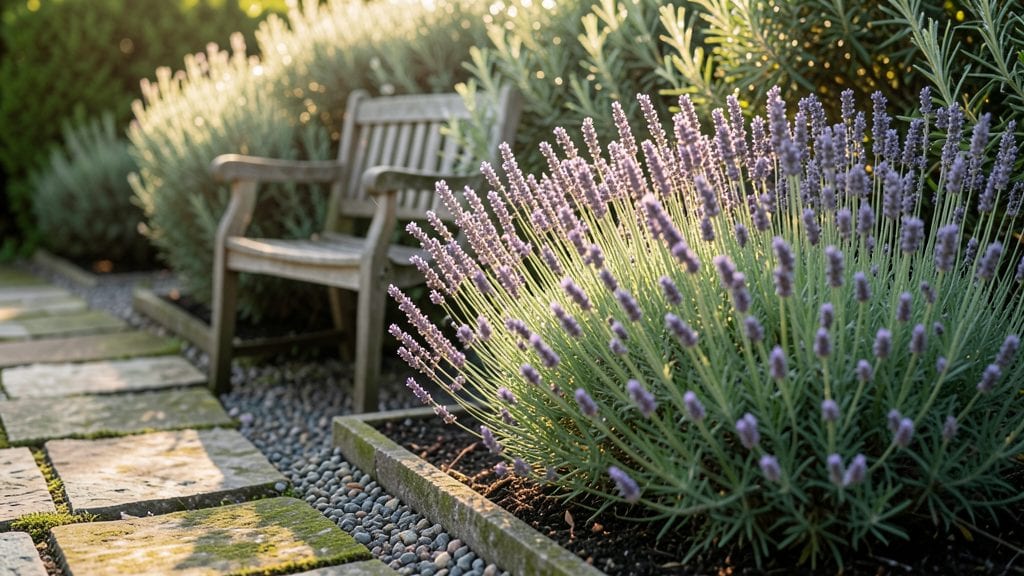
A small wildflower garden can transform even the tiniest corner into a buzzing hub for bees, butterflies, and hummingbirds—without needing a yard. I started mine in a 3-foot-wide strip between my sidewalk and driveway, and now it’s the most vibrant part of my summer landscape.
The key is choosing the right mix of native wildflowers that thrive in your climate while demanding almost no maintenance from you.
You’ll need just a few supplies: a shovel or trowel, some native wildflower seeds (look for pollinator-friendly blends), and a sprinkle of compost to feed the soil. Skip the fancy raised beds—wildflowers love loose, well-draining earth, and they’ll spread on their own once established.
For extra impact, add a few 3-inch-tall stones or pebbles to define edges or create visual texture without overwhelming the delicate blooms.
By late spring, you’ll see a sea of color—purples, yellows, and whites—that keeps blooming all summer long. The flowers attract pollinators that will visit your veggies or herbs, too, while the low-growing varieties suppress weeds naturally.
Even in drought conditions, these hardy plants bounce back, proving that beauty and sustainability go hand in hand.
This project works in containers, along fences, or even in cracks of pavement—anywhere with 6+ hours of sun. Once you’ve got your patch planted, the real magic happens when you sit back and watch nature take over. Ready to turn your space into a pollinator paradise?
📚 In This Guide
- What you need
- Instructions
- Tips and common mistakes
- Wrapping up and next steps
What you need
- ● Seeds: Choose native wildflower mixes (e.g., Black-eyed Susan, Coneflower, or Milkweed). Aim for 1–2 lbs per 100 sq ft.
- ● Soil: Well-draining potting mix or native soil (amend with compost if needed). 1–2 bags (2–3 cu ft each) for small beds.
- ● Container or bed: For containers: 5–10 gallon pots (with drainage holes) or window boxes.
- ● For in-ground: A 3–6 sq ft plot (raised beds work great!).
- ● Watering can or hose: A 1–2 gallon can with a gentle spray nozzle.
- ○ Gloves & knee pads: Basic gardening gloves and optional knee pads for comfort.
- ● Hand trowel (for planting seeds in tight spaces).
- ● Pruners (small bypass pruners for trimming).
- ● Mulch (straw or shredded leaves) to retain moisture (1–2 bags).
- ○ Pebbles or decorative stones for borders (optional but cute!).
- ● A spot with 4–6+ hours of sunlight daily (full sun is best for wildflowers!).
- ● Access to water (a nearby spigot or portable water source).
- ● Patience! Wildflowers grow fast, but some may take 2–4 weeks to sprout.
Step-by-Step instructions for creating a pollinator-powered wildflower garden
Here's how to craft a thriving wildflower haven that hummingbirds, bees, and butterflies can't resist.
Choose the Perfect Location and Prepare the Soil
Select a spot that receives at least 6 hours of sunlight daily—wildflowers thrive where the sun shines brightest. Avoid areas with dense tree roots or heavy foot traffic, as these can stifle growth. Once you've picked your site, clear away weeds and debris, then loosen the top 6 inches of soil with a garden fork or tiller. This aeration helps roots establish quickly.
Wildflowers are resilient but appreciate well-draining soil. If your area holds water after rain, amend the soil with 2-3 inches of compost to improve drainage and fertility. Mix it in thoroughly so the soil crumbles easily between your fingers—this texture ensures seeds won’t rot before they sprout.
Select and Plant Native Wildflower Seeds
Native wildflower seeds are the backbone of a pollinator-friendly garden. Choose a mix that blooms at different times—early spring, mid-summer, and fall—to provide continuous nectar. Scatter the seeds evenly over the prepared soil, following the packet’s spacing guidelines (typically 1-2 pounds per 100 square feet). Lightly press them into the soil with your hand or a board to ensure good seed-to-soil contact.
Do not bury seeds deeper than ¼ inch—most wildflowers need light to trigger germination. If your garden is prone to erosion, lightly cover the seeds with a thin layer of straw mulch to protect them until they sprout. Water gently but thoroughly to settle the soil and seeds, then allow the surface to dry slightly before watering again.
Water Consistently and Monitor Growth
Keep the soil evenly moist for the first 4-6 weeks after planting, which encourages strong root development. Water deeply 2-3 times per week, aiming for ½ inch of water per session. Avoid overhead sprinkling, as it can dislodge seeds or create fungal conditions. Instead, use a soaker hose or water at the base of the plants.
Once seedlings emerge, reduce watering slightly—wildflowers are drought-tolerant once established. Watch for first true leaves, which appear 2-4 weeks after germination. At this stage, thin seedlings if they’re crowded, leaving the strongest stems 6-12 inches apart, depending on the species. This spacing ensures each plant gets enough sunlight and nutrients.
Maintain and Encourage Pollinator Visits
Allow flowers to go to seed at the end of the season—they’ll self-sow for future blooms. Cut back spent stalks in late fall or early winter to tidy the garden and prevent disease. Avoid using pesticides or herbicides, as these can harm pollinators. Instead, hand-pull weeds and let nature do its work.
To maximize pollinator activity, plant in clusters rather than rows. Bees and butterflies are drawn to dense patches of color. Place a shallow dish of water with pebbles for drinking, and add a few rocks or sticks for perching. Within 8-12 weeks, you’ll see a flurry of activity as hummingbirds, bees, and butterflies discover your garden’s bounty.
Tips & tricks for perfect small wildflower garden
Creating a thriving pollinator garden in small spaces requires attention to detail that transforms your vision into a buzzing ecosystem. Here's what I've learned from years of nurturing these tiny havens.
The Sunlight Factor: That 6 hours of sunlight daily is non-negotiable for most wildflowers, but don't assume all sunny spots are equal. South-facing areas get the most consistent light, while west-facing spots can get intense afternoon sun that may dry out soil faster. If you're working with limited space, prioritize the sunniest corner first—this is where your pollinators will spend the most time once established.
Soil Preparation Secret: The 6 inches of aerated soil in Step 1 is crucial, but I've found that adding a thin layer of coarse sand to clay-heavy soils makes a dramatic difference. This improves drainage without requiring heavy amendments. For containers or raised beds, mix in 20% perlite by volume to mimic natural conditions that wildflowers prefer. The goal is soil that crumbles like cake crumbs when moist—not sticky clay or powdery sand.
Seed Placement Technique: When scattering those 1-2 pounds per 100 square feet, I use a simple trick: divide the seeds into thirds and scatter each portion in different directions. This creates a more natural, less uniform distribution that mimics how wildflowers grow in nature. For small spaces, consider planting in concentric circles rather than straight lines—this creates visual interest while maximizing pollinator access from all directions.
Watering Wisdom: Those 4-6 weeks of consistent moisture are critical, but timing matters just as much as quantity. Water in the early morning to allow foliage to dry before evening, which prevents fungal issues. I've found that using a 5-gallon watering can makes it easy to deliver that ½ inch per session without overwatering. The key is to water deeply enough that moisture reaches 4-6 inches down—this encourages deep root growth from the start.
Pro Tips for Small Wildflower Garden
- Creating a thriving pollinator garden in small spaces requires attention to detail that transforms your vision into a buzzing ecosystem.
- The Sunlight Factor: That 6 hours of sunlight daily is non-negotiable for most wildflowers, but don't assume all sunny spots are equal.
- Soil Preparation Secret: The 6 inches of aerated soil in Step 1 is crucial, but I've found that adding a thin layer of coarse sand to clay-heavy soils makes a dramatic difference.
Frequently asked questions
Got questions about creating your own small wildflower garden?
You’re not alone! Here are answers to the most common queries to help you get started with confidence.
What’s the best time of year to plant wildflowers?
For most regions, late summer to early fall (August–September) is ideal—wildflowers establish roots before winter and bloom early the next spring. In milder climates, spring planting works too. Check your local frost dates and seed packet instructions for timing tailored to your zone!
How much water do wildflowers really need?
Once established, wildflowers are drought-tolerant superstars! Water deeply 1–2 times per week after planting to encourage root growth, then taper off. Overwatering can drown seeds or attract pests. Let nature take over—rainfall is often enough once they’re settled in.
Will wildflowers attract bees, butterflies, or other pests?
Absolutely—that’s the goal! Wildflowers are pollinator magnets, drawing bees, butterflies, and hummingbirds. To minimize pests, avoid over-fertilizing (they thrive in poor soil) and choose native species, which support local ecosystems without inviting unwanted critters like aphids (which predators like ladybugs will handle!).
Can I grow wildflowers in containers or small pots?
Yes! Containers, window boxes, or even hanging baskets work for tiny spaces. Use lightweight potting mix, ensure drainage holes, and pick compact varieties like lobelia or calendula. Just rotate pots occasionally for even sunlight—wildflowers love room to stretch their roots (even if it’s just 6 inches deep!).
What do I do if my wildflowers don’t bloom?
No blooms? Don’t panic! Check these fixes:
- Light: Most wildflowers need 6+ hours of sun daily.
- Water: Too much or too little can stress them.
- Soil: Amend heavy clay or sandy soil with compost.
- Patience: Some perennials take 2 years to flower.
Wrapping up and next steps
A small wildflower garden isn’t just about saving space—it’s about creating a thriving ecosystem that brings joy, beauty, and life to even the tiniest corners.
Whether you’re a city dweller with a balcony or a suburban gardener with limited yard space, these pollinator-friendly blooms prove that big impact comes in small packages. 🌸
Ready to turn your vision into reality? Start small—pick one sunny spot, gather your materials, and plant with confidence! Your garden (and the pollinators!) will thank you.