Tools
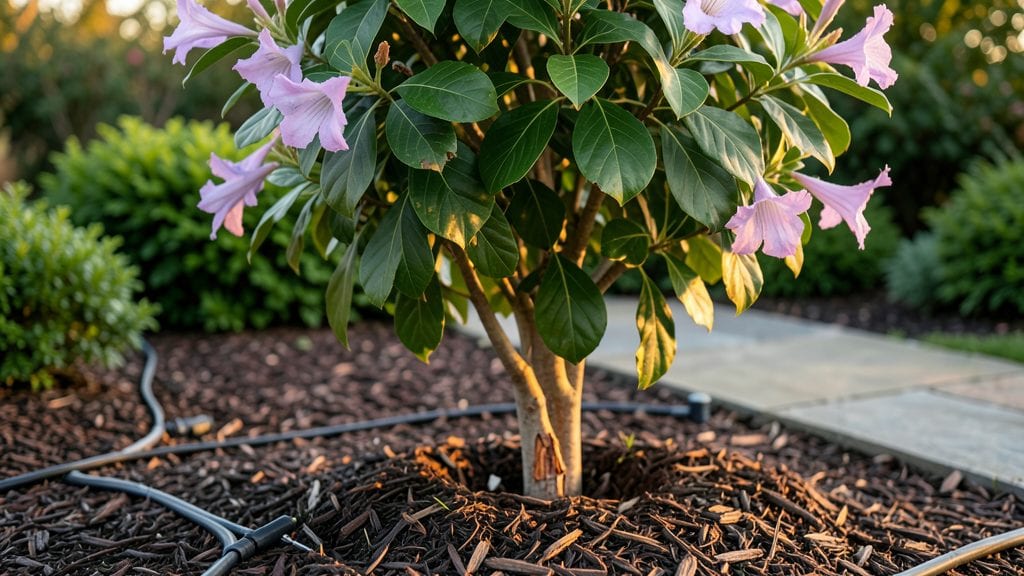
A southern exposure garden turns your backyard into a sun-drenched paradise where plants thrive year-round. 🌿 I’ve designed privacy screens here that stay vibrant even in winter, using heat-loving shrubs and evergreens that outperform anything in shadier spots.
The key isn’t just picking the right plants—it’s arranging them so the sun works with you, not against you.
The best part? You don’t need fancy tools or rare plants—just a few strategic choices. Dwarf crape myrtles, abelia, and holly varieties handle the heat while keeping their leaves, and adding vines like clematis on trellises creates instant vertical privacy.
Even edibles like rosemary and thyme flourish here, so your screen doubles as a fragrant, functional border.
By summer’s end, you’ll have a lush, green wall that blocks noise and neighbors while requiring less water than you’d expect. The plants grow faster in southern sun, and with the right layout, you’ll enjoy blooms from spring through fall—and foliage that never fades.
Here’s how to make it happen without the guesswork.
Works for small yards, large backdrops, or even urban balconies with the right dwarf varieties. Let’s get your sun-soaked screen growing!
📚 In This Guide
- What you need
- Instructions
- Tips and common mistakes
- Wrapping up and next steps
What you need
- ● Plants (Choose 3-5 varieties for diversity): 6-10 Camellia shrubs (evergreen, blooms winter-spring)
- ● 4-6 Oleander bushes (heat-tolerant, drought-resistant)
- ● 3-5 Boxwood shrubs (neat, dense foliage for structure)
- ● 2-3 Ligustrum (privacy-focused, fast-growing)
- ○ Optional: Dwarf Gardenia (fragrant, evergreen blooms)
- ● Soil Amendments: 50 lbs compost (for nutrient-rich planting)
- ● 20 lbs slow-release fertilizer (10-10-10 ratio)
- ● 1 bag mulch (3-4 inches, pine bark or cypress)
- ● Shovel (heavy-duty, 18-inch blade)
- ● Garden trowel (for precision planting)
- ● Wheelbarrow (for hauling soil/amendments)
- ● Measuring tape (25-foot)
- ● Gloves (heavy-duty, waterproof)
- ● Pruning shears (bypass-style for clean cuts)
- ○ Optional: Soil pH tester (ensure acidity for camellias)
- ● Sunlight assessment: 6+ hours of full sun (or partial shade for camellias)
- ● Measured space: Minimum 6-foot width for dense privacy
- ● Water source: Hose with spray nozzle or drip irrigation system
- ● Local regulations: Check HOA/zoning laws for plant restrictions
How to design a southern exposure privacy screen that stays green all year
Here's how to create a sun-loving, evergreen barrier that thrives in your warmest garden space.
🌿 Step 1: Select the Right Plants for Southern Sun
Choose a mix of evergreen shrubs and perennials that handle full sun and high heat. I recommend 4-6 varieties for texture and year-round interest. Start with Camellia sasanqua (for winter blooms), Oakleaf hydrangea (for vibrant fall color), and Dwarf gardenia (for glossy foliage). These plants love the southern sun and stay lush even in dry spells.
For height variation, add Crape myrtle (6-8 feet) as your tallest element, flanked by Loropetalum (3-4 feet) for delicate foliage. Space them 3-5 feet apart to allow airflow and prevent disease. This arrangement creates a natural, layered look while maximizing privacy.
🪴 Step 2: Prepare the Planting Area
Mark your planting line with stakes and string, ensuring the screen spans the desired width. Dig holes twice as wide and slightly deeper than each plant's root ball to encourage root spread. Southern exposure soil can dry out quickly, so mix 3 gallons of compost into the backfill for each hole to improve moisture retention.
Amend the native soil with 2 cups of slow-release fertilizer per hole to give plants a nutrient boost. Water each hole deeply before planting to settle the soil and remove air pockets. This prep ensures your plants establish strong roots before summer heat sets in.
☀️ Step 3: Plant and Stake for Stability
Remove each plant from its container and loosen the roots gently if they're circling. Place the plant in the hole so the top of the root ball sits 1 inch below soil level—this prevents stem rot in heavy rains. Fill the hole with the amended soil, pressing lightly around the edges to eliminate gaps.
Stake taller plants like crape myrtle and gardenia with 2-3 foot bamboo stakes, securing them with soft ties. Water each newly planted shrub with 1 gallon of water to help settle the soil and reduce transplant shock. Mulch the base with 2 inches of pine bark mulch to conserve moisture and regulate soil temperature.
💧 Step 4: Establish a Watering Routine
Water deeply 2-3 times per week during the first growing season, aiming for 1-2 inches of water per week. Southern exposure plants need consistent moisture but hate soggy roots. Check soil moisture by sticking your finger 2 inches deep—if it feels dry, it's time to water. Early morning is best to reduce evaporation.
After the first year, most of these plants will establish deep roots and require less frequent watering. However, during heatwaves, increase to weekly deep waterings to prevent leaf scorch. A drip irrigation system placed at the base of each plant makes maintenance effortless.
✂️ Step 5: Prune for Shape and Health
Prune lightly in late winter or early spring to shape your screen and encourage dense growth. Remove any dead, diseased, or crossing branches first. For crape myrtle, cut back last year's blooms to encourage new growth—this keeps the plant full and flowering. For hydrangeas, trim back leggy stems by one-third to promote bushier growth.
Shape the outer edges of your screen with clean, sharp shears for a polished look. Avoid heavy pruning in summer, as it stresses plants already dealing with heat. A light touch now ensures your privacy screen stays lush and vibrant all year.
Tips & tricks for perfect southern exposure privacy screens
Creating a thriving privacy screen in full sun takes a few key strategies that make all the difference between a struggling screen and one that stays lush year-round.
Plant Selection Matters: In Step 1, when choosing your 4-6 varieties, prioritize plants with thick, waxy leaves like Camellia sasanqua and Loropetalum—they handle southern sun better than delicate foliage. I've learned the hard way that plants like boxwoods can get sunburned in intense southern exposure, so avoid them here. The crape myrtle's broad canopy provides shade for smaller plants below, creating a natural microclimate that helps everything thrive.
Soil Prep is Non-Negotiable: In Step 2, don't skip the 3 gallons of compost per hole—this is especially critical in southern exposure where soil dries out quickly. I've seen plants struggle when gardeners skip this step, even with expensive plants. The compost helps retain moisture while the slow-release fertilizer gives roots a steady nutrient supply during the critical first growing season. Mix these thoroughly with native soil to prevent pockets of different textures.
Watering Wisdom: The 2-3 times per week routine in Step 4 is perfect, but timing matters just as much. Water in the early morning (before 9am) to let foliage dry completely by evening, preventing fungal issues that thrive in southern humidity. During heatwaves, I increase to daily waterings but give each plant 1 gallon at a time—this mimics natural rainfall patterns better than frequent light waterings that only wet the surface.
Pruning Precision: When shaping your screen in Step 5, focus on removing only one-third of leggy stems—never more than that. I've seen gardeners over-prune in spring and end up with sparse screens by summer. For crape myrtle specifically, cut back to the lateral branches rather than making flush cuts to the trunk, which helps maintain the plant's natural shape and encourages new growth from the right places.
Pro Tips for Southern Exposure Garden
- Creating a thriving privacy screen in full sun takes a few key strategies that make all the difference between a struggling screen and one that stays lush year-round.
- Plant Selection Matters: In Step 1, when choosing your 4-6 varieties, prioritize plants with thick, waxy leaves like Camellia sasanqua and Loropetalum—they handle southern sun better than delicate foliage.
- Soil Prep is Non-Negotiable: In Step 2, don't skip the 3 gallons of compost per hole—this is especially critical in southern exposure where soil dries out quickly.
Frequently asked questions
What’s the best time of year to plant a Southern Exposure Garden?
The ideal time is early spring (March–April) or fall (September–October) when temperatures are mild. This gives plants time to establish roots before extreme heat or cold. For container plantings, you can plant year-round, but avoid frost periods.
How much water does a Southern Exposure Garden need?
Newly planted screens need 1–1.5 inches of water weekly (including rainfall). Once established, most evergreens and shrubs thrive on deep watering 2–3 times per week. Mulch helps retain moisture—aim for 2–3 inches around the base. Drought-tolerant varieties (like Loropetalum) reduce maintenance.
Can I use this design in full sun or partial shade?
Yes! The Southern Exposure Garden adapts to both:
- Full sun (6+ hours/day): Opt for Camellias, Holly, or Crape Myrtle—they handle heat well.
- Partial shade (3–6 hours/day): Try Azaleas, Gardenias, or Boxwoods for lush, shade-friendly greenery.
What pests should I watch for in a Southern Exposure Garden?
Common culprits include:
- Spider mites & aphids: Spray with neem oil or introduce ladybugs.
- Scale insects: Scrape off manually or use horticultural oil.
- Deer/rabbits: Install fencing or repellent plants like Boxwood (they dislike its texture).
What if my yard has poor soil? Can I still create this garden?
Southern Exposure plants are adaptable:
- Amend clay soil with compost or sand for drainage.
- For sandy soil, add peat moss or organic matter to retain moisture.
- Use container plantings for full control over soil quality.
Wrapping up and next steps
Creating a Southern Exposure Garden as your year-round privacy screen is a rewarding project that blends beauty with functionality. With the right mix of evergreens, seasonal blooms, and smart design, you’ll enjoy a lush, vibrant space that thrives in any climate.
Whether you’re a seasoned gardener or just starting out, this project is a fantastic way to elevate your outdoor living area.
Ready to get started? Sketch your design, gather your materials, and begin planting! Your future oasis awaits—just a few plants and some patience away. 🌿✨