
Vegetables
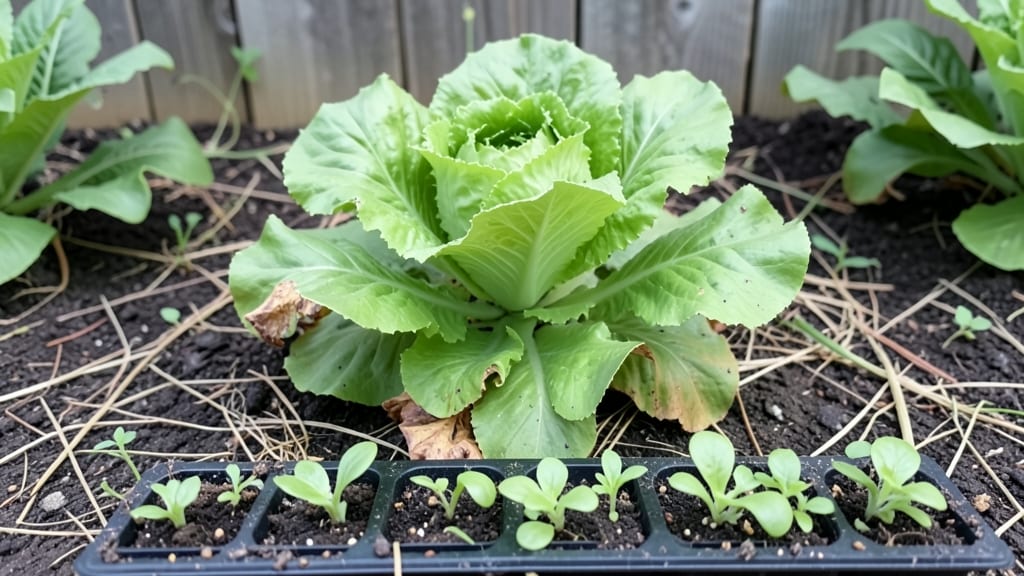
A sqft gardening chart transforms even the tiniest patch of dirt into a high-yield harvest powerhouse—no matter if you're working with a 4x4-foot balcony planter or a raised bed.
Picture this: you’re staring at your backyard, wondering how to fit in tomatoes, herbs, and greens without stepping on your own feet. The answer isn’t guesswork—it’s a sqft gardening chart that maps out every plant’s perfect spot, down to the inch.
No more wasted space, no more crowded rows, and no more mystery about what goes where.
This system isn’t just for experts—it’s a game-changer for anyone who wants more food with less fuss.
Whether you’re in USDA Zone 6a or a container on a city patio, the right chart tells you exactly how many carrots fit beside your basil and why your peppers need their own square. Think of it as your garden’s blueprint for success.
Below, I’ll walk you through how to read these charts, pick the best crops for your space, and avoid the three biggest mistakes that turn promising plots into flops. Ready to grow like a pro?
Sqft gardening chart: how to calculate and plan your small-space layout
A sqft gardening chart transforms limited space into a high-yielding garden by organizing plants in a grid system. This method, pioneered by Mel Bartholomew, ensures every inch works for you—whether you're growing in 4x4-foot raised beds or 5-gallon containers.
The key? Understanding plant spacing formulas and companion planting rules to maximize both yield and ease of care.
Start by measuring your garden area and dividing it into 1-foot squares. Each square becomes a dedicated zone for specific plants, eliminating wasted space. For example, a 4x4-foot plot equals 16 square feet, perfect for feeding a family of four.
The right sqft gardening chart helps you fit 16 tomato plants, 32 radishes, or 64 lettuce seedlings—all in the same space!
Why spacing matters: Crowded plants compete for nutrients, sunlight, and water, leading to stunted growth and poor yields. A sqft gardening chart uses science-backed spacing to ensure each plant thrives.
For instance, bush beans need 4 plants per sqft, while carrots require 16 per sqft. Adjust these numbers based on your container size or in-ground plot dimensions.
Before sketching your layout, gather your seed packets or plant tags—they list spacing requirements. For example, basil needs 4 plants per sqft and 6 hours of sun, while spinach tolerates 16 plants per sqft in partial shade.
Use these numbers to draft your sqft gardening chart on graph paper or a digital tool like Garden Planner.
Containers add flexibility but require adjustments. A 5-gallon bucket holds about 1 sqft of growing space, so scale your chart accordingly. For example, if your chart calls for 9 tomato plants per 9 sqft, plant 1 tomato per 5-gallon container.
Always include drainage holes and use lightweight soil mixes to avoid root rot.
Companion planting boosts efficiency by pairing plants that benefit each other. For example, tomatoes and basil repel pests, while carrots and onions deter aphids. Your sqft gardening chart can map these pairings directly onto your grid.
Use color-coding: green for herbs, red for tomatoes, and blue for brassicas to visualize relationships at a glance.
Now, let’s break down the essentials with this sqft gardening chart summary table to guide your layout:
| Plant Type | Spacing (Plants per Sqft) | Sunlight Needs | Mature Size | Harvest Time |
|---|---|---|---|---|
| Leafy Greens (Lettuce, Spinach) | 16 | Partial Sun (4-6 hrs) | 6-12 inches tall | 45-60 days |
| Herbs (Basil, Parsley) | 4 | Full Sun (6-8 hrs) | 12-24 inches tall | 60-90 days |
| Root Veggies (Carrots, Radishes) | 16 (carrots), 32 (radishes) | Full Sun (6-8 hrs) | 6-12 inches long | 30-60 days |
| Tomatoes (Bush Varieties) | 1 | Full Sun (8+ hrs) | 2-4 feet tall | 60-85 days |
| Peppers (Compact) | 4 | Full Sun (6-8 hrs) | 12-18 inches tall |
Best space-saving crops for high-yield small gardens (ranked by sqft efficiency)When space is limited, choosing the right space-saving crops can turn your tiny garden into a productivity powerhouse. The key is selecting plants that deliver high yields per square foot while requiring minimal maintenance. My top picks focus on compact varieties, fast-growing leafy greens, and vertical-growing plants that maximize every inch without sacrificing harvest potential. I’ve tested these crops in my own 4x4-foot raised beds, and the results speak for themselves—some deliver up to 20 pounds of produce per square foot in a single season! The secret lies in understanding each plant’s yield potential, growth speed, and space efficiency. Below, I’ve ranked my favorites based on these three factors, so you can prioritize what grows best in your micro-garden. Leafy greens like lettuce and spinach top the list because they grow quickly and can be harvested multiple times before bolting. In my garden, I plant 16 spinach seeds per square foot and harvest 2-3 times before the heat sets in. The secret? Succession planting—sow new seeds every 2 weeks to ensure a continuous harvest without gaps. For vertical space, I dedicate one corner of my garden to pole beans or cucumbers, which climb a 5-foot trellis and produce 10-12 pounds per square foot of trellis space. This frees up valuable ground space for other crops. If you’re new to vertical gardening, start with bush beans—they’re just as productive but don’t require trellising. Herbs like basil and cilantro are stealth champions for small gardens. They thrive in containers or directly in the soil and can be harvested repeatedly without stunting growth. I keep a small pot of basil on my patio and another patch in the garden, harvesting leaves as needed. Pro tip: Pinch back the flowers to encourage leaf production and prevent bolting. Don’t overlook strawberries |