Tools
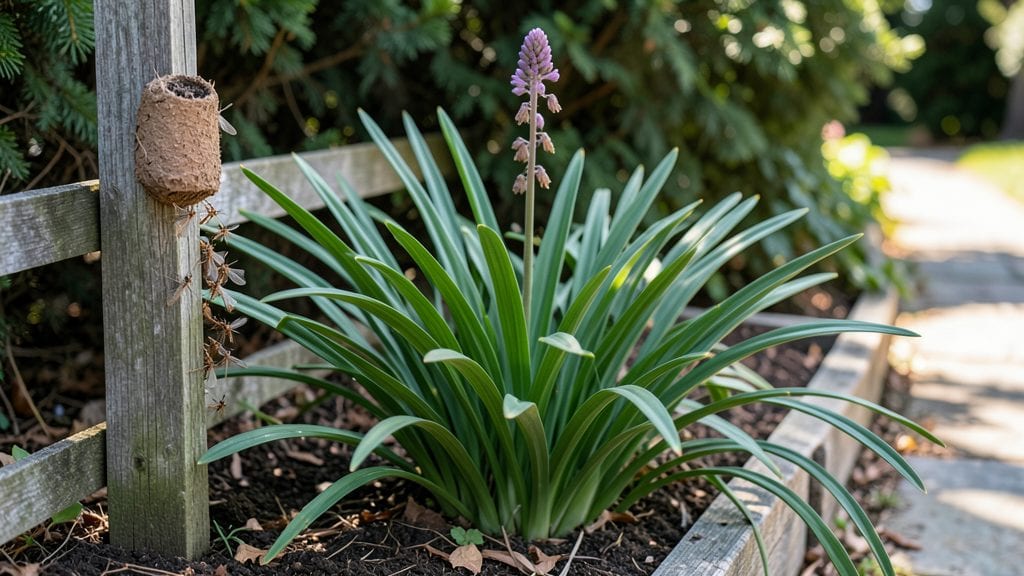
Termites in your garden aren’t just annoying—they can silently destroy wooden structures, mulch piles, and even plant roots before you notice. 🌱 I’ve dealt with them twice, and the first time, I nearly lost my raised beds before I caught the mud tubes along the support posts.
The key is acting fast with methods that don’t poison your soil or harm pollinators.
Most gardeners reach for chemical sprays, but those can linger in the soil for months and harm beneficial insects.
Instead, I’ve found that a mix of early detection (look for frass piles or hollow-sounding wood) and targeted removal—like manual extraction of tubes and bait stations—works just as well without the chemical fallout. Even better, these methods protect your compost and vegetable beds.
By the time you finish, you’ll have a garden where termites are a one-time nuisance, not a recurring battle. Your plants will stay healthy, your mulch won’t vanish overnight, and you’ll avoid the heartbreak of collapsed trellises.
The secret? Combining physical barriers, natural deterrents, and smart plant placement to make your garden less inviting to them.
This approach works for organic gardens, traditional plots, and even container setups—no matter how severe the infestation. Let’s get your garden back to thriving without the hidden damage.
Root Causes of Garden Termites
Termites don’t just wander into your garden by accident—they’re drawn by specific conditions that make your outdoor space an all-you-can-eat buffet. Understanding these triggers is the first step to stopping them before they start. Let’s break down the science behind why your garden becomes a termite hotspot.
Termites need moisture to survive, and your garden might be unintentionally providing a tropical oasis. Here’s why:
- Overwatering or poor drainage: Termites thrive in soil with a moisture content of 20-30%. If your garden holds excess water—whether from frequent watering, rain, or compacted soil—they’ll move in.
Look for signs like soggy patches, puddles, or mushrooms (a red flag for excess moisture). - Leaky irrigation systems: Drip lines, broken hoses, or sprinklers that oversaturate certain areas create micro-climates perfect for termites.
Even a small leak can turn a 6-inch radius of soil into a termite magnet. - Wood mulch or debris: Mulch retains moisture, and if piled too thick (over 4 inches), it traps humidity against the soil. Decaying plant matter also emits cellulose, a termite favorite.
Actionable fix: Test soil moisture with a soil moisture meter (aim for 10-20% moisture). Improve drainage with gravel trenches or French drains, and space mulch 3-4 inches away from plant stems.
Termites are obligate detritivores, meaning they must eat cellulose to survive. Your garden likely has more of it than you realize:
- Living plants: While termites rarely attack healthy plants, stressed or dying vegetation (e.g., root rot, fungal infections) becomes an easy target.
Weak roots emit volatile organic compounds (VOCs) that signal distress—termite dinner bells. - Dead wood and stumps: Even small pruned branches, logs, or tree stumps hidden in garden beds provide shelter and food.
Subterranean termites, in particular, build mud tubes along these structures to access moisture and cellulose. - Paper and cardboard: Old garden tags, mulch bags, or even egg cartons left in the soil break down into cellulose-rich snacks. Some termites (like drywood termites) will nest inside these materials.
Actionable fix: Remove all dead plant matter and wood debris from your garden. Replace cardboard mulch with cedar chips (naturally termite-resistant) or gravel. Store firewood at least 20 feet away from your home and elevated off the ground.
You might unknowingly be creating a termite paradise with everyday gardening practices:
- Compost piles: While compost is great for plants, poorly managed piles (too wet, too close to structures) attract termites.
They’ll swarm into your garden from the compost, then spread to nearby wood. - Landscaping wood: Treated lumber (like fence posts or decking) can still harbor termites if the chemical treatments degrade over time.
Untreated wood is a free buffet. - Planting near foundations: Termites follow moisture gradients, so gardens adjacent to basements, crawl spaces, or patios become highways. They’ll bridge the gap between soil and structure.
Actionable fix: Keep compost at least 10 feet from your home, turn it regularly to raise temperatures (termites hate heat over 100°F), and use metal or composite edging instead of wood for garden beds.
Termites are temperature-sensitive, and certain conditions make your garden irresistible:
- Warm, humid seasons: Termites are most active when soil temps stay above 60°F and humidity is high (60%+). This is why spring and fall see the most swarms. - Drought stress: Surprisingly, dry spells can also attract termites.
Plants under drought stress emit more sugars in their roots, luring termites for an easy meal. - Recent disturbances: Newly tilled soil or freshly planted areas expose fresh cellulose, triggering termite scouts to investigate.
Actionable fix: Monitor soil temperature with a thermometer—if it’s consistently warm, reduce irrigation slightly to deter moisture-loving species. After planting, water deeply but infrequently to avoid stress signals.
Termites don’t just appear—they scout and recruit. Here’s how they locate your garden:
- Pheromone trails: Worker termites leave chemical trails to guide swarms. If one finds a food source (like your mulch or wood chips), thousands more will follow. - Bridges and tubes: Subterranean termites build mud tubes along walls, fences, or plant stems to travel undetected.
These tubes can stretch feet long and are often missed until damage appears. - Swarmers’ signals: When alate termites (winged reproductives) emerge, they release pheromones that attract mates—and accidentally mark your garden as a hotspot for future colonies.
Actionable fix: Inspect your garden for tiny mud tubes (pencil-width or thinner) on plants, fences, or foundation walls. Disrupt trails with a hose spray (termite trails are water-sensitive) or boric acid barriers (non-toxic to plants).
💡 Pro Tip: Termites avoid direct sunlight and dry conditions. Keep garden beds well-aerated with gravel pathways and prune plants to improve airflow—this makes your garden less inviting.
Termite Control Without Harming Your Garden
Termites may seem like tiny invaders, but with the right approach, you can tackle them effectively while keeping your garden thriving. Below are practical, humane solutions tailored to common causes of termite infestations—from moisture issues to wood debris—and how to fix them without damaging your plants.
Termites love damp soil, and standing water or poor drainage creates the perfect breeding ground. Here’s how to dry things out:
💧 Drain & Redirect Water
- Install a French drain around garden beds to redirect excess water away from roots.
- Check irrigation systems for leaks or overwatering—termite scouts follow water trails.
- Use gravel or sand in planting beds to improve drainage (termites dislike dry conditions).
🌱 Mulch Smartly (Not Too Thick!)
- Keep mulch 2–3 inches deep—thicker layers trap moisture and attract termites.
- Opt for cedar or cypress mulch, which naturally repel termites.
- Avoid wood chips near wooden structures (decks, fences).
💡 Pro Tip:
🌡️ Monitor soil moisture with a simple moisture meter. Termites thrive in soil with a moisture level above 20%. Aim for 10–15% for deterrence.
Termites feed on cellulose, so piles of logs, stumps, or dead plant matter are like an all-you-can-eat buffet. Clear them out:
🪓 Chip or Burn (Safely) Wood Waste
- Chop wood debris into small pieces (termites can’t nest in tiny chunks).
- Burn debris in a contained fire pit (check local burn regulations).
- Compost only untreated wood—termite eggs may survive in hot compost piles.
🌿 Prune & Clean Up Plant Waste
- Remove fallen leaves and branches regularly—termite colonies start small!
- Avoid leaving cardboard or paper near garden beds (termites mistake it for wood).
- Store firewood at least 20 feet away from your home and garden.
✨ Prevention Hack:
🎯 Use termite-resistant plants like marigolds, lemongrass, or neem trees near vulnerable areas. Their strong scents deter termites naturally.
Chemical pesticides can harm plants and beneficial insects. Instead, try these eco-friendly barriers:
| Method | How to Apply | Effectiveness |
|---|---|---|
| Diatomaceous Earth (DE) | Sprinkle a thin layer around garden edges and wood structures. Reapply after rain. | ⭐⭐⭐⭐ (Kills on contact) |
| Orange Oil Spray | Mix 1 tbsp orange oil with 1 quart water; spray on termite trails. | ⭐⭐⭐ (Short-term deterrent) |
| Nematodes (Beneficial) | Apply Steinernema carpocapsae nematodes to soil—they hunt termite larvae. | ⭐⭐⭐⭐ (Long-term control) |
| Essential Oil Barrier | Mix peppermint, tea tree, or clove oil with water; spray around garden perimeter. | ⭐⭐ (Needs reapplication) |
🔥 DIY Termite Bait Station
- Bury a wooden block (like a 4x4 post) near termite activity.
- Drill holes and fill with borax + sugar mix (1:1 ratio).
- Termites will feed on it, then share it with the colony—killing them from within.
If termites are targeting decks, fences, or mulch, take these steps:
🛠️ Seal & Treat Wood
- Apply a termite-repellent wood sealant (like borate-based products) to decks and fences.
- Replace rotting wood—termites exploit weak spots.
- Use metal or plastic edging for garden beds instead of wood.
🌿 Create a Termite-Resistant Mulch Barrier
- Line mulch beds with landscape fabric to block termite access to soil.
- Space mulch 6+ inches away from wooden structures.
- Check for mud tubes (termite highways) and disrupt them with a hose or brush.
If you’ve tried everything and termites persist:
- Hire a pest control expert who uses non-toxic, targeted treatments (like baiting systems).
- Look for licensed eco-friendly exterminators who avoid broad-spectrum chemicals.
- Monitor with termite traps (like cardboard bait stations) to catch early signs.
✅ Inspect garden monthly for mud tubes, discarded wings, or hollow-sounding wood. ✅ Fix leaks in irrigation, gutters, and downspouts immediately. ✅ Aerate compacted soil to reduce moisture retention. ✅ Rotate plants to avoid overloading one area with cellulose-rich debris. ✅ Encourage natural predators like birds, ants, and nematodes with diverse plantings.
By addressing moisture, food sources, and entry points, you can eliminate termites humanely while keeping your garden lush and healthy. 🌿💚 The key is consistency—termite colonies grow fast, but so does your defense with these steps!
Frequently asked questions
What are the first signs of termites in my garden?
Look for mud tubes (pencil-thin tubes along fences, mulch, or foundation walls) and discarded wings near windows or plants after rain. Also check for hollow-sounding wood in trellises, stakes, or compost bins—tap them with a screwdriver. Tiny holes in mulch bags or cardboard are another red flag.
Are termites in my garden dangerous to plants?
Termites rarely attack healthy plants, but they can damage roots of stressed seedlings or mulch piled too thick. The bigger risk is to wooden structures—raised beds, fences, and compost bins. Focus on removing their food sources (wood debris) and moisture first to protect both plants and structures.
Can I use vinegar to kill termites in my garden?
Vinegar won’t kill established termites but can disrupt trails and deter scouts. Mix 1 part white vinegar to 1 part water and spray directly on mud tubes or entry points. Reapply every 3-4 days—it’s safe for plants but won’t eliminate a full colony. Pair it with diatomaceous earth for better results.
How do I prevent termites from coming back after treatment?
Focus on moisture control (fix leaks, improve drainage) and remove cellulose sources (chop wood debris, use gravel instead of wood chips). Plant termite-repelling herbs like mint or lemongrass near vulnerable areas, and inspect monthly for new mud tubes or winged swarmers.
Will chickens or ducks eat termites in my garden?
Yes! Chickens and ducks naturally forage for termites, especially when they’re swarming or exposed. Let them scratch in garden beds after treatment—just avoid areas with fresh mulch or seedlings. For best results, introduce them during spring/summer when termite activity peaks.