
Tools
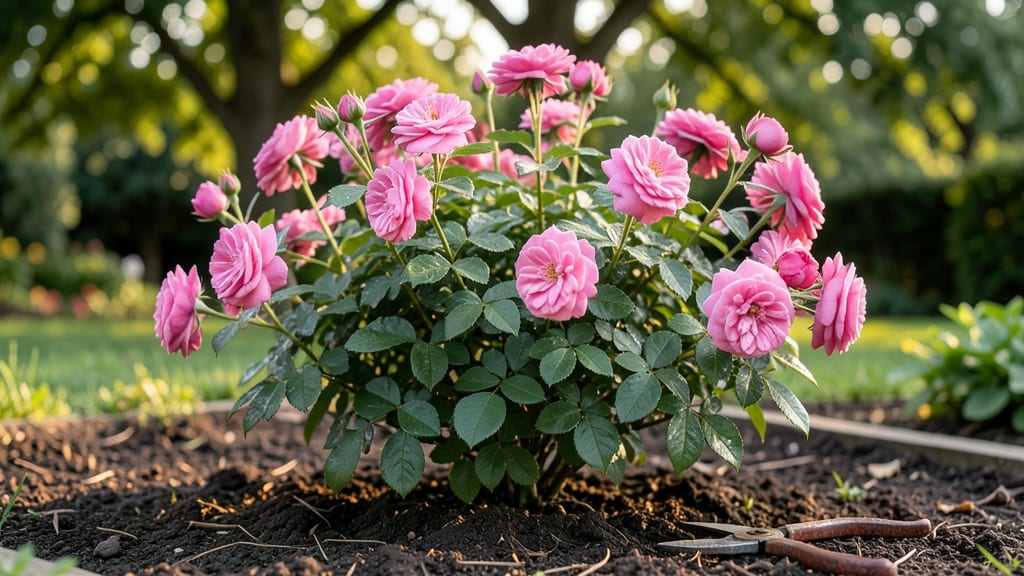
A family garden transforms your backyard into a place where kids dig in the dirt, adults harvest meals, and every season feels like a celebration. 🌱 I designed mine after watching my son refuse to eat store-bought tomatoes—until he grew his own.
The key isn’t space but smart layers: edible plants at knee height, shaded play spots, and paths wide enough for wheelbarrows (or bikes).
Start with 5-10 square feet of raised beds or containers—enough for quick wins like cherry tomatoes, bush beans, and strawberries. Add low-maintenance perennials like mint (for kids to sniff) and oregano (for adults to cook with) to keep interest year-round.
Safety comes first: avoid thorny roses near play areas and use non-toxic mulch like cedar chips. My grandkids now "help" by watering the herbs with funnels we painted together.
You’ll end up with a space that feeds curiosity as much as it feeds plates. Picture mornings with coffee in hand while kids chase butterflies through the basil, or evenings grilling veggies picked minutes before.
The garden becomes the heart of outdoor living—not just a patch of dirt, but a shared story. Let’s plan yours to grow with your family.
Works for apartments (balcony planters) or backyards (perennial borders), and adapts to any climate. The secret? Rotate activities—spring for seed bombs, summer for sun tea stations, fall for pumpkin carving. Every season keeps everyone engaged. Ready to build a garden that grows memories?
📚 In This Guide
- What you need
- Instructions
- Tips and common mistakes
- Wrapping up and next steps
What you need
- ● Growing Containers: 5–10 10–15 gallon pots, window boxes, or a 4’x8’ raised bed (for in-ground gardens). Use lightweight materials like fabric or plastic for easy mobility.
- ● High-Quality Soil: 1–2 bags of sterile potting mix (for containers) or garden soil amended with compost (for in-ground plots). Aim for at least 2 cubic feet per plant.
- ● Compost or Fertilizer: 1–2 bags of organic compost or a slow-release granular fertilizer (10–20 lbs, depending on garden size). Fish emulsion or worm castings work great too!
- ● Seeds or Seedlings: Fast-growing options: Lettuce, radishes, green onions, or cherry tomatoes (start with 5–10 plants).
- ● Perennials/herbs: Basil, mint, or chives (3–5 plants).
- ● Flowers: Marigolds or nasturtiums (5–10 plants for pollinators).
- ● Watering Supplies: A watering can with a rose attachment (for containers).
- ● A soaker hose or drip irrigation kit (for in-ground gardens).
- ● Basic Tools: Hand trowel ($5–$10)
- ● Pruning shears ($10–$20)
- ● Garden gloves (1 pair, waterproof)
- ○ Measuring tape (optional, for spacing plants)
- ● Mulch: Straw or shredded leaves (2–3 inches deep) to retain moisture and suppress weeds.
- ● Trellis or Cage: For vining plants like cucumbers or beans (1–2 5’ tall supports).
- ● Shade Cloth: Lightweight fabric (30–50% shade) for heat-sensitive plants.
- ● Garden Journal: Notebook or app to track planting dates, watering schedules, and harvests.
- ● Kid-Friendly Tools: Mini trowel or watering wand (for little helpers!).
Instructions for designing your family garden in compact spaces
Creating a thriving family garden doesn't require acres—just smart planning and the right approach.
🌱 Step 1: Plan Your Layout for Year-Round Use
Start by sketching your space on paper. Divide it into zones: one for quick harvests (like lettuce and radishes), another for mid-season crops (tomatoes and peppers), and a third for long-term producers (herbs and strawberries). I like to dedicate the sunniest spot to leafy greens and the shadier areas to herbs—they thrive without competing for light.
Use vertical space with trellises for vining plants like cucumbers or beans. This keeps the ground clear for other crops and makes harvesting easier for kids. Label each section clearly so everyone knows what grows where—trust me, this prevents trampled seedlings and forgotten corners.
☀️ Step 2: Optimize Light and Soil for Small Spaces
Measure sunlight exposure in every corner of your garden. Most vegetables need 6+ hours of direct sun, while herbs like parsley and chives can handle 4-5 hours. If your space is shady, prioritize leafy greens and container-friendly plants like lettuce or spinach.
Mix the 1 cubic yard of compost into your existing soil to improve drainage and fertility. For raised beds, blend it evenly with the 2 bags of potting mix to create a light, airy medium. Test soil moisture by pressing your finger 1 inch deep—it should feel damp but not soggy. This ensures roots get the right balance of air and water.
🪴 Step 3: Choose Compact, High-Yield Plants
Select varieties bred for small spaces, like bush beans, dwarf tomatoes, or 'Patio' eggplants. These produce abundantly without sprawling. I always plant at least one "workhorse" crop—like zucchini or kale—that gives quick rewards—kids love harvesting these!
Use the 4 containers of varying sizes for herbs and shallow-rooted plants. Place them near the kitchen for easy access. For deeper-rooted plants like carrots or beets, stick to in-ground beds or larger pots. Rotate crops yearly to prevent soil depletion and pests.
💧 Step 4: Set Up Efficient Watering Systems
Install a soaker hose along the edges of your beds to deliver water slowly and directly to roots. This saves time and reduces evaporation. Water in the early morning to let foliage dry before evening—this prevents fungal diseases.
Check soil moisture daily during hot weeks. Stick your finger 1 inch deep; if it feels dry, it’s time to water. For containers, lift them—they should feel light when dry. Mulch with the 3 bags of straw to retain moisture and suppress weeds, cutting down on maintenance.
✂️ Step 5: Maintain and Harvest for Continuous Yields
Prune regularly to encourage bushier growth. Pinch back leggy stems on herbs and tomatoes to redirect energy into fruit production. Harvest frequently—this prompts plants to produce more. For example, pick basil leaves as soon as they reach 3 inches to keep the plant productive.
Keep a simple log of what you plant, when, and how it performs. Note which crops thrive in your space and which struggle. Adjust next year’s layout based on these observations. With a little tweaking each season, your compact garden will become even more productive—and fun—for the whole family.
Tips & tricks for perfect family garden design in compact spaces
Here's what I learned after years of gardening with limited space—these tricks make all the difference for a productive, family-friendly garden.
The Zoning Strategy: In Step 1, when dividing your space into zones, I recommend adding a small "fun zone" for kids where they can grow easy-to-harvest crops like sunflowers or cherry tomatoes. This gives them ownership and makes gardening exciting. Place this zone near a seating area so they can enjoy their harvest immediately.
Light Measurement Hack: For Step 2's sunlight assessment, use a simple app on your phone to track sunlight hours in each corner. Most free apps will show you exactly how many hours of direct sun each spot gets throughout the day. This helps you make precise decisions about which plants go where, especially in spaces with partial shade.
Soil Mixing Tip: When blending the 1 cubic yard of compost with your existing soil, I suggest adding a handful of worm castings too. They're packed with nutrients and beneficial microbes that help plants grow stronger. For raised beds, mix the 2 bags of potting mix with 1/4 cup of perlite to improve drainage—this prevents waterlogging that can stunt root growth.
Container Placement: In Step 3, when using your 4 containers for herbs, place them on casters so you can move them throughout the day to follow the sun. This gives shade-loving herbs like parsley more sunlight during cooler parts of the day while protecting sun-sensitive plants from afternoon heat. The casters also make it easy to roll containers to the kitchen for harvesting.
Pro Tips for The Family Garden
- Here's what I learned after years of gardening with limited space—these tricks make all the difference for a productive, family-friendly garden.
- The Zoning Strategy: In Step 1, when dividing your space into zones, I recommend adding a small "fun zone" for kids where they can grow easy-to-harvest crops like sunflowers or cherry tomatoes.
- Light Measurement Hack: For Step 2's sunlight assessment, use a simple app on your phone to track sunlight hours in each corner.
Frequently asked questions
Got questions about creating a thriving family garden in small spaces? You’re not alone! Here are answers to the most common queries to help you grow with confidence—no green thumb required.
What’s the best way to maximize space in a tiny garden?
Use vertical gardening (trellises, wall planters) and container gardening (hanging pots, stacked planters). Opt for compact varieties like bush beans or dwarf tomatoes, and rotate crops seasonally to keep soil fresh. Even a balcony can yield a harvest!
When is the ideal time to start planting?
For year-round growth, start with cool-season crops (kale, spinach) in early spring/fall, and warm-season veggies (peppers, cucumbers) after the last frost. In warmer climates, plant successive crops every 2–3 weeks. Check your frost dates and soil temps—aim for 60°F+ for most plants.
Can I grow a family garden on a budget?
Start with seeds (cheaper than seedlings) and repurpose containers (old buckets, tires). Compost kitchen scraps and use free mulch (grass clippings, leaves). Swap seeds or cuttings with neighbors, and prioritize high-yield, low-cost crops like beans, carrots, and herbs.
How do I deal with pests without chemicals?
Prevent pests with companion planting (e.g., marigolds repel nematodes), row covers, or homemade sprays (soapy water + neem oil). Handpick bugs early, and attract predators like ladybugs with dill or fennel. Rotate crops yearly to break pest cycles—nature’s pest control works!
What if my garden fails due to weather or poor soil?
Don’t stress! Test your soil (local extension offices offer free kits) and amend with compost. For extreme weather, use season extenders (cold frames, row covers). Start small with hardy plants (like Swiss chard or radishes) to build confidence. Even a "failed" garden teaches valuable lessons!
Wrapping up and next steps
Creating a thriving family garden in compact spaces is not just possible—it’s a rewarding journey that brings fresh produce, joy, and connection to your home. Whether you’re a beginner or a seasoned green thumb, the key is to start small, stay consistent, and embrace creativity.
Your garden can become a year-round oasis of abundance, even in limited square footage!
Ready to take the next step? Sketch your space, gather a few essential tools, and plant that first seed today! 🌱 Every great garden begins with a single seed—and yours could be blooming sooner than you think.