
Tools
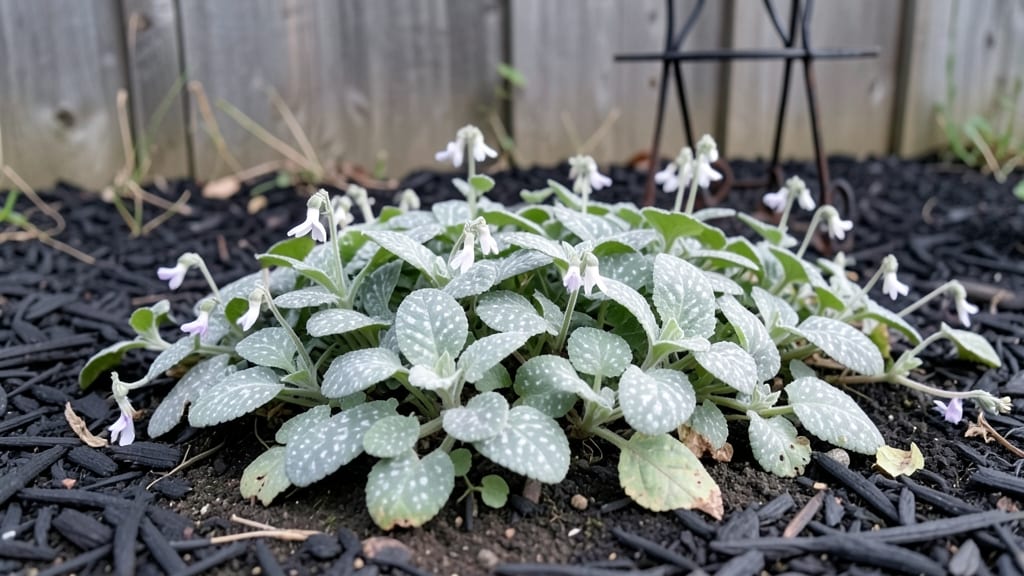
My goth garden began as a rebellion against bright borders—velvet-black roses, silver-blue foliage, and shadows that feel like poetry. 🌿 This isn’t just a garden; it’s a mood, a story told through deep purples, inky stems, and plants that thrive in dappled light where others fade.
The key lies in layering textures: glossy Hellebores peeking through ferns, Black Baccara roses climbing iron arches, and Dahlias in bruise-colored blooms that catch the last light of dusk.
You don’t need a sprawling yard—just a corner where the sun lingers just long enough to paint everything in moody golds and purples. Start with three signature plants: a dark-leaved Heuchera for ground cover, Lamium for trailing silver, and Cimicifuga (bugbane) for towering, ghostly plumes.
Add weathered stone statues or antique lanterns to deepen the atmosphere, and let the plants do the rest—their drama needs no script.
By autumn, your garden will feel like a living poem, where every leaf and bloom whispers secrets. The scent of night-blooming Four O’Clocks mingles with the earthy musk of Actaea (bugbane), and frost-kissed Hellebores become jewels against bare branches.
This isn’t just gardening; it’s creating a sanctuary for the soul—dark, romantic, and utterly alive.
Works year-round with seasonal swaps: replace summer dahlias with Colchicum (autumn crocus) in fall, and let bare branches host wreaths of dried Eucalyptus or Pampas grass in winter. The magic is in the details—now go make it yours.
📚 In This Guide
- What you need
- Instructions
- Tips and common mistakes
- Wrapping up and next steps
What you need
- ● Dark foliage plants (5–10+): Black Mondo Grass (Ophiopogon planiscapus 'Nigrescens') – 3–5 plants
- ● Purple Smoke Bush (Cotinus coggygria 'Royal Purple') – 1–2 mature shrubs
- ● Heuchera ('Plum Pudding' or 'Black Beauty') – 5–7 plants
- ● Dwarf Mondo Grass ('Black Scallop') – 3–5 plants
- ● Moss & ground cover (for texture): Sheet Moss (Hypnum imponens) – 10–15 sq. ft.
- ● Ivy (Hedera helix) – 3–5 vines (for trailing drama)
- ● Structural elements: Wrought-iron trellises or arches (1–2)
- ● Black metal or stone garden ornaments (e.g., gargoyles, crosses, or vintage keys)
- ● Antique lanterns or candelabras (solar-powered for safety)
- ● Essential tools: Garden trowel & pruners (sharp, sterilized)
- ● Gloves (heavy-duty for moss/soil work)
- ● Wheelbarrow or garden cart
- ● Measuring tape & string (for layout)
- ● Soil pH tester (aim for acidic 5.0–6.5 for dark foliage)
- ○ Optional (but highly recommended): Compost & peat moss (for amending heavy clay soil)
- ● Slow-release fertilizer (high in iron for deep greens/blacks)
- ● Black mulch (volcanic rock or dyed bark)
- ● Spray bottle (for misting delicate moss)
- ● 🌡️ Location matters: Choose a spot with partial shade (dark foliage burns in full sun!).
- ● ✨ Layer lighting: Add black LED string lights or flickering candles for a haunting glow at dusk.
- ● 🎯 Thrift stores are goldmines! Hunt for vintage black-painted pots or ornamental ironwork to keep costs low.
Instructions for crafting a darkly romantic layered garden
Here’s how to create a gothic-inspired garden that thrives on drama and texture.
🌿 Step 1: Plan Your Moody Plant Palette
Start by selecting plants with deep, velvety foliage and striking contrasts. I gravitate toward black mondo grass for its dramatic, almost metallic leaves, purple smoke bush for its smoky purple blooms, and heuchera in deep burgundy or black hues. These plants create the gothic foundation with their rich, velvety textures.
Add silver lace vine or lamium for a ghostly, ethereal contrast that softens the darkness. These lighter foliages prevent the space from feeling too heavy. Sketch a rough layout—group plants by height, with taller specimens like black bamboo or pampas grass at the back and lower, spreading plants like ajuga or heuchera in the front.
🪴 Step 2: Layer Soil and Mulch for a Haunting Aesthetic
Use 3 inches of rich, well-draining soil mixed with 2 inches of compost to ensure your dark plants thrive. I swear by a blend of peat moss and perlite for moisture retention without suffocating roots. This keeps the soil dark and fertile, which is key for deep foliage.
Top with 2 inches of dark mulch, like shredded bark or black rubber mulch, to maintain that gothic vibe while suppressing weeds. Avoid bright mulches—they’ll clash with the moody palette. Water thoroughly after planting to settle the soil and encourage root growth.
☀️ Step 3: Position for Dramatic Lighting
Gothic gardens thrive in partial to full shade, where foliage stays deep and rich. Place taller plants like black bamboo or purple smoke bush where they’ll cast long shadows, creating a natural dappled effect. If your space gets morning sun, orient the garden to catch the golden light on silver foliage before it fades into shade.
Add string lights or solar-powered lanterns for an eerie glow at dusk. I like to weave them through taller plants like black mondo grass or heuchera to create a whimsical, enchanted feel. This lighting transforms the space into a romantic evening retreat.
✂️ Step 4: Prune and Shape for Whimsical Drama
Prune black mondo grass and heuchera to encourage bushier growth, cutting back leggy stems in early spring. I always leave a few straggly branches on purple smoke bush for texture—this adds to the garden’s wild, untamed charm. Trim ajuga or lamium to fill in gaps and keep the ground cover dense.
Add ornamental grasses like miscanthus or feather reed grass for movement and height. Let them grow naturally for a few seasons before shaping—this builds the garden’s character. A few black-painted garden stakes or wrought-iron trellises can elevate the gothic theme while providing structure.
💧 Step 5: Maintain Moisture and Mystery
Water deeply 2-3 times per week, ensuring the top 2 inches of soil stay moist but not soggy. Dark foliage plants like heuchera and mondo grass appreciate consistent moisture but will wilt if left waterlogged. I use a drip irrigation system hidden beneath mulch to keep watering effortless and elegant.
Add a small water feature, like a black stone fountain or a shallow dish with still water, to amplify the gothic ambiance. The sound of trickling water and the reflective surfaces create a serene, mystical atmosphere. Keep the area around the feature clear of debris to maintain its haunting beauty.
Tips & tricks for perfecting your darkly romantic garden
A few subtle strategies can elevate your gothic garden from merely moody to magically immersive. These details make all the difference in creating that perfect hauntingly romantic atmosphere.
Plant Placement for Maximum Drama: In Step 1, when arranging your plants by height, consider their seasonal growth patterns too. I always position black bamboo or pampas grass slightly off-center to create visual tension—this prevents the garden from looking too symmetrical and adds that wild, untamed charm. The purple smoke bush should be the focal point, so place it where it will receive filtered light through taller neighbors, allowing its smoky blooms to glow when backlit.
Soil Science for Deep Foliage: The 3-inch soil layer in Step 2 isn't just about depth—it's about creating that rich, almost velvety texture we want. I blend my peat moss and perlite at a 2:1 ratio (peat moss dominates) to maintain that dark, fertile appearance while ensuring proper drainage. Pro tip: Add a handful of blood meal to the soil mix for a subtle nutrient boost that enhances the deep burgundy hues of heuchera. This tiny addition makes a noticeable difference in color intensity.
Lighting Layering Technique: For Step 3's dramatic lighting, think beyond just string lights. I recommend installing solar-powered lanterns at varying heights—some nestled among the black mondo grass, others suspended above the silver lace vine. This creates a dappled light effect that mimics moonlight filtering through gothic architecture. The key is to have some light sources hidden and others visible, creating that mysterious glow that appears to emerge from within the garden itself.
Pruning with Purpose: When shaping your plants in Step 4, remember that less is often more for this aesthetic. Instead of shearing black mondo grass into perfect rectangles, leave some natural, slightly wild edges—this adds texture and depth. For the purple smoke bush, strategically leave a few branches slightly longer than others to create that "just plucked from a haunted forest" look. This intentional imperfection is what makes gothic gardens feel alive and mysterious.
Pro Tips for The Goth Garden
- A few subtle strategies can elevate your gothic garden from merely moody to magically immersive.
- Plant Placement for Maximum Drama: In Step 1, when arranging your plants by height, consider their seasonal growth patterns too.
- Soil Science for Deep Foliage: The 3-inch soil layer in Step 2 isn't just about depth—it's about creating that rich, almost velvety texture we want.
Frequently asked questions
What plants are best for a Goth Garden?
A true Goth Garden thrives on moody, textured foliage and eerie blooms. Start with deep purples, blacks, and velvety greens like Heuchera (coral bells), Lamium maculatum (dead nettle), and Ophiopogon planiscapus (black mondo grass). Add drama with Belladonna (deadly nightshade) or Datura for a touch of the macabre—just handle with care!
How long does it take to see results?
Patience is key in gardening! Most perennials establish roots within a season, but full impact takes 1–2 years. Annuals like Black Baccara zinnias or Purple Majesty dahlias deliver instant drama. For a Goth Garden vibe, focus on layering textures—think moss, ferns, and dramatic shrubs—to build depth over time.
Can I create a Goth Garden in full sun or shade?
Shade-loving plants like Hosta (with variegated or deep green leaves), Ferns, and Lungwort thrive in low light, while sun-tolerant picks like Black Lace Elderberry or Purple Smoke Bush handle full sun. Mix both for a balanced, atmospheric look—just adjust watering (shade plants need less).
Are there non-toxic alternatives for a safer Goth Garden?
If you’re wary of toxic plants, skip Belladonna or Foxglove and opt for non-lethal but equally moody choices: Black Mondo Grass, Purple Coneflower, Japanese Anemone, or Crimson Spider Lily. Pair with structural elements like iron statues, dark mulch, or wrought-iron trellises for a gothic feel without the danger.
What’s the easiest way to maintain a Goth Garden?
Keep it low-effort with perennials (less replanting!) and mulch to suppress weeds. Prune dead foliage in early spring, and fertilize lightly in spring/fall. For extra drama, add dried flowers or black gravel to pathways. Pro tip: Group plants by water needs to simplify care!
How can I add gothic decor without overwhelming the plants?
Balance is key! Start small with subtle touches: weathered statues, antique lanterns, or black-painted pots. Avoid clutter—focus on one statement piece (like a wrought-iron arch) and let the plants do the rest. Think “haunting elegance,” not “junkyard chic.”
Wrapping up and next steps
The Goth Garden isn’t just a trend—it’s a vibe, a love letter to the dramatic, the mysterious, and the beautifully macabre. By blending moody foliage, dark romance, and a touch of whimsy, you’ve unlocked a space that feels like a secret escape into another world. 🌿✨
Now that you’re armed with the materials, tips, and answers to bring your vision to life, it’s time to dig in—literally! Start small: sketch a layout, gather a few signature plants, or even just a single gothic accent piece.
Every dark garden begins with a single seed of inspiration. What’s your first step?