
Tools
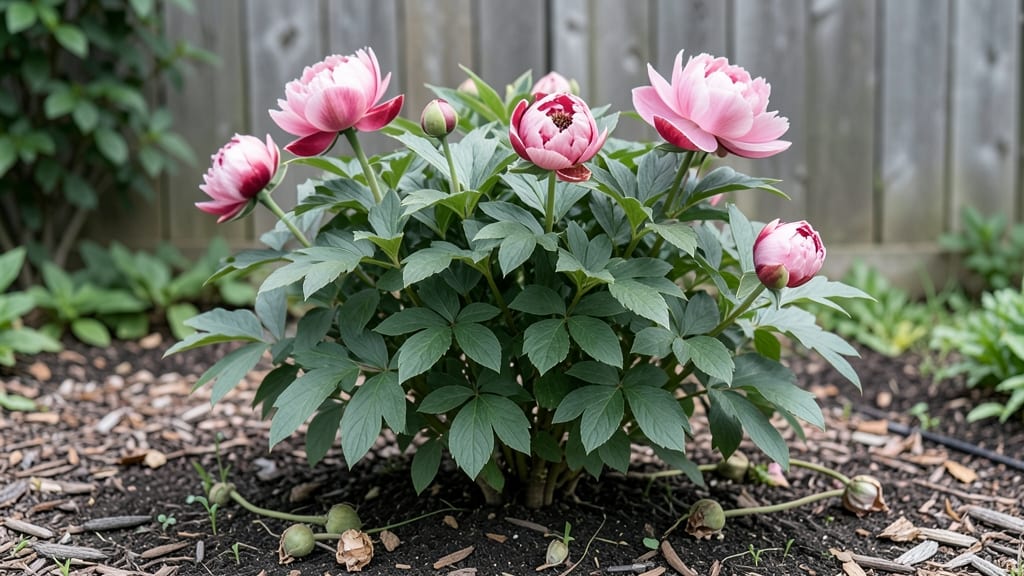
Creating a peony flower garden feels like inviting romance into your yard. These lush blooms—with their velvety petals and intoxicating fragrance—transform any space into a cottage garden straight out of a storybook.
The key is starting with the right varieties and placement, because peonies demand sunlight like they're basking in a love letter from the sun itself.
You’ll need 3-5 feet of space between each plant to give their roots room to spread, and full sun for at least 6 hours a day—they’ll reward you with blooms so bold they’ll make your neighbors do a double take.
Pair them with lavender for height contrast or salvia for a pop of blue that makes the pinks and whites sing even louder. The best part? Once established, they’ll bloom for decades with almost no fuss.
Imagine June mornings when the air smells like honey and the garden is alive with bees buzzing around clouds of pink and white. These aren’t just flowers—they’re the centerpiece that turns a simple yard into a memory-worthy retreat.
And because they come back year after year, you’ll never need to replant, just admire.
Whether you’re lining a walkway, framing a patio, or filling a mixed border, peonies bring drama without the high-maintenance reputation. They’re the kind of plants that make gardening feel like a labor of love—literally. Ready to turn your corner of the world into a romantic escape?
📚 In This Guide
- What you need
- Instructions
- Tips and common mistakes
- Wrapping up and next steps
What you need
- ● Peony plants: 5–15 bare-root or potted peonies (choose herbaceous or tree varieties based on your climate).
- ● Well-draining soil: 10–20 cubic yards of loamy soil mixed with compost (avoid heavy clay).
- ● Organic fertilizer: 5–10 lbs of 10-10-10 or 5-10-10 balanced fertilizer (spring and fall).
- ● Mulch: 2–3 cubic yards of wood chips or straw (2–3 inches deep).
- ● Drip irrigation system: 50–100 ft of tubing + emitters (or a soaker hose).
- ● Garden stakes: 6–10 bamboo or metal stakes (for support, especially for tree peonies).
- ● Shovel & spade: 1 medium-sized shovel + 1 border spade.
- ● Garden fork: 1 heavy-duty fork (for aerating soil).
- ● Pruners: 1 pair of bypass pruners (sterilized!).
- ● Wheelbarrow: 1–2 for transporting soil/mulch.
- ● Gloves & knee pads: 1 pair each (protection is key!).
- ● Measuring tape: 1 (for spacing plants 3–4 ft apart).
- ● Companion plants: 3–5 lavender, catmint, or daylilies (for color contrast).
- ● Decorative rocks: 1–2 bags of river rocks (for borders or pathways).
- ● Trellis or arbor: 1–2 (for climbing peony varieties like Paeonia lactiflora).
- ● Peony-specific food: 1–2 lbs of bone meal (for phosphorus boost).
- ● Frost cloth: 1 roll (to protect early blooms in cold climates).
Step-by-step instructions for planting a stunning peony flower garden
Peonies thrive with minimal fuss once planted correctly—here's how to create a garden that bursts with romance.
Choose the Perfect Planting Location
Peonies demand full sun—at least 6 hours daily—for the strongest blooms. I always scout my yard first, looking for spots where the ground stays moist but well-drained. Avoid low areas where water pools after rain, as soggy soil rots their roots. If your yard has heavy clay, amend the soil with 3-4 inches of compost before planting to improve drainage.
Test your spot by planting a few test peonies first. After a year, you'll see where the blooms thrive—those are your future garden's prime locations. Peonies also appreciate a bit of winter chill, so if you live in a mild climate, choose varieties labeled "early blooming" to ensure they get enough cold exposure.
Prepare the Soil for Healthy Root Growth
Peonies hate disturbed roots, so dig planting holes twice as wide as the root ball but only as deep as the crown (the swollen base where stems emerge). Use the 2 gallons of potting mix from your supplies to fill the bottom of the hole, mixing it with 1 cup of bone meal for extra phosphorus—this nutrient fuels those lush blooms. Bone meal also encourages strong root development right from the start.
Gently loosen the roots of your peony plants if they're tightly bound. Place each plant in its hole so the crown sits just below the soil surface—burying it too deep will delay blooming, while planting too high stresses the plant. Tap the soil lightly around the roots to remove air pockets, then water deeply to settle everything.
Space Plants for Future Beauty
Peonies spread over time, so give each plant 3-4 feet of space between neighbors. This prevents overcrowding and ensures every bloom gets proper airflow, reducing disease risk. I like to arrange them in loose clusters of 3-5 plants, creating natural drifts that look effortless. Mark the planting spots with stakes so you don't accidentally dig up a neighbor when adding compost later.
After planting, water again to 1 inch deep—this helps the soil settle and removes any air gaps around the roots. Mulch with 2-3 inches of shredded bark (from your supplies) to retain moisture and suppress weeds. Keep the mulch 2 inches away from the crown to prevent rot. Peonies establish slowly, so patience pays off—you'll see the first blooms in 2-3 years, but they'll reward you with decades of color.
Provide Ongoing Care for Long-Term Blooms
Peonies are low-maintenance once established, but they do appreciate regular watering during their first growing season. Water once a week if rainfall is light, aiming for 1 inch total each time. After the first year, they become drought-tolerant, but deep watering every 2 weeks keeps blooms vibrant. I always water at the base, avoiding the foliage to prevent fungal diseases.
Deadhead spent blooms by cutting the stem 1 inch above the first set of leaves—this redirects the plant's energy into next year's buds instead of seed production. In late fall, cut back the foliage to 6 inches tall and apply a 2-inch layer of mulch to protect the crowns from freezing temperatures. Peonies bloom on old wood, so never prune them back to the ground in winter.
Enjoy and Expand Your Garden
Peonies reach their peak in 5-7 years, but they keep producing stunning blooms for 50 years or more with proper care. I like to add a few fertilizer spikes (from your supplies) in early spring to keep them thriving—just follow the package instructions for timing. Every few years, divide large clumps in early spring to rejuvenate blooms and share plants with friends.
Watch for Japanese beetles, which love peony petals. Handpick them early in the morning when they're sluggish, or use a neem oil spray as a natural deterrent. With minimal effort, your peony garden will become the envy of the neighborhood—a living testament to nature's patience and beauty.
Tips & tricks for perfect peony flower garden planting
A few key insights will help you create a peony garden that thrives for decades. The details in planting and care make all the difference between a struggling patch and a showstopping display.
Location is Everything: That 6 hours of daily sun is non-negotiable for peonies. I've learned the hard way that even partial shade reduces bloom size and color intensity. If your yard gets less than 6 hours, consider container planting where you can move pots to follow the sun throughout the day. Also, avoid planting near large trees whose roots will compete for nutrients and moisture.
Soil Preparation Pays Off: The 2 gallons of potting mix mixed with 1 cup of bone meal creates the perfect nutrient-rich foundation. I always add an extra handful of bone meal if I'm planting multiple peonies—the phosphorus boost makes a noticeable difference in bloom quality. For heavy clay soil, mix in perlite or coarse sand to improve drainage, which prevents root rot that can kill peonies.
Planting Depth Matters: Getting the crown depth right is critical—just below soil level prevents stress while allowing proper air circulation. I use a small stake to mark the planting depth before removing the plant from its container. This visual guide helps me maintain consistency, especially when planting multiple peonies. After planting, I always do a final check by pressing gently on the soil around the crown—it should feel firm but not compacted.
Long-Term Care Strategy: The 2-3 inches of mulch you'll add after planting should be replenished annually in late fall. I use shredded hardwood mulch because it breaks down slowly while suppressing weeds. Remember to keep it 2 inches away from the crown to prevent moisture buildup that can cause rot. This simple maintenance step saves me hours of weeding and keeps the soil temperature stable for root health.
Pro Tips for Peony Flower Garden
- A few key insights will help you create a peony garden that thrives for decades.
- Location is Everything: That 6 hours of daily sun is non-negotiable for peonies.
- Soil Preparation Pays Off: The 2 gallons of potting mix mixed with 1 cup of bone meal creates the perfect nutrient-rich foundation.
Frequently asked questions
Got questions about creating your dream peony flower garden? You’re not alone! Here are some of the most common queries—plus straightforward answers to help you grow like a pro.
When is the best time to plant peonies?
Plant peonies in early fall (4–6 weeks before the ground freezes) or early spring (as soon as the soil is workable). Fall planting gives roots time to establish before winter, while spring planting works in milder climates. Avoid planting in extreme heat or drought conditions—peonies thrive with patience!
How much sun do peonies need?
Peonies love full sun (6–8 hours daily), but they can tolerate partial shade (4–6 hours), especially in hot climates. Too much shade? Fewer blooms. Too much scorching sun? Leaf scorch. Aim for a balance—morning sun with afternoon shade works wonders in tough climates.
Why aren’t my peonies blooming?
Peonies are slow to bloom—often taking 2–3 years to reach their full potential! Other culprits include:
- Over-fertilizing (focus on compost, not nitrogen-heavy feeds).
- Planting too deep (eyes should be just below soil level).
- Crowded roots (divide clumps every 5–7 years).
- Late frosts (blooms form the prior summer—protect them!).
Can I grow peonies in containers?
Yes! Use a large container (at least 12–18 inches deep) with well-draining soil and a sturdy trellis (their blooms can get heavy!). Choose dwarf varieties like ‘Sarah Bernhardt’ or ‘Bowl of Beauty’ for smaller spaces. Just remember: Containers dry out faster—water consistently and move pots to partial shade in peak summer.
Are peonies deer- or rabbit-resistant?
Not quite! While peonies aren’t a top snack, deer and rabbits may nibble on young shoots or leaves. Protect them with:
- Physical barriers (chicken wire or fencing).
- Repellents (like garlic spray or commercial deer deterrents).
- Companion planting (marigolds or lavender can help).
Wrapping up and next steps
Creating a peony flower garden is a labor of love that rewards you with breathtaking beauty and a touch of romance year after year.
Whether you’re a seasoned gardener or just starting out, peonies bring effortless elegance and a sense of accomplishment—plus, they’ll make your outdoor space the envy of the neighborhood! 🌸
Ready to dive in? Start small with a few plants, experiment with colors, and let your garden grow into a stunning masterpiece. Your dream peony garden is just a shovel’s throw away!