
Pests
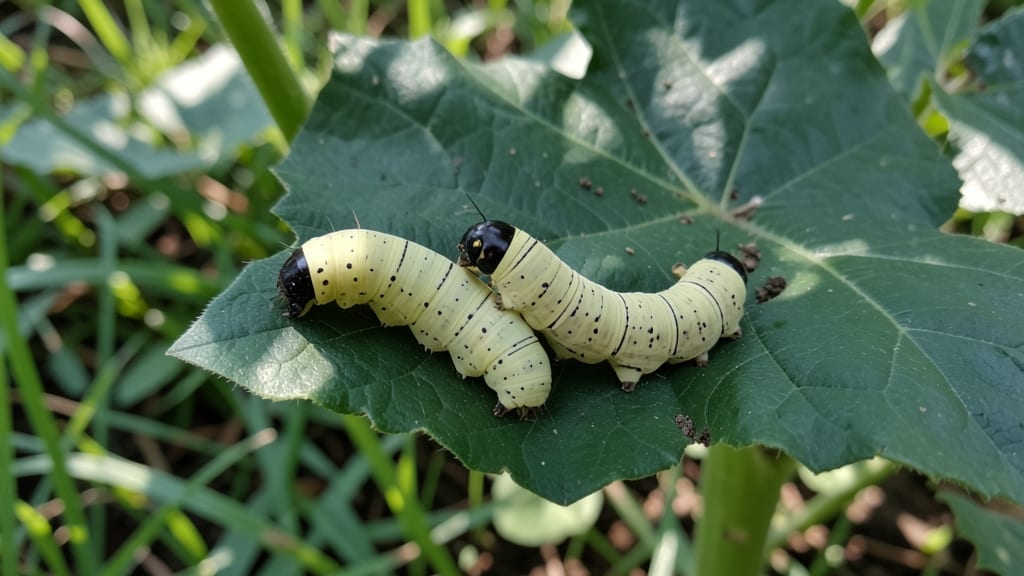
Caterpillars in your garden aren't just a nuisance—they can strip a tomato plant bare in days. 🌱 I spent years watching my prized heirloom tomatoes get skeletonized by hornworms, until I discovered these simple, chemical-free traps that actually work.
The key is understanding their life cycle and working with nature, not against it.
Most gardeners panic and reach for pesticides, but the real solution starts with identification—tomato hornworms, cabbage loopers, and tent caterpillars all behave differently.
Once you know what you're dealing with, you can use humane traps like pheromone lures, sticky barriers, or even a bucket of soapy water (yes, it works). The best part? These methods protect your plants and the beneficial insects that keep your garden thriving.
By the time you're done, you'll have a garden where caterpillars are rare visitors, not destructive pests. Your tomatoes will stay plump, your cabbage will stay intact, and you'll avoid the guilt of spraying chemicals near pollinators.
The secret isn't complicated—it's about timing, observation, and a few clever tricks that actually stop caterpillars in their tracks.
Works for vegetable gardens, flower beds, and even houseplants—no matter how many caterpillars you're dealing with. Let's get your garden back under control without the harsh stuff.
The Hidden Lures Behind Garden Munchers
Caterpillars don’t just appear in your garden by accident—they’re drawn there by a mix of natural triggers that turn your plants into their all-you-can-eat buffet. Understanding these causes helps you outsmart them before they devour your veggies or flowers. Here’s why your garden becomes caterpillar central:
Caterpillars are highly selective eaters, often targeting specific plants based on their life cycle and dietary needs. Some species, like the Tomato Hornworm or Cabbage Looper, have evolved to feast on just a few host plants. Here’s why your garden’s greens are so tempting:
- Leafy, tender plants: Caterpillars prefer young, soft leaves over mature, fibrous ones. Think basil, spinach, or newly sprouted beans—these are caterpillar crack. Pro tip: 💡 Harvest outer leaves regularly to remove their favorite snacks before they hatch.
- Chemical signals: Plants release volatile organic compounds (VOCs) when damaged, which can attract caterpillars (and their moth parents) from miles away. It’s like a dinner bell for pests!
- Monoculture gardens: Planting large blocks of the same crop (e.g., a whole row of kale) makes it easier for caterpillars to find and strip your plants. Diversity confuses them.
Most caterpillars start life as eggs laid by adult moths—and these moths are master strategists. They don’t lay eggs randomly; they choose spots where their babies will thrive. Here’s how they pick your garden:
- Warm, sheltered microclimates: Moths seek out cozy, humid spots to deposit eggs, like the undersides of leaves near drip lines (where water collects) or in dense foliage. Pro tip: 🌡️ Prune plants to improve airflow and reduce hiding spots.
- Moonlight and nighttime activity: Many moths are nocturnal and use the moon’s glow to navigate. Gardens with bright moonlight exposure (especially near water sources) become hotspots for egg-laying.
- Scent trails: Some moths follow pheromone trails left by other females or even the smell of fertilized soil—rich in nitrogen—to find the best laying grounds.
While caterpillars need moisture to survive, excess water in your garden creates the perfect breeding ground. Here’s how:
| Problem | Why It Attracts Caterpillars |
|---|---|
| Waterlogged soil | Encourages slugs and snails (which caterpillars eat) and softens leaves, making them easier to chew. |
| Drip irrigation or overhead watering | Creates damp leaf surfaces where moths lay eggs and caterpillars thrive. Pro tip: 🔥 Use drip lines at soil level to keep foliage dry. |
| Standing water in containers | Becomes a breeding site for mosquitoes and fungus gnats, which caterpillars (like the Tomato Fruitworm) may prey upon. |
A messy garden isn’t just unsightly—it’s an open invitation for caterpillars. Here’s how clutter plays into their plans:
- Debris and mulch piles: Decaying plant matter, fallen leaves, and thick mulch provide hibernation spots for moth pupae and shelter for newly hatched caterpillars. Pro tip: ✨ Rake up debris in fall and spring to disrupt their life cycle.
- Weeds as caterpillar highways: Many "weeds" (like dandelions or lamb’s quarters) are caterpillar favorites. They act as bridge plants, letting pests move from wild areas into your cultivated garden.
- Compost bins: While compost is great for soil, unfinished compost can harbor caterpillar eggs and larvae. Turn your pile regularly to heat it above 140°F (60°C)—this kills most pests.
Now that you know why caterpillars crash your garden party, the next step is turning the tables with humane, chemical-free solutions. Stay tuned!
Quick Fixes for Garden Munchers
Caterpillars may seem like tiny troublemakers, but their appetite for leaves, flowers, and veggies can quickly turn your garden into a buffet zone. 🌱🐛 The good news? You don’t need harsh chemicals to keep them in check.
Below are targeted, humane solutions tailored to the most common causes of caterpillar chaos—plus prevention tips to keep your garden thriving long-term.
Cause: Hungry larvae (like tomato hornworms or cabbage worms) devour foliage faster than you can say "pesticide." Fix It:
- 🍳 Handpick & Relocate 👨🍳
- Wear gloves and pluck caterpillars off plants in the early morning when they’re sluggish.
- Drop them into a bucket of soapy water (1 tbsp dish soap per gallon) or release them far from your garden (at least 50 feet away).
- Pro tip: 💡 Check the undersides of leaves—many caterpillars hide there!
- 🥘 Use Row Covers
- Lightweight fabric covers (like floating row covers) smother eggs and block adult moths from laying them.
- Secure edges with soil or bricks to prevent moths from sneaking underneath.
- Bonus: Works for cabbage worms, corn earworms, and more!
- 🔪 Introduce Beneficial Predators
- Ladybugs, lacewings, and parasitic wasps (like Cotesia glomeratus) naturally hunt caterpillars.
- Buy them online or attract them with neem oil sprays (non-toxic and repellent).
Cause: Species like tomato fruitworms or squash vine borers burrow into plants, causing wilting or rot. Fix It:
- 🔪 Cut & Burn Infested Areas ⏰
- Prune affected stems below the damage and dispose of them in a sealed bag (not compost).
- For vine borers, wrap the base of young plants with aluminum foil (10 inches high) to deter females from laying eggs.
- 🌡️ Heat or Cold Treatment
- For squash vine borers, place collars made of cardboard tubes around stems—borers can’t penetrate them.
- Alternative: 🔥 Soak infested stems in hot water (130°F+) for 30 minutes to kill larvae inside.
- 🎯 Trap Cropping
- Plant nasturtiums or marigolds near susceptible crops (like tomatoes). Caterpillars prefer these over your veggies!
Cause: Persistent moths keep laying eggs, leading to recurring infestations. Prevention Tips:
- ✨ Early Intervention
- Remove egg masses (look for tiny white clusters on leaf undersides) with a soft brush or soapy water.
- Example: Cabbage butterflies lay eggs in tight groups—check brassicas (kale, broccoli) weekly.
- 🌡️ Soil Health Boost
- Healthy plants resist pests better! Add compost and mycorrhizal fungi to strengthen roots.
- Avoid over-fertilizing with nitrogen—it attracts more moths.
- 🌙 Nighttime Patrols
- Moths are most active at dusk and dawn. Shake plants gently to dislodge eggs or use a UV light trap (like a moth zapper) to catch adults.
- ❌ Avoid broad-spectrum pesticides (like malathion)—they kill beneficial insects too.
- ❌ Don’t ignore early signs (chewed leaves, frass/droppings). Act fast!
- ❌ Skip organic sprays (neem, BT) if caterpillars are already established—use them preventively.
Final Thought: 🌟 Caterpillars are just doing their job—but with these low-effort, eco-friendly fixes, you can outsmart them without harming your garden’s ecosystem. Try one method this week and watch the difference!
Frequently asked questions
What are the most common caterpillars that attack gardens?
Tomato hornworms, cabbage loopers, and tent caterpillars are the top culprits. Tomato hornworms can defoliate plants in days, while cabbage loopers target brassicas like kale and broccoli. Tent caterpillars build silky webs and strip leaves from fruit trees.
How do I tell if caterpillars are damaging my plants?
Look for chewed leaves, frass (droppings), and silken webbing. Check undersides of leaves—many caterpillars hide there. Young larvae leave tiny holes, while larger ones create large, irregular tears.
Are there any natural predators that help control caterpillars?
Ladybugs, lacewings, and parasitic wasps (like Cotesia glomeratus) hunt caterpillars naturally. Birds and toads also eat them. Attract these helpers by planting dill, fennel, or marigolds—they provide habitat for beneficial insects.
Can I use soapy water to kill caterpillars?
Yes! Mix 1 tablespoon dish soap with 1 gallon water and spray directly on caterpillars. The soap breaks down their protective coating. For trapped caterpillars, drop them into this solution—they’ll dissolve within minutes.
Will row covers work for all types of caterpillars?
Row covers block adult moths from laying eggs but won’t stop caterpillars already on plants. Use them preventively during early planting. For existing infestations, combine covers with handpicking or neem oil sprays for best results.