Tools
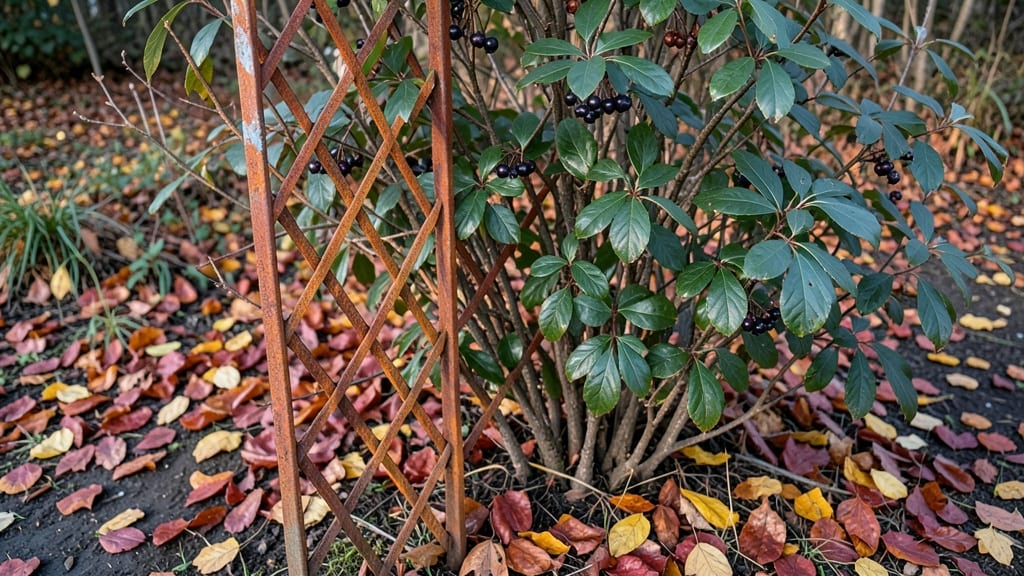
Reviving a rusted garden tool starts with acidic solutions like vinegar or baking soda paste to dissolve corrosion, followed by scrubbing with steel wool and thorough drying. Finish by applying protective oil or wax to extend its lifespan—tackle heavy-duty tools first for best results.
Rust forms when iron in metal reacts with oxygen and moisture, creating that familiar reddish-brown flake. 🔥 In garden tools, this process speeds up from soil minerals and humidity, especially in cast iron or steel.
The longer you wait, the harder it becomes to restore the tool's original strength—some tools may even develop weak spots that make them unsafe to use.
For stubborn cases, I recommend a 1:1 vinegar and water soak overnight, then scrubbing with 0000-grade steel wool—the finer grit handles delicate tools better. After drying completely, a light coat of mineral oil or carnauba wax creates a protective barrier against future moisture.
Always work in a well-ventilated area when using vinegar, as the fumes can be strong.
💡 In This Article
- Understanding Rust Formation in Garden Tools
- Best Rust Removal Methods for Different Garden Tools
Understanding rust formation in garden tools
Rust isn't just an eyesore—it's a chemical reaction called iron oxidation, where iron atoms in your tools combine with oxygen and water to form iron oxide (Fe₂O₃). This process starts with a thin layer of corrosion that expands as moisture and oxygen penetrate deeper.
In garden tools, the reaction accelerates because soil contains minerals like sulfur and chloride that act as catalysts, speeding up the breakdown of metal. Think of it like how salt speeds up rust on a car—except your garden tool gets submerged in a mineral-rich environment every time you use it.
The texture of rust changes as it progresses: early stages show fine orange powder, but over time, it becomes thick and flaky, creating weak spots in the metal.
Cast iron tools (like skillets or heavy-duty trowels) rust differently than carbon steel because their higher carbon content makes them harder but more prone to surface corrosion. Meanwhile, stainless steel tools resist rust better due to their chromium content, which forms a protective oxide layer.
Humidity levels above 60% dramatically increase rust formation—this is why tools left in damp sheds or rainy climates corrode faster than those stored indoors.
Organic matter plays a surprising role too. Plant debris trapped in crevices creates micro-environments with higher moisture and microbial activity, which further accelerates corrosion. For example, a rusted pruner left with leaf litter can develop 10x faster than one stored clean and dry.
The long-term damage isn't just cosmetic—rust weakens metal integrity, making tools brittle and prone to snapping under pressure. In extreme cases, rust can eat through 0.5mm of metal per year in harsh conditions, turning a sturdy shovel into a safety hazard.
Here's what most people overlook: the pH of your soil matters. Acidic soils (pH < 6.0) contain more hydrogen ions that react with iron, while alkaline soils (pH > 7.5) can also corrode metal through different chemical pathways. This is why tools used in vegetable gardens (often more acidic) rust faster than those in lawn areas.
The key to prevention lies in understanding these environmental factors—proper storage, regular cleaning, and protective coatings can extend your tools' lifespan by years.
Consider this: a tool with 20% surface rust may still function, but its structural integrity is compromised. The rust acts like a sponge, absorbing moisture that continues the corrosion process even when the tool appears dry.
This hidden corrosion is why some tools develop internal rust—what you see on the surface is just the beginning. The deeper the rust penetrates, the harder (and more expensive) it becomes to restore the tool's original strength.
What's actually happening at a microscopic level? Rust formation begins with iron atoms losing electrons to oxygen, creating iron ions that bond with oxygen and water molecules.
This electrochemical process continues as long as moisture and oxygen are present, which is why tools left outside overnight often show visible rust by morning. The good news? Understanding this process helps you choose the right restoration methods—targeting both surface rust and preventing future corrosion at its chemical roots.