Tools
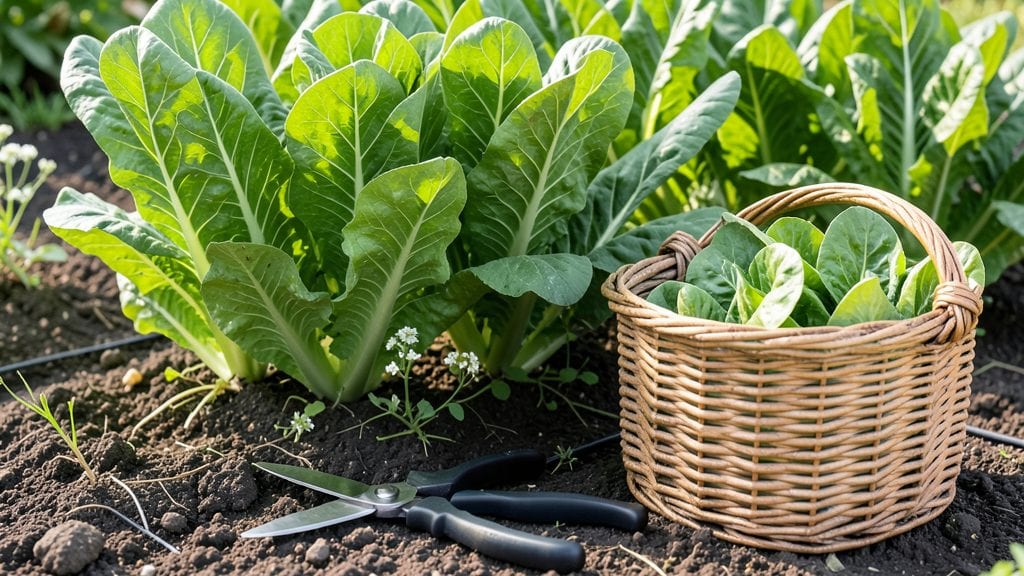
Victory gardens facts reveal how these small-scale plots produced nearly 40% of America's vegetables, fruits, and herbs during World War II by transforming backyards, rooftops, and even window boxes into productive farmland. Their success demonstrated how everyday citizens could contribute massively to national food security through collective effort.
These wartime gardens weren't just about growing food—they were a patriotic movement. 🌱 The U.S. government launched campaigns like "Grow Food for Freedom" to encourage participation, even distributing free seeds to families.
What's fascinating is how they optimized space: urban dwellers grew potatoes in sacks and tomatoes on balconies, while rural families expanded their plots. This grassroots effort proved that small-scale farming could have a huge impact when millions of people worked together.
What makes these gardens especially relevant today is their sustainability model. 💫 Modern urban farmers are rediscovering victory garden principles by using vertical growing systems and repurposing containers. The core idea—that anyone can grow food regardless of space—remains just as powerful now as it was during the war.
💡 In This Article
- How Victory Gardens Boosted Wartime Food Production
- Modern Victory Gardens: Reviving the Tradition Today
How victory gardens boosted wartime food production
The U.S. government launched an aggressive campaign to maximize food production through these gardens, starting with propaganda films like "Food Will Win the War" and distributing 30 million packets of free seeds in 1943 alone.
Posters urged citizens to "Plant a Victory Garden—Grow Your Own Food," while radio broadcasts featured gardening tips from experts. This national mobilization transformed even the smallest spaces into productive plots, with urban areas contributing 40% of all vegetables grown in the U.S. during the war.
Space optimization was key to their success. Urban gardeners utilized every available inch—rooftops grew lettuce and herbs, balconies held tomato plants in hanging baskets, and window boxes sprouted radishes and green onions.
Rural families expanded their plots, while community gardens in cities like Detroit produced 1.5 million pounds of food annually by 1944. The average urban garden measured just 300 square feet, yet yielded 20 pounds of produce per person per year, equivalent to a family's entire vegetable needs.
Crop selection focused on high-yield, easy-to-grow vegetables that thrived in limited spaces. Potatoes were a staple—grown in sacks or barrels—producing 10-15 pounds per square yard, while carrots and beets reached harvestable size in 60-70 days.
Tomatoes, especially compact varieties like 'Stupice,' yielded 20-30 pounds per plant when trellised. The government even encouraged growing dwarf fruit trees in containers, with apple varieties producing 50-100 pounds annually in urban settings.
What made these gardens so effective was their collective impact. With 20 million gardens nationwide, even small yields added up dramatically.
For example, if each garden produced just 1 pound of potatoes per week, that's 104 million pounds annually—enough to feed 1 million people for a year. The program also reduced shipping demands by 20%, freeing up rail cars for military supplies.
This grassroots effort proved that decentralized food production could rival large-scale agriculture during crises.
Beyond food, these gardens fostered community resilience. Neighborhoods shared tools and knowledge, while schools taught children about gardening. The movement even inspired war bond drives, where gardeners pledged to grow extra food to support soldiers.
This dual purpose—feeding families and the nation—made victory gardens a cornerstone of wartime survival. 💫
Today, we can see echoes of this strategy in modern urban farming movements. Just as WWII gardeners maximized small spaces, contemporary vertical farms and container gardens use similar principles to grow food sustainably.
The key lesson? Small-scale, community-driven agriculture can have massive impacts when organized strategically—a principle as relevant now as it was during the war.