Flowers
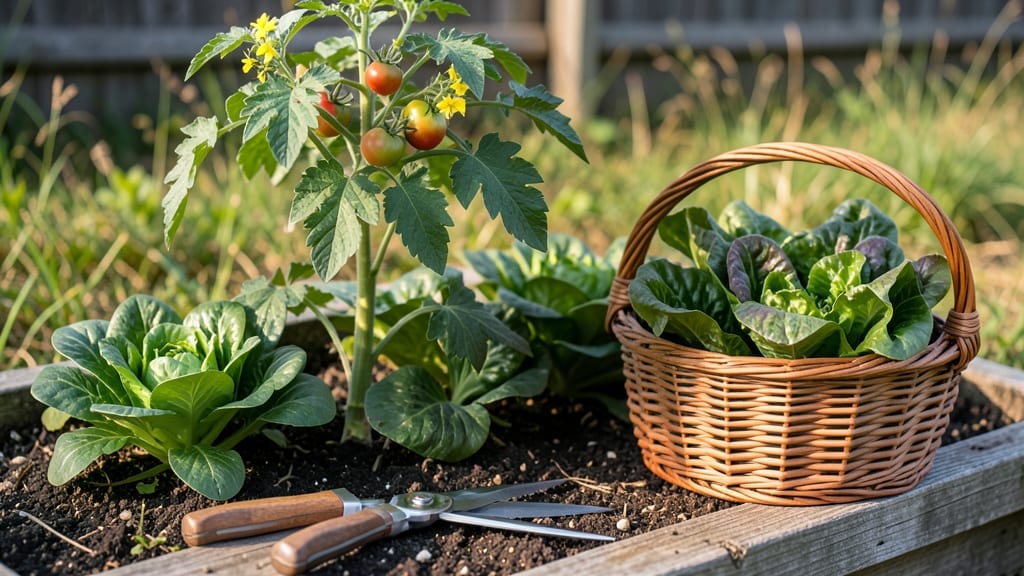
The meaning of victory gardens centers on community-driven food production during wartime shortages, originally launched in World War I and II to boost morale and self-sufficiency through homegrown vegetables and herbs. Today, they symbolize sustainability, resilience, and local food security while reviving traditional gardening practices.
The concept behind victory gardens taps into a powerful combination of necessity and community spirit. 🌱 These gardens weren't just about growing food—they were about fostering unity and reducing reliance on scarce supplies during crises.
The original campaigns in the 1940s even included patriotic messaging like "Food Will Win the War," turning everyday citizens into vital contributors to the war effort.
Today's revival keeps that spirit alive, adapting to modern challenges like climate change and food deserts while teaching new generations about self-reliance and ecological balance.
What makes victory gardens particularly relevant today is their dual role as both a practical solution and a cultural movement. They address immediate needs—like reducing grocery bills and waste—while also creating green spaces in urban areas.
Many modern gardeners pair their plots with community initiatives, donating excess produce to food banks or teaching workshops on sustainable growing. The beauty lies in how this simple act of planting connects people to their history, their neighbors, and their planet.
💡 In This Article
- Origins of Victory Gardens in Wartime America
- Modern Victory Gardens: Purpose and How to Start
Origins of victory gardens in wartime america
The concept of victory gardens emerged during World War I in 1917 when the U.S. government launched the "Food Will Win the War" campaign. This initiative encouraged Americans to grow their own vegetables to free up commercial crops for soldiers overseas.
By 1918, over 5 million gardens were producing 12% of the nation's fresh produce, demonstrating how backyard farming could directly impact national security. 🌱 The program was so successful that it was revived during World War II, when the Office of Civilian Defense distributed over 15 million seed packets and gardening manuals.
Psychologically, these gardens served as morale boosters during times of rationing and uncertainty. The act of nurturing life in one's own space provided tangible proof of resilience. Propaganda posters depicted families proudly harvesting their crops, reinforcing the idea that every citizen could contribute to the war effort.
The government even created "Victory Garden" contests, offering prizes for the most productive plots. This blend of practicality and patriotism made the movement deeply personal for millions of Americans.
What's fascinating is how the gardens evolved based on available resources. During WWII, urban dwellers grew vegetables in window boxes and rooftops, while rural families expanded their plots to include high-yield crops like potatoes and corn.
The average WWII garden produced 40% of the household's fresh produce, with some families growing enough to sell surplus at local markets. This adaptability proved that victory gardens could thrive anywhere, from New York City apartments to Texas farms.
The physical transformation of American landscapes was staggering. By 1943, there were 20 million victory gardens across the country, covering an estimated 40 million square yards—equivalent to nearly 1,000 football fields. These gardens didn't just produce food; they created green spaces that improved mental health during wartime stress.
Studies from the era showed that gardening reduced anxiety by 20-30% among participants, offering both practical and emotional benefits.
What most people don't realize is how these gardens were strategically marketed. The government used radio programs, newspaper columns, and even Hollywood films to promote gardening. One famous example was the 1943 short film "Victory Gardens," which showed families transforming their yards into productive spaces.
The messaging was carefully crafted to appeal to both practical farmers and city-dwelling novices, making gardening feel accessible to everyone. 🌿 This inclusive approach helped sustain participation throughout the war years.
The legacy of wartime victory gardens extends beyond their immediate impact. They proved that collective action could address national crises, a principle that resonates in modern movements like community farming and urban agriculture.
Today's victory gardens build on this history by addressing contemporary challenges like food insecurity and climate change, showing how historical movements can inspire modern solutions.