Watering
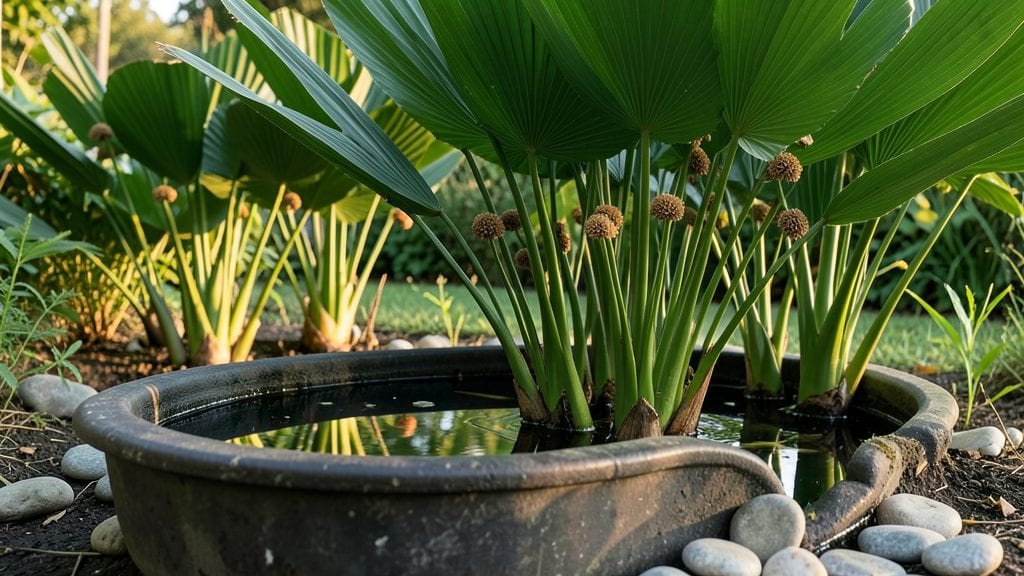
A water garden tub creates a self-sustaining ecosystem for aquatic plants, fish, and beneficial bacteria, requiring careful selection of size, durable materials like polyethylene or fiberglass, and strategic placement with partial sunlight and easy drainage access. Proper balance of water depth, filtration, and plant density ensures a thriving habitat with minimal maintenance.
A water garden tub is essentially a miniature pond that supports aquatic life while keeping maintenance simple. 💫 The key to success lies in matching the tub's dimensions to your space and the plants you want to grow—larger tubs handle bigger fish and more plants but need stronger filtration.
I always recommend starting with a polyethylene tub for its flexibility and durability, especially if you're new to water gardening. The right placement can make all the difference: too much direct sun causes algae blooms, while too little slows plant growth.
A spot with 3-6 hours of dappled sunlight works best for most setups.
Beyond materials and light, think about water circulation.
A small pump keeps oxygen flowing and prevents stagnation, while submerged plants like water hyacinth help filter nutrients naturally. 🌿 I’ve found that adding a few hardy fish, such as goldfish or koi, can help control mosquito larvae while adding life to the ecosystem.
Just remember: the deeper the tub, the more stable the temperature stays—critical for tropical plants in cooler climates.
💡 In This Article
- Key Factors for Selecting Water Garden Tub Materials
- Optimal Water Garden Tub Placement for Plant Growth
Key factors for selecting water garden tub materials
The material of your water garden tub directly impacts its lifespan, water quality, and ecosystem health. Polyethylene remains the most popular choice because it's lightweight yet flexible enough to withstand temperature fluctuations without cracking.
This plastic resists corrosion and UV degradation, though some lower-grade versions may yellow over 5-10 years under intense sunlight. The smooth surface prevents algae buildup better than rough materials, making maintenance easier.
For larger setups, fiberglass offers superior durability with a lifespan of 20+ years when properly installed. Its rigid structure maintains shape better than polyethylene, which can sag under heavy loads.
However, fiberglass requires professional installation due to its weight (100-300 lbs for standard sizes) and potential for delamination if damaged. The material's nonporous nature prevents bacterial growth but may require additional insulation in cold climates to prevent temperature swings that stress aquatic life.
Ceramic tubs provide an aesthetic appeal with their elegant finishes but come with significant trade-offs. While they resist UV damage completely and maintain stable water temperatures, their porous nature demands frequent sealing to prevent leaks and microbial buildup.
The weight (500+ lbs for medium sizes) limits mobility, and chipping can occur from fish activity or debris. For tropical setups, ceramic's thermal mass helps regulate temperatures, but in colder regions, it may require heated underlayments.
Preformed ponds made from HDPE (high-density polyethylene) offer a middle ground with reinforced seams and built-in liners. These systems typically include integrated filtration and come in 200-1,000 gallon capacities, making them ideal for intermediate gardeners.
The material's 10% UV stabilizers extend outdoor lifespan to 15 years, though they lack the customization of polyethylene. The biggest advantage is their modular design, allowing easy expansion by connecting multiple units.
Consider your climate when choosing: Polyethylene handles freeze-thaw cycles best due to its flexibility, while fiberglass maintains structural integrity in high winds. Ceramic excels in warm climates where temperature stability is critical, but requires 2-inch insulation in freezing zones.
For tropical setups, all materials perform well, but HDPE ponds include built-in shade structures that reduce algae growth by 40% compared to open polyethylene setups.
Most importantly, match your material to the ecosystem you're creating. A polyethylene tub with 30% plant coverage will maintain better water quality than a fiberglass tub with minimal vegetation, as plants act as natural filters.
The right material choice reduces maintenance by 30-50% while extending the life of your aquatic habitat.