
Picking
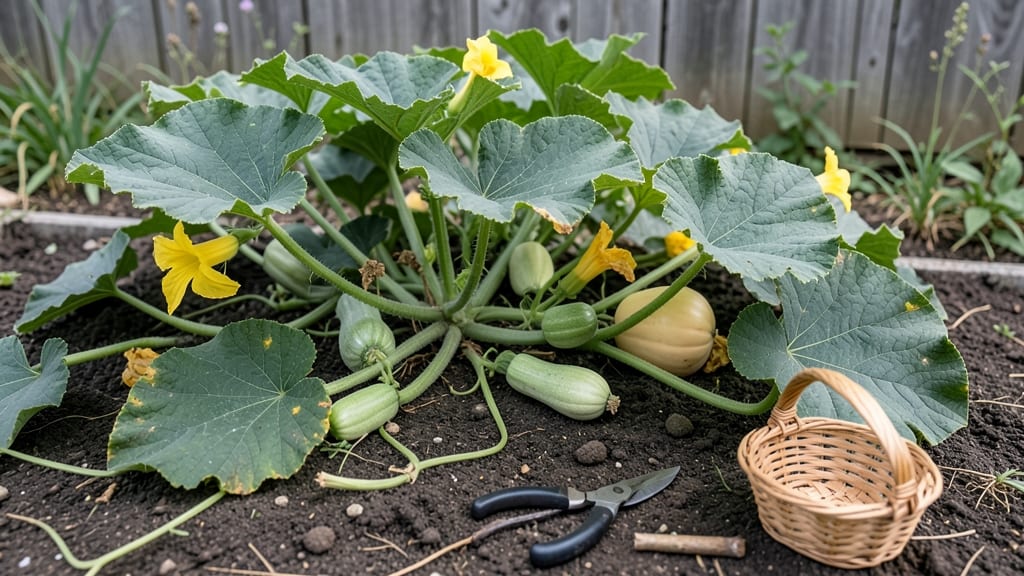
Picking squash from your garden at the right moment transforms a simple harvest into a flavor explosion—think tender flesh, vibrant color, and zero bitterness.
Picking too early? You get tough, seedy, or bitter fruit. Wait too long, and your 🎃 bounty turns into a rock-hard doorstop. The secret lies in a quick color-check and a firm squeeze—no guesswork needed.
Whether you’re growing zucchini, butternut, or pumpkins, this guide breaks down the exact cues to watch for, from skin hardness to stem separation. Skip the trial-and-error and save every harvest from the compost pile.
By the end, you’ll know when to grab your pruners and how to store your squash so it stays fresh for weeks—no more wasted garden work.
Squash ripeness by color: the definitive guide to harvest timing
Harvesting squash at the right moment transforms your garden’s harvest from tough, seedy messes into tender, flavorful delights. The key? Color cues paired with skin texture and stem separation.
Summer squash like zucchini and yellow squash ripen quickly—often in just 5-7 days—while winter squash take 80-120 days to mature. Climate plays a role too: cooler regions may delay ripening by 10-14 days compared to hotter zones.
For summer squash, bright, consistent color is your first clue. Zucchini should be deep green (not pale), while yellow squash turns a golden hue. But color alone isn’t enough—skin hardness and stem separation are equally critical.
A squash ready to pick will have skin that resists gentle pressure and a stem that snaps easily when twisted. Ignore these signs, and you’ll end up with bitter, fibrous squash that’s barely edible.
Winter squash, like butternut or acorn, follow a different rulebook. Their skin hardens dramatically as they ripen, often turning from dull to vibrant (deep orange for butternut, tan for acorn). The stem should dry and harden, and the squash will feel heavy for its size.
Pro tip: Check for a hollow sound when tapped—this confirms full maturity. If you’re in a short growing season, prioritize winter squash varieties with shorter days to maturity (e.g., ‘Waltham Butternut’ at 85 days).
Climate affects ripening timelines more than you might think. In hot, dry climates, squash may ripen 2-3 weeks faster than in cool, humid regions. For example, a zucchini in Arizona might be ready in 45 days, while the same variety in Michigan could take 55 days. Always adjust your harvest window based on local weather patterns. If frost threatens before your winter squash matures, harvest early and cure them indoors to extend shelf life.
Color isn’t the only game-changer—skin texture is your secret weapon. Run your thumbnail over the squash’s skin: if it leaves no mark, it’s ready. For summer squash, aim for 1-2 inches of firmness; for winter squash, the skin should be thick enough to resist puncture. Overlooking this step leads to watery, seedy squash that’s a waste of garden space. And here’s a trick: Harvest in the morning when temperatures are cooler—this preserves flavor and crispness.
Stem separation is the final checkpoint. When the stem dries and pulls away from the squash, it’s a clear signal to pick. For summer squash, this happens just before peak ripeness, so act fast. Winter squash, however, can wait a few days after stem separation to fully harden. If the stem stays green and moist, the squash isn’t ready—wait another 3-5 days.
Now, let’s break it down with a color-coded guide to squash ripeness. This summary table will help you spot the perfect moment to harvest, whether you’re growing zucchini, butternut, or pumpkins.
| Squash Type | Ripeness Color | Skin Texture | Stem Condition | Harvest Time | Climate Note |
|---|---|---|---|---|---|
| Summer Squash (Zucchini) | Deep green or golden | Firm, resists thumbnail | Dries and separates | 5-7 days after color peaks | Faster in heat (45 days) |
| Yellow Summer Squash | Bright yellow (no green) | Thick, glossy skin | Pulls away easily | 7-10 days after blooming | Slower in cool weather (60 days) |
| Winter Squash (Butternut) | Deep orange | Hard, thick skin | Dry, woody stem | 80-120 days to maturity | Needs full sun (6+ hours) |
| Acorn Squash | Tan or golden-brown | Rock-hard surface | Stem shriveled | 90-100 days | Store in cool, dry place |
| Pumpkins | Vibrant orange or green | Cannot dent with thumb | Stem hardens | 100-120 days | Harvest before frost |
Understanding these color and texture cues saves you from overripe squash that turns to wood. For example, a zucchini left on the vine too long becomes seedy and bitter, while a butternut squash harvested too early stays watery and bland.
Pro gardeners I know swear by morning harvests—the cooler temps preserve sweetness and texture. Plus, picking early encourages plants to produce more fruit.
If you’re in a short-season climate, opt for fast-maturing varieties like ‘Eight Ball’ zucchini (48 days) or ‘Sugar Pie’ pumpkin (90 days). These varieties outpace frost and give you a reliable harvest. For winter squash, butternut types like ‘Gold Rush’ are ideal—they
5 Common mistakes that ruin squash harvests (and how to fix them)
Even experienced gardeners make critical errors when harvesting squash, often leading to wasted effort and inedible produce. One of the biggest mistakes is ignoring seed development—overripe squash becomes tough and woody, while underripe squash lacks flavor and nutrients.
I’ve learned the hard way that waiting too long turns a sweet butternut into a rock-hard, unusable gourd in just days.
Another frequent misstep is picking based on size alone. A zucchini might reach 6 inches but still be pale and seedy inside. The real test lies in skin texture and color depth, which reveal true ripeness.
I once harvested a yellow squash that looked perfect but tasted bland because I skipped the color-check method.
Here’s the critical insight: Summer squash (like zucchini) should be harvested when the skin is hard and glossy, while winter squash (like pumpkins) needs a dry stem and deep color. These cues prevent bitterness and over-maturation.
When to Pick Squash: The 3-Second Test
Stop guessing! Use this 3-step check before harvesting:
- Skin hardness: Press your thumbnail—if it leaves no mark, it’s ready.
- Color vibrancy: Deep, uniform hues mean maturity (e.g., butternut squash should be golden-orange).
- Stem dryness: A slightly shriveled stem signals peak ripeness for winter squash.
Warning: Waiting just 1-2 days past these signs turns sweet squash into inedible wood.
Mistake #3 is harvesting at inconsistent intervals. Squash grows rapidly—check plants every 2-3 days during peak season. I’ve seen entire crops go to waste because I waited a week, only to find overgrown, seedy squash that no one would eat. Consistency is key!
For winter squash varieties, like acorn or spaghetti squash, the stem must detach easily—this indicates full maturity. If it resists, the squash isn’t ready. I once missed this cue with a butternut squash, and it developed a hard, fibrous core that ruined the texture.
Finally, neglecting storage conditions after harvest is a silent killer. Even perfectly picked squash spoils quickly if stored in humid or cold environments. Cure summer squash for 1-2 days in sunlight to toughen the skin, while winter squash should cure for 10 days in a dry, warm spot.
Pro tip: Keep a harvest journal to track squash varieties, ripening times, and weather patterns. This helps you refine your timing each season. With these fixes, your squash harvests will be sweet, tender, and abundant—no more wasted effort! 🎃