Tools
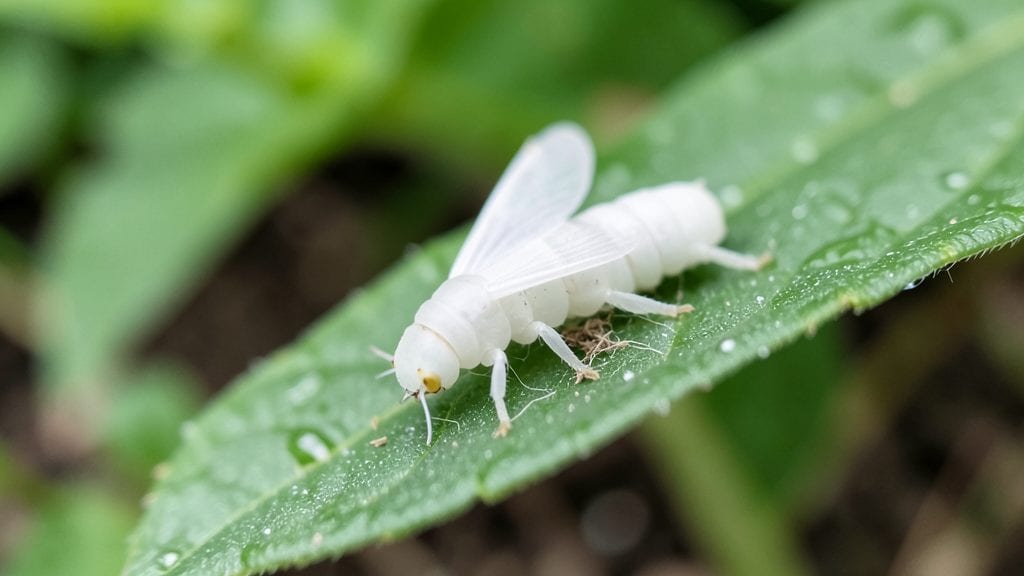
White garden insects like aphids, whiteflies, and mealybugs can turn your thriving plants into sticky, weakened messes in no time. 🌿 I’ve battled these pests for years—until I discovered a soapy water spray that clears them out in minutes without harsh chemicals.
The key? A mix that’s strong enough to disrupt their waxy coating but gentle enough for your plants.
Most gardeners reach for pesticides first, but these tiny invaders develop resistance fast. My foolproof spray uses just 1 tablespoon of mild liquid soap per quart of water, applied directly to infested leaves.
It’s a game-changer for organic gardens, and it works on everything from roses to veggies. The secret? Reapply every 3–5 days until the pests vanish completely.
You’ll see results within 24 hours—no more sticky residue, no more wilting leaves. The spray even prevents future infestations by discouraging new pests from settling in. Plus, it’s safer for bees and beneficial insects than chemical sprays, so your garden stays balanced.
Works in any climate and requires just 5 minutes of prep. Whether you’re dealing with a sudden outbreak or want to stay ahead, this is the one tool that saves your plants without the fuss. Let’s get those pests gone for good!
Root Causes Of White Garden Invaders
White garden insects—whether they’re fluttering cabbage moths, fuzzy aphids, or ghostly mealybugs—don’t just appear out of nowhere. Their presence is usually a sign of underlying conditions in your garden ecosystem. Understanding these triggers can help you address the problem at its source, not just the symptoms.
Below are the most common reasons why these pests show up in your plants, along with the science behind their behavior.
Plants under stress—whether from nutrient deficiencies, poor drainage, or overcrowding—emit volatile organic compounds (VOCs) that act like dinner bells for white insects. These pests, including whiteflies and aphids, are drawn to weakened plants because they lack the natural defenses of healthy foliage.
- Why it happens: Stressed plants produce higher levels of sugars and amino acids in their sap, making them more appealing to sap-sucking insects.
- Actionable fix:
- Prune overgrown plants to improve airflow.
- Test soil pH and amend with compost to restore nutrients.
- Avoid overwatering—soggy roots attract fungal diseases, which further weaken plants.
White insects thrive in cluttered gardens where they can hide, breed, and spread undetected. Leaves, mulch, and plant debris create microclimates that protect pests from natural predators (like ladybugs or lacewings) and harsh weather. Mealybugs, in particular, love to nest in the crevices of dead leaves or under bark.
- Why it happens: Debris provides shelter from sprays, predators, and environmental stress, allowing populations to explode.
- Actionable fix:
- Regularly clean up fallen leaves, spent blooms, and plant waste—especially under plants and in mulch.
- Remove infected or heavily infested plants immediately to prevent cross-contamination.
- Use straw or clean mulch instead of leaf litter to reduce hiding spots.
White insects like whiteflies and scale insects flourish in warm, humid conditions because they struggle to regulate their body temperature. Greenhouses, shaded areas, and tropical climates create the perfect breeding grounds, while dry conditions slow their life cycles.
Even a single infested plant in a warm corner can become a hotspot.
- Why it happens: High humidity reduces evaporation, keeping pests hydrated and active year-round. Warmth also speeds up their reproduction cycles.
- Actionable fix:
- Improve air circulation with fans or strategic pruning.
- Avoid overhead watering—water at the base of plants instead.
- Use row covers or shade cloth in greenhouses to moderate temperature.
Gardens planted with only one type of crop (like a single row of tomatoes or peppers) create a buffet for white insects. Without diverse plantings, natural predators like parasitic wasps or hoverflies have fewer food sources, and pests can feast uninterrupted. Plus, monocultures lack the chemical diversity that repels insects.
- Why it happens: Pests adapt to specific host plants, and large, uniform plantings make it easier for them to find and colonize.
- Actionable fix:
- Introduce companion plants (e.g., marigolds, basil, or nasturtiums) to disrupt pest cycles.
- Rotate crops seasonally to break the life cycle of soil-borne pests.
- Plant native wildflowers to attract beneficial insects that prey on white pests.
💡 Pro Tip: If you’ve ruled out stress, debris, and climate but still see white insects, check for chemical imbalances in your soil. Excess nitrogen (from fertilizers) can make plants more susceptible to aphids and whiteflies. Balance your soil with phosphorus and potassium to bolster plant resilience.
Quick Fixes for Garden Pests
If your garden is under siege by white insects—whether they’re aphids, mealybugs, or scale—don’t panic. These tiny troublemakers can be banished with the right approach, and many solutions are as simple as mixing a few household ingredients.
Below, we’ll tackle the most common causes of white garden invaders and match them with easy, effective fixes—plus tips to keep them from crashing your garden party again.
Cause: These sap-sucking pests cluster on leaves, stems, and new growth, leaving behind sticky honeydew and stunted plants. Fix:1️⃣ Soapy Water Spray (Your New Best Friend) 🧼
- Mix 1 tablespoon of mild liquid soap (like Castile soap) or 1 teaspoon of dish soap with 1 quart of water.
- Add 1 teaspoon of neem oil (optional but powerful) for extra pest-repelling power.
- Spray directly on the insects (they’ll drop off within minutes). Repeat every 3–5 days until gone.
2️⃣ Blast Them Away 💨
- Use a strong stream of water from your hose to knock aphids off plants. Do this in the early morning so leaves dry quickly.
3️⃣ Introduce Predators 🐞
- Ladybugs, lacewings, and parasitic wasps love aphids. Buy or attract them with dill, fennel, or marigolds in your garden.
💡 Prevention Tip:
- Inspect new plants before bringing them home—aphids love hitchhiking!
- Encourage healthy growth with balanced fertilizer to make plants less appealing.
Cause: These fluffy white bugs hide in crevices, leaves, and roots, draining nutrients and spreading disease.
Fix:
1️⃣ Rubbing Alcohol Wipe-Down 🧴
- Dip a cotton swab in 70% isopropyl alcohol and dab each mealybug cluster. They’ll dissolve instantly!
- Best for small infestations or hard-to-reach spots.
2️⃣ Neem Oil Soak 🌿
- Mix 2 tablespoons neem oil + 1 teaspoon soap + 1 quart water.
- Spray thoroughly, focusing on undersides of leaves. Reapply every 5–7 days.
3️⃣ Beneficial Nematodes 🐛
- For root-bound mealybugs, water soil with beneficial nematodes (microscopic worms that kill pests naturally).
💡 Prevention Tip:
- Isolate infected plants immediately to stop the spread.
- Prune and dispose of heavily infested leaves in the trash (not compost).
Cause: These armored pests attach to stems and leaves, sucking juices and leaving a shiny, waxy residue.
Fix:
1️⃣ Scrape and Scrub 🧹
- Use a soft brush or toothbrush dipped in soapy water to physically remove scale.
- Focus on stems, branches, and leaf undersides.
2️⃣ Horticultural Oil Bomb 🛡️
- Apply horticultural oil (like dormant oil) in early spring or fall when temps are below 85°F.
- Covers insects in a suffocating film—reapply every 2 weeks.
3️⃣ Boiling Water Treatment 🔥 (For Small Plants)
- Pour boiling water directly on the soil of potted plants to kill scale hiding in the roots.
💡 Prevention Tip:
- Quarantine new plants for 2 weeks before introducing them to your garden.
- Keep gardens weeded—scale loves overgrown, stressed plants.
Follow this 3-step routine to keep your garden pest-free:
- Inspect Weekly 👀 – Check leaves, stems, and soil for early signs of white pests.
- Treat at First Sign 🛠️ – Don’t wait! Use soapy water or neem oil immediately.
- Boost Plant Health 🌱 – Healthy plants resist pests better. Water deeply, fertilize properly, and prune regularly.
Pro Tip: 🎯 Rotate treatments to prevent pests from building resistance. Mix up soapy water, neem oil, and beneficial insects for long-term success.
With these simple, chemical-free solutions, your garden will be back to thriving in no time—without a single white pest in sight! 🌿✨
Frequently asked questions
Why do white insects suddenly appear in my garden?
White insects like aphids or mealybugs thrive when plants are stressed from overcrowding, poor drainage, or nutrient deficiencies. They’re also drawn to warm, humid conditions and gardens lacking diversity. Check for yellowing leaves or sticky residue (honeydew) to confirm their presence.
Is soapy water safe for all plants?
Yes, but use mild liquid soap (like Castile) in small amounts—1 tablespoon per quart of water. Avoid harsh detergents, which can damage leaves. Test on a small area first, especially for delicate plants like succulents.
How often should I reapply the soapy spray?
Reapply every 3–5 days until the pests disappear. For severe infestations, add 1 teaspoon of neem oil to boost effectiveness. Stop once you see no new insects for 2 weeks—this ensures they’re fully eradicated.
Will this method harm beneficial insects like ladybugs?
No, if applied correctly! The soapy spray targets soft-bodied pests (aphids, mealybugs) but won’t harm ladybugs or lacewings when used as directed. For extra safety, spray in the early morning when beneficial insects are less active.
What if the white insects keep coming back?
Persistent pests often mean underlying issues like poor soil health or hidden infestations. Rotate treatments (try neem oil or horticultural oil), improve airflow, and introduce companion plants like marigolds. If the problem persists, test your soil pH—excess nitrogen attracts pests!