Pests
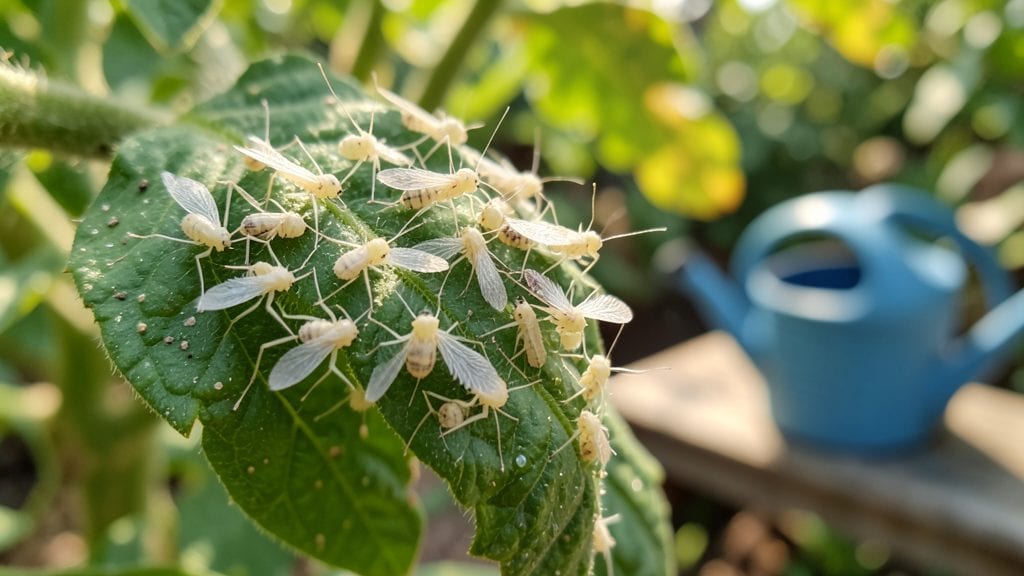
Whiteflies in garden turn your plants into sticky, sooty messes faster than you can say "aphid nightmare." I’ve battled these tiny white pests for years, and this one organic spray—made with just three ingredients—wipes them out in under 48 hours without harming your plants or pollinators.
The key? A homemade blend that disrupts their life cycle while being safe enough to spray in the evening when bees aren’t active.
Most gardeners panic when they spot whiteflies fluttering like snowflakes over their basil or tomatoes. But here’s the thing—these pests thrive in crowded, stressed plants. My spray works because it smothers adults on contact while the active ingredient throws off their mating signals.
No fancy equipment needed; just mix, shake, and apply when the sun’s low. You’ll see results by morning, with fewer new flies appearing within days.
What you’ll end up with is cleaner leaves, fewer sticky residues, and plants that bounce back stronger. The spray even prevents future infestations if used as a preventative every two weeks during peak growing season.
Plus, your garden will smell fresh—no more that sickly-sweet stink that signals a whitefly party.
Works on vegetables, herbs, and ornamentals, and adapts to containers or in-ground beds. The best part? You can make a fresh batch in 10 minutes whenever you need it. Let’s get those plants back to thriving.
Root Causes of Whitefly Infestations
Whiteflies may seem like tiny, harmless pests, but they thrive in specific conditions that turn your garden into their perfect buffet. Understanding why they appear in the first place is the first step to stopping them before they wreak havoc.
Let’s break down the key factors that invite these sap-sucking insects into your garden—and how to address them.
Whiteflies are drawn to plants that are already struggling, whether from poor health, overcrowding, or nutrient deficiencies. When plants are weak, their defenses drop, and whiteflies detect the distress signals—literally.
- Why it happens: - Weakened immunity: Stressed plants produce less sap, but whiteflies still target them because they’re easier to feed on. Think of it like a buffet where the guards are asleep—easy pickings! - Overcrowding: Dense foliage traps heat and humidity, creating the ideal microclimate for whiteflies.
Poor air circulation also makes it harder for natural predators (like ladybugs) to patrol. - Nutrient deficiencies: Plants lacking nitrogen, phosphorus, or potassium become more vulnerable. Whiteflies prefer lush, fast-growing plants, so stunted growth can actually attract them.
- Actionable fix:
- Prune plants to improve airflow and reduce humidity hotspots.
- Fertilize with a balanced organic formula (like compost tea or fish emulsion) to boost plant resilience.
- Space plants appropriately to minimize stress and competition for resources.
Whiteflies love heat and humidity—they’re tropical insects at heart. If your garden mimics their natural habitat, they’ll stick around like uninvited guests at a summer barbecue.
- Why it happens: - Temperature preference: Whiteflies thrive in temperatures between 70–90°F (21–32°C).
If your garden stays in this range for extended periods, they’ll multiply rapidly. - Humidity boost: High humidity (especially above 60%) slows down natural predators (like parasitic wasps) and keeps whitefly eggs from drying out. - Greenhouse effect: Plastic covers, dense mulch, or even thick foliage can trap heat, creating a whitefly paradise.
- Actionable fix:
- Use shade cloth (30–50% coverage) to reduce heat stress on plants.
- Improve drainage to lower soil moisture, which indirectly reduces humidity around foliage.
- Avoid overwatering—stick to deep, infrequent watering to keep roots healthy without creating a swampy environment.
One of the fastest ways to introduce whiteflies is by bringing home an already-infected plant. Even if it looks healthy, eggs or nymphs might be hiding in the leaves or soil.
- Why it happens: - Hitchhiking pests: Whiteflies lay eggs on the undersides of leaves or in soil. If you buy plants from nurseries, greenhouses, or swap seeds with neighbors, you might unknowingly transport them. - Dormant stages: Eggs can survive for weeks, waiting for the right conditions to hatch.
Even a single infested plant can spread to your entire garden in days. - Wind and insects: Adult whiteflies are weak fliers but can be carried by wind or other insects (like bees) to new hosts.
- Actionable fix: - Inspect new plants thoroughly before bringing them home.
Check the undersides of leaves and stems for tiny white specks or sticky residue (honeydew). - Quarantine new plants for 2–4 weeks in a separate area before introducing them to your garden. - If you suspect an infestation, treat the plant before it mingles with your existing garden.
In a balanced ecosystem, whiteflies have many natural enemies—ladybugs, lacewings, parasitic wasps, and even birds. But if your garden lacks biodiversity, these predators won’t show up to keep the population in check.
- Why it happens:
- Pesticide overuse: Chemical pesticides kill not just whiteflies but also their predators, leaving the pests unchecked.
- Monoculture gardens: Planting the same species repeatedly (like all tomatoes or peppers) reduces habitat diversity, making it harder for predators to thrive.
- Seasonal die-offs: Some predators (like lacewing larvae) are sensitive to cold or drought, so their numbers drop in harsh conditions.
- Actionable fix: - Encourage beneficial insects by planting companion flowers like marigolds, alyssum, or dill—they attract ladybugs and parasitic wasps. - Avoid broad-spectrum pesticides.
Instead, use targeted organic sprays (like neem oil or insecticidal soap) that harm whiteflies but spare predators. - Install birdhouses or bat boxes to attract whitefly-munching birds and bats.
Whiteflies don’t just suck sap—they excrete honeydew, a sticky waste product that coats leaves. This honeydew attracts sooty mold, weakens plants, and signals to other whiteflies that the buffet is open.
- Why it happens: - Feeding frenzy: The more whiteflies feed, the more honeydew they produce, creating a feedback loop. The stickiness also traps dust and debris, further stressing the plant. - Secondary infestations: Ants are often drawn to honeydew, and they’ll protect whiteflies in exchange for their sugary secretions.
This creates a symbiotic relationship that’s hard to break.
- Actionable fix:
- Disrupt the cycle by regularly wiping leaves with a damp cloth to remove honeydew.
- Use sticky traps (yellow or blue) to catch adult whiteflies before they reproduce.
- Apply food-grade diatomaceous earth (DE) lightly to foliage—it dehydrates whiteflies but won’t harm plants or beneficial insects.
Beat Back Whiteflies Fast
Whiteflies may be tiny, but they pack a punch—sucking plant sap, spreading viruses, and leaving behind sticky honeydew that ruins your garden’s beauty. The good news? You don’t need harsh chemicals to fight them. With the right targeted fixes, you can reclaim your plants in days.
Below, we break down the most effective cause-specific solutions—plus prevention tips to keep these pests from crashing your garden party again.
Catching whiteflies early is half the battle. Inspect plants regularly, especially the undersides of leaves (their favorite hiding spot).
Look for: - Tiny white moth-like flies swarming when you shake plants. - Sticky residue (honeydew) on leaves or nearby surfaces. - Yellowing leaves or stunted growth (a sign of sap-sucking damage).
Pro Tip: 💡 Use a white sheet of paper under plants—tap leaves gently and watch for whiteflies fluttering onto it. This trick spots infestations before they explode.
Whiteflies hate soapy water, neem oil, and insecticidal soap—but not all sprays are created equal. Here’s how to use them effectively:
1.
Soapy Water Spray (Best for Small Infestations) Why it works: Disrupts their waxy outer layer, causing dehydration. How to do it: - Mix 1 tsp mild dish soap (like Castile) + 1 quart lukewarm water. - Spray directly on undersides of leaves (where eggs hide) until dripping. - Repeat every 5–7 days for 2–3 weeks. - ⚠️ Warning: Avoid spraying in direct sunlight (can burn leaves).
2.
Neem Oil Solution (Kills Eggs & Adults) Why it works: Neem oil smothers adults, disrupts their life cycle, and repels new flies. How to do it: - Mix 1 tbsp neem oil + 1 tsp mild soap + 1 quart water. - Spray evenly on all leaf surfaces, focusing on undersides. - Best time: Early morning or late evening (avoids leaf burn). - Repeat every 7–10 days until no more whiteflies appear.
3.
Insecticidal Soap (Fast-Kill for Heavy Infestations) Why it works: Breaks down their cell membranes instantly. How to do it: - Use a pre-made insecticidal soap (like Safer® Brand) or DIY with 1.5 tbsp castile soap + 1 quart water. - Spray until leaves glisten, covering both sides. - Reapply every 4–5 days for 2 weeks.
🌡️ Pro Tip: For extra potency, add 1 tsp horticultural oil to neem or soap sprays. This creates a suffocating film that kills even stubborn eggs.
Why it works: Adult whiteflies are drawn to yellow—traps lure them away from plants. How to do it:
- Hang yellow sticky cards (available at garden centers) near infested plants.
- Place them at plant height (whiteflies fly at mid-level).
- Replace every 1–2 weeks (they get messy fast!).
- Bonus: Check traps daily to monitor progress.
If sprays aren’t enough, manual removal can help:
- Blast them off with a strong stream of water from a hose (early morning works best).
- Use a damp cloth to wipe leaves clean (great for small pots).
- Prune heavily infested leaves and dispose of them in sealed bags (don’t compost!).
✨ Pro Tip: For greenhouse or indoor plants, try reflective mulch (aluminum foil or silver plastic). Whiteflies hate shiny surfaces—it confuses and repels them!
Once you’ve kicked them out, lock them out with these habits: - Encourage natural predators: Ladybugs, lacewings, and parasitic wasps love whiteflies. Plant dill, fennel, or marigolds to attract them. - Keep plants healthy: Strong plants resist pests better.
Ensure proper watering, sunlight, and fertilization. - Isolate new plants: Quarantine new additions for 2 weeks to spot hitchhiking pests. - Clean up debris: Whiteflies love hiding in dead leaves or weeds—remove them regularly. - Rotate crops: If you grow vegetables, change plant families yearly to disrupt pest cycles.
⏰ Quick Recap Table:
| Problem | Solution | Frequency |
|---|---|---|
| Small infestation | Soapy water spray | Every 5–7 days |
| Heavy infestation | Neem oil + insecticidal soap | Every 7–10 days |
| Adult flies swarming | Yellow sticky traps + sprays | Weekly (replace traps) |
| Eggs surviving sprays | Horticultural oil mix | Every 10 days |
| Prevention | Natural predators + plant care | Ongoing |
Frequently asked questions about garden whiteflies
How do I know if my plants have whiteflies?
Look for tiny white moth-like insects fluttering when you shake plants, especially on the undersides of leaves. You’ll also spot sticky honeydew residue on leaves or nearby surfaces, and leaves may yellow or stunt. Shake plants over a white sheet—if whiteflies flutter down, you’ve got an infestation.
Why do whiteflies keep coming back after I treat them?
Whiteflies reproduce quickly, so eggs may survive your initial treatment. Focus on undersides of leaves where eggs hide, and repeat sprays every 5-7 days for 2-3 weeks. Also check nearby plants—they spread fast! Use sticky traps to catch adults before they lay more eggs.
Can I use vinegar spray to kill whiteflies?
Vinegar spray (1 part vinegar to 3 parts water) can kill adult whiteflies on contact, but it won’t reach eggs or provide long-term prevention. For best results, combine it with neem oil or insecticidal soap. Always spray in the evening to avoid leaf burn from sunlight.
Are whiteflies harmful to my vegetables and herbs?
Yes! They weaken plants by sucking sap, leaving them vulnerable to disease. Their honeydew attracts sooty mold, which blocks sunlight and stunts growth. Basil, tomatoes, peppers, and squash are particularly susceptible—treat infestations immediately to protect your harvest.
How can I prevent whiteflies from moving to other plants?
Isolate infested plants immediately and treat them first. Use yellow sticky traps near affected areas to catch flying adults. Remove heavily infested leaves and dispose of them in sealed bags. For prevention, plant marigolds or dill nearby—they attract beneficial predators like ladybugs.