
Tools
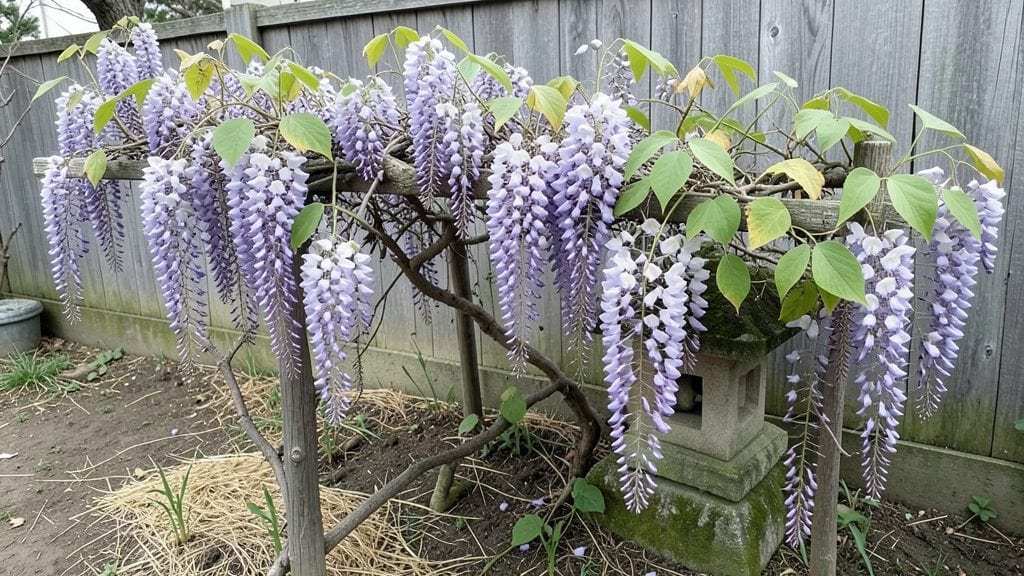
The wisteria Japan garden I stumbled upon during a quiet afternoon walk became my obsession—those cascading lavender blooms turning a simple corner into a dreamy escape. ✨ The secret lies in blending traditional Japanese elements with wisteria's dramatic growth habit, creating spaces that feel both serene and alive.
I learned that stone pathways, moss-covered rocks, and a small water feature don't just complement wisteria—they transform it into a living work of art.
You don't need a sprawling yard to start. A single wisteria vine trained over a wooden arbor, paired with smooth river stones and a shallow bamboo water trough, creates instant Japanese garden vibes.
The key is pruning in late winter to encourage those signature long, graceful stems—thin them back by half to keep the blooms lush and the structure strong.
This is where patience pays off: wisteria takes 3-5 years to reach its full glory, but the wait makes every spring bloom feel like a reward.
Imagine stepping into your garden in April when the air fills with that sweet, intoxicating fragrance, and the branches sag under cascades of purple blossoms. The cultural significance runs deep—wisteria symbolizes longevity and harmony in Japanese tradition, and its presence turns any space into a tranquil retreat.
With proper care, your wisteria will become the centerpiece that neighbors can't help but notice (and maybe a little envy).
This design works for courtyards, small backyards, or even large gardens—just scale the elements to fit your space. The magic happens when you let the wisteria grow wild enough to create natural arches while keeping the supporting elements clean and uncluttered.
Here's how to bring that Japanese garden dream to life in your own backyard.
📚 In This Guide
- What you need
- Instructions
- Tips and common mistakes
- Wrapping up and next steps
What you need
- ● Wisteria plants: 3–5 healthy Wisteria floribunda or Wisteria sinensis vines (choose established plants for faster growth).
- ● Support structure: Metal or wooden arches: 3–5 arches (6–8 ft tall, 4–6 ft wide) or trellises.
- ● Concrete footings: 4–6 bags of quick-setting concrete mix (for stability).
- ● Soil amendments: 50 lbs of compost or well-rotted manure.
- ● 20 lbs of organic matter (e.g., coconut coir or peat moss).
- ● Fertilizer: Slow-release granular fertilizer (10-10-10 ratio, 10 lbs).
- ● Mulch: 10–15 bags of wood chips or straw (3–4 inches deep).
- ● Digging tools: Shovel (round-point or spade).
- ● Garden trowel.
- ● Posthole digger (for footings).
- ● Measuring & leveling: Tape measure (25 ft).
- ● Level (4 ft).
- ● Stakes & string (for layout).
- ● Fastening supplies: Galvanized screws/nails (for wooden arches).
- ● Zip ties or garden wire (for securing vines).
- ● Pruning tools: Bypass pruners.
- ● Loppers (for thicker stems).
- ● Sunlight: Full sun (6+ hours daily) for optimal blooms.
- ● Space: Allow 10–15 ft between arches for vine spread.
- ● Climate: Wisteria thrives in USDA Zones 5–9 (check local frost dates!).
- ○ Optional (but helpful!): Drip irrigation kit (for consistent moisture).
- ● Garden gloves (to protect hands during pruning).
- ● Decorative elements (lanterns, stones, or moss for a Japanese touch).
Step-by-Step guide to creating a stunning wisteria Japan garden
Here's how to design a breathtaking wisteria garden inspired by traditional Japanese aesthetics.
🌱 Step 1: Select the Perfect Location for Your Wisteria Arches
Wisteria thrives in full sun, so choose a spot that receives at least 6-8 hours of direct sunlight daily. In Japanese gardens, these arches often frame pathways or entryways, creating a dramatic focal point. I always look for a location with well-draining soil—wisteria roots hate soggy conditions. If your soil is heavy clay, amend it with 3-4 inches of compost mixed into the top 12 inches of soil before planting.
Consider the mature size of your wisteria variety. Japanese wisteria (Wisteria floribunda) can grow 20-30 feet long when trained along an arch, so plan spacing accordingly. If you're creating multiple arches, space them 10-15 feet apart to allow for air circulation and future growth.
🪴 Step 2: Install Support Structures for Your Arches
Traditional Japanese wisteria arches use wooden or metal frames, but you can also use pre-made garden arches or even sturdy tree branches for a rustic look. I like to use 4-6 foot tall metal or wooden arches for durability. Bury the posts 12-18 inches deep in the ground to ensure stability, especially in windy locations. For a more natural look, you can also train wisteria along pergolas or existing tree branches.
If you're using a metal frame, coat it with a rust-resistant paint to protect it from weathering. For wooden structures, treat the wood with a non-toxic sealant to extend its lifespan. The key is to create a structure that will support the weight of the vines as they grow—wisteria can become quite heavy when in full bloom.
☀️ Step 3: Plant Wisteria Vines Along Your Support Structures
Plant your wisteria vines in early spring, just as the buds begin to swell. Dig a hole twice as wide as the root ball but no deeper. Place the vine in the hole and backfill with soil, tamping gently to remove air pockets. Water deeply to settle the soil around the roots. I always add a 2-3 inch layer of mulch around the base of the plant, keeping it 3-4 inches away from the stem to prevent rot.
For the best Japanese garden effect, plant multiple vines along each arch. Space them 6-12 inches apart and train the main stems up the structure using soft ties or garden twine. Avoid metal ties that can cut into the bark as the vine grows. Prune any side shoots that form at the base to encourage upward growth and flowering.
🌿 Step 4: Prune and Train for a Traditional Japanese Look
Pruning is the secret to achieving that classic Japanese wisteria look. In late winter or early spring, before new growth begins, cut back the previous year's growth by one-third to one-half. This encourages more flowering and keeps the vines manageable. Remove any dead, diseased, or crossing branches to improve air circulation and reduce the risk of pests.
Throughout the growing season, continue to train the vines along your support structure. In Japanese gardens, wisteria is often allowed to grow long and graceful, creating dramatic cascades of flowers. I like to let the vines grow freely along the arch, only pruning to maintain the structure and shape. Avoid heavy pruning in the fall, as this can encourage new growth that may not harden off before winter.
⏰ Step 5: Maintain and Enjoy Your Blooming Arches
Water your wisteria deeply once a week during the first growing season to establish strong roots. Once established, wisteria is quite drought-tolerant, but it will produce more abundant blooms if kept consistently moist. Fertilize in early spring with a balanced, slow-release fertilizer to encourage healthy growth and flowering.
Watch for pests like aphids or spider mites, which can attack wisteria vines. I treat infestations with a strong spray of water or an insecticidal soap to protect the delicate flowers. With proper care, your wisteria arches will burst into bloom in 5-7 years, creating a stunning display of purple, white, or pink flowers that will fill your garden with fragrance and beauty.
Tips & tricks for perfect wisteria Japan garden arches
Creating a stunning wisteria garden takes patience, but these little-known tricks will help you achieve that dreamy Japanese aesthetic faster—and with fewer headaches.
The Sunlight Secret: While 6-8 hours of sunlight is ideal, wisteria can actually handle up to 10 hours in cooler climates. I've seen them thrive in full sun all day long in northern gardens—just monitor for leaf scorch during heatwaves. The key is morning sun (6+ hours) combined with afternoon shade if your area gets intense afternoon heat. Trust me, the difference in bloom quantity is noticeable!
Support Structure Hack: For that authentic Japanese look, consider using bamboo poles instead of metal frames. They blend beautifully with the natural setting and are surprisingly sturdy when properly secured. If using metal, opt for powder-coated galvanized steel that won't rust—nothing ruins the aesthetic faster than ugly rust stains on your arches. Bury the posts at least 18 inches deep in windy areas, or they'll lean like a drunk gardener after one too many sake cups.
Pruning Pro Tip: The late winter/early spring pruning in Step 4 is non-negotiable for flowering, but here's what nobody tells you: save those pruned branches! Cut them into 12-inch sections and plant them horizontally in pots filled with moist sand. You'll get new baby wisteria plants in just a few months—free propagation that creates instant backups for your garden. Just be sure to use sterilized pruners to avoid spreading disease.
Soil Science: That 3-4 inches of compost recommendation in Step 1 is perfect, but here's the real secret: mix in a handful of worm castings with your compost. The microbial boost helps roots establish faster and creates that rich, dark soil Japanese gardens are famous for. For heavy clay soils, consider adding a 1-inch layer of coarse sand mixed into your compost—it improves drainage without changing the soil structure too dramatically.
Pro Tips for Wisteria Japan Garden
- Creating a stunning wisteria garden takes patience, but these little-known tricks will help you achieve that dreamy Japanese aesthetic faster—and with fewer headaches.
- The Sunlight Secret: While 6-8 hours of sunlight is ideal, wisteria can actually handle up to 10 hours in cooler climates.
- Support Structure Hack: For that authentic Japanese look, consider using bamboo poles instead of metal frames.
Frequently asked questions
Frequently Asked Questions about Wisteria in a Japanese Garden
Got questions about growing wisteria in your Japanese-inspired garden? Here are some of the most common ones—and their answers!
When is the best time to plant wisteria in a Japanese garden?
Plant wisteria in late fall or early winter (November–February) for best results. This allows roots to establish before spring growth. If planting in spring, choose a cooler month (March–April) to avoid heat stress. Pro tip: Avoid planting in summer—high temps can shock the plant!
How much sunlight does wisteria need for a thriving Japanese garden?
Wisteria thrives in full sun (6+ hours daily), but in hot climates, partial shade (morning sun + afternoon shade) helps prevent leaf scorch. In a Japanese garden, position it near a trellis, pergola, or arbor for natural support and dappled shade. Too little light? Expect slower growth and fewer blooms.
How often should I water wisteria in a Japanese garden setting?
Water deeply 2–3 times per week during the first year to encourage root growth. Once established, wisteria is drought-tolerant but benefits from weekly watering in dry spells. Mulch heavily (2–3 inches) to retain moisture and mimic a traditional Japanese garden’s organic approach. Avoid soggy soil—wisteria hates "wet feet."
Why isn’t my wisteria blooming, even though it’s healthy?
Lack of blooms often stems from over-fertilizing with nitrogen (which promotes leaves over flowers) or pruning at the wrong time. Prune wisteria right after flowering (late spring) to encourage next year’s blooms. Also, ensure it gets at least 6 hours of sun and isn’t too young—wisteria typically blooms after 3–5 years.
Are there low-maintenance wisteria alternatives for a Japanese garden?
If wisteria’s vigorous growth feels overwhelming, consider these Japanese garden-friendly alternatives:
- Clematis: Climbs like wisteria but with less aggressive roots and stunning blooms.
- Japanese Honeysuckle (Lonicera japonica): Fragrant, fast-growing, and drought-tolerant.
- Camellia: Evergreen shrub with elegant flowers and a classic Japanese aesthetic.
- Climbing Roses: Add romance with season-long blooms and fewer maintenance headaches.
Wrapping up and next steps
Transforming your outdoor space with wisteria from a Japanese garden isn’t just about beauty—it’s about creating a serene, dreamy escape that blends nature and elegance.
Whether you’re draping it over an arbor, training it along a fence, or weaving it into a living trellis, the key is patience, creativity, and a touch of wabi-sabi charm. 🌸
Ready to bring this timeless allure to your yard? Start small—plant a single vine or a starter kit—and let your space bloom into something magical. Your future guests (and future self) will thank you!
- Next step: Research local climates or nurseries to find the perfect wisteria variety for your region.
- Bonus tip: Pair it with Japanese maples or bamboo for an authentic garden vibe!