
Pests
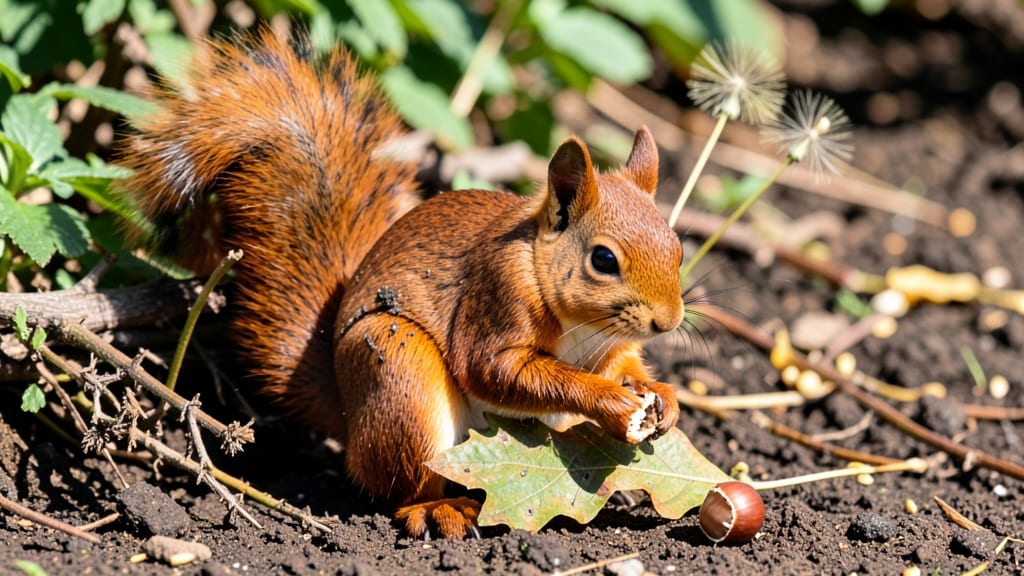
My outdoor garden now thrives with squirrels, not against them. 🌿 The secret lies in humane barriers that redirect their digging instincts while keeping plants safe—no traps or harm required.
I learned this after watching my tulips vanish overnight, only to discover these clever critters turning my yard into their playground.
Instead of fighting squirrels, we worked with their habits: raised beds with buried wire edges, sturdy fencing that lets them climb but not dig, and plant choices they can’t resist—like sunflowers and corn—far from prized bulbs.
The key is creating a squirrel-friendly zone where they get snacks without wrecking your garden. My 5-foot-tall chicken wire wrapped around hosta clumps has kept them at bay for three seasons now.
You’ll end up with a garden that’s both squirrel-proof and wildlife-friendly. The barriers are invisible once planted, and the squirrels? They’re too busy feasting on their designated treats to bother your prized plants. Plus, the garden becomes a quiet ecosystem where you can watch them forage without frustration.
This approach works for any yard size, from small urban plots to sprawling rural gardens. The same principles apply whether you’re protecting bulbs, young trees, or delicate perennials. Let’s design a garden that thrives alongside these energetic neighbors.
What Draws Them In
Squirrels aren’t just cute garden visitors—they’re highly motivated plant bandits with sharp instincts. Understanding why they target your outdoor garden is the first step to outsmarting them. Here’s why these bushy-tailed intruders keep showing up at your doorstep.
Squirrels are omnivorous opportunists, and your garden is basically an all-you-can-eat buffet. Their natural diet includes:
- Nuts and seeds (especially buried or scattered ones)
- Fruits and vegetables (soft, easy-to-digest favorites like tomatoes, beans, and berries)
- Young shoots and bulbs (high in moisture and nutrients)
Why it happens: Squirrels cache food for winter, but they also eat on the spot when they find it. If your garden has any of their preferred foods—even a single fallen acorn—they’ll return again and again. Their memory is legendary; studies show they can recall thousands of hiding spots for months.
Actionable insight: If you’ve noticed chewed-up plants or missing produce, check for squirrel droppings (small, dark, and pellet-like) near the damage. That’s their calling card.
Squirrels don’t just eat—they build. During spring and summer, they gather soft materials like:
- Grass clippings
- Leaves and twigs
- Stripped bark or plant fibers
Why it happens: Female squirrels (does) line their nests (dreys) with these materials to create a cozy, insulated space for raising their young. If your garden has loose soil, mulch, or unsecured plantings, they’ll strip them for nesting. Even dead plants become targets—they’re lightweight and easy to carry.
Actionable insight: If you see bare patches where plants were uprooted or chewed at the base, nesting is likely the culprit. Squirrels prefer high, hidden spots (like tree branches or dense shrubs), so check those areas first.
Squirrels are territorial and will investigate anything new in their range. Even if your garden isn’t a food source yet, they might:
- Climb and explore (they’re excellent acrobats)
- Mark with scent glands (rubbing their cheeks on plants)
- Test barriers (like fences or netting)
Why it happens: Their curiosity is hardwired—squirrels are always scouting for resources. If your garden is near their established territory (like a tree or wooded area), they’ll treat it like a personal playground. Plus, they’re fast learners: if they find one easy entry point (like a gap in a fence), they’ll exploit it repeatedly.
Actionable insight: Look for scratch marks on tree bark, fences, or garden structures. These are signs of territorial behavior. Squirrels also leave chew marks on wood or plastic—another red flag.
Squirrels adjust their habits based on the season, and each phase brings new garden threats:
| Season | Squirrel Behavior | Garden Impact |
|---|---|---|
| Spring | Foraging for protein (insects, eggs) | Digging up bulbs, eating tender shoots |
| Summer | Caching food for winter | Stripping fruits, chewing leaves |
| Fall | Aggressive caching (burying nuts everywhere) | Uprooting plants to hide food |
| Winter | Relying on cached food | Chewing bark, digging under snow for stashes |
Why it happens: Their behavior is tied to survival. In springfallconveniently located near their travel routes, you’ll see more activity during peak seasons.
Actionable insight: Fall is the worst time—squirrels cache thousands of nuts and may uproot plants to hide them. If you see fresh holes in your soil, cover the area with hardware cloth immediately.
You might be accidentally encouraging squirrels with everyday habits:
- Leaving pet food outside (they’ll associate your yard with easy meals)
- Planting squirrel favorites (like sunflowers, corn, or peanuts)
- Using mulch or compost piles (they nest in loose organic material)
Why it happens: Squirrels are conditioned by human behavior. If they learn that your garden = food + shelter, they’ll keep coming back. Even well-meaning actions (like feeding birds) can attract squirrels, who’ll see your feeders as a free snack bar.
Actionable insight: Audit your yard for unintentional squirrel magnets. Store pet food indoors, avoid planting their top snacks, and secure compost bins with lids.
Simple Fixes for Squirrel Garden Woes
Squirrels may be adorable, but their love for digging, nibbling, and nesting in your outdoor garden can turn your green oasis into a chaotic battleground. The good news? With the right strategies, you can reclaim your garden without harming these furry critters.
Below, we’ve mapped out practical, humane solutions tailored to common squirrel-related problems—plus prevention tips to keep them at bay long-term.
Fix: Protect vulnerable areas with physical barriers.
Squirrels love to unearth bulbs like tulips, daffodils, and crocuses—either to snack on them or build nests. Here’s how to stop the destruction:
- 🔥 Use Hardware Cloth or Wire Mesh Bury 1/4-inch hardware cloth (not chicken wire—squirrels can chew through it!) around bulb beds, extending it 6–12 inches deep and 2–3 inches above ground. Secure the edges with landscape staples or rocks.
- 🍳 Plant Squirrel-Resistant Alternatives Swap prized bulbs for squirrel-deterrent plants like alliums, snowdrops, or fritillaries. Squirrels tend to avoid their strong scents or bitter flavors.
- 👨🍳 Scatter Fake Eggs or Wind Chimes Squirrels avoid areas where they sense predators. Place plastic predator eggs (owls, snakes) near gardens or hang wind chimes to create noise and movement.
💡 Prevention Tip: Mulch heavily with gravel or coarse wood chips—squirrels dislike digging through them!
Fix: Outsmart their snacking habits with clever deterrents.
Squirrels are opportunistic eaters, and your ripe tomatoes, strawberries, or tender seedlings won’t stand a chance. Try these low-effort solutions:
- ⏰ Cover Crops with Row Covers or Netting Use lightweight frost cloth or bird netting to shield vulnerable plants. Secure edges with clips or bricks to prevent squirrels from tunneling underneath.
- 🔪 Spray with Hot Pepper or Garlic Solution Mix 1 tablespoon cayenne pepper + 1 tablespoon dish soap per gallon of water and spray on leaves (reapply after rain). The spicy scent deters squirrels without harming plants.
- 🌡️ Use Squirrel-Repellent Plants Interplant squirrel-hated herbs like rosemary, thyme, or mint near edibles. The strong aromas mask the scent of your crops.
✨ Pro Tip: Harvest fruits early in the morning when squirrels are less active, and store them indoors immediately.
Fix: Make your garden less inviting with exclusion tactics.
Squirrels adore cozy spots like birdhouses, compost bins, or under deck railings. Evict them humanely with these steps:
- 🔪 Seal Entry Points with Steel Wool or Caulk Stuff small gaps with steel wool (squirrels can’t chew through it) or use expanding foam for larger holes. Check for roof access points on sheds or greenhouses.
- 🎯 Install Squirrel-Proof Birdhouses Use baffles or one-way doors (like those for raccoons) to block entry. Place birdhouses far from trees—squirrels are excellent climbers!
- 🌡️ Remove Attractants Keep pet food, fallen fruit, and birdseed secured in metal containers with tight lids. A full feeders = a squirrel buffet!
💡 Prevention Tip: Prune tree branches at least 8 feet away from structures to cut off squirrel highways.
Fix: Create a squirrel-unfriendly landscape design.
If your garden soil is becoming compacted or over-fertilized from squirrel activity, try these long-term fixes:
- 🌱 Use Raised Beds with Hardware Cloth Lining Line the bottom and sides of raised beds with hardware cloth before adding soil. Squirrels won’t dig through it, and your plants stay protected.
- 🥗 Plant Dense Ground Covers Squirrels avoid thick, low-growing plants like creeping thyme, clover, or ajuga. These create a natural barrier while improving soil health.
- 🔥 Install Motion-Activated Sprinklers Devices like the ScareCrow Sprinkler spray water when squirrels approach—startling them without harm.
🎯 Bonus Tip: Rotate plant locations yearly to confuse squirrels about where their favorite snacks are hidden.
Squirrels are wild animals, not pests—so focus on deterrence, not exclusion. Combine physical barriers, scent repellents, and habitat tweaks for the best results. With patience, your garden can thrive without a single squirrel casualty! 🐿️💚
Frequently asked questions
What plants should I avoid if squirrels are a problem?
Skip squirrel favorites like sunflowers, corn, peanuts, and tender bulbs such as tulips or daffodils. Instead, opt for squirrel-resistant plants like alliums, snowdrops, or herbs (rosemary, thyme). These plants have strong scents or bitter flavors squirrels dislike.
How deep should I bury hardware cloth to stop digging?
Bury 1/4-inch hardware cloth at least 6–12 inches deep around bulb beds to prevent squirrels from digging up roots. Extend it 2–3 inches above ground to block surface tunneling. Secure edges with rocks or landscape staples.
Can squirrels really be trained to stay away from my garden?
Yes! Use positive reinforcement by placing squirrel treats (like peanuts) in a designated area far from your garden. Over time, they’ll associate that spot as their snack zone. Combine this with physical barriers for best results.
Will motion-activated sprinklers actually work?
Devices like the ScareCrow Sprinkler spray water when squirrels approach, startling them without harm. Place them near high-traffic areas (like raised beds) for maximum effectiveness. Test placement to avoid wetting plants.
How do I keep squirrels out of my birdhouse?
Install a baffle or one-way door to block squirrel entry while allowing birds access. Place birdhouses far from trees (squirrels climb!) and use steel wool to seal small gaps. Secure feeders with squirrel-proof cages.