
Tools
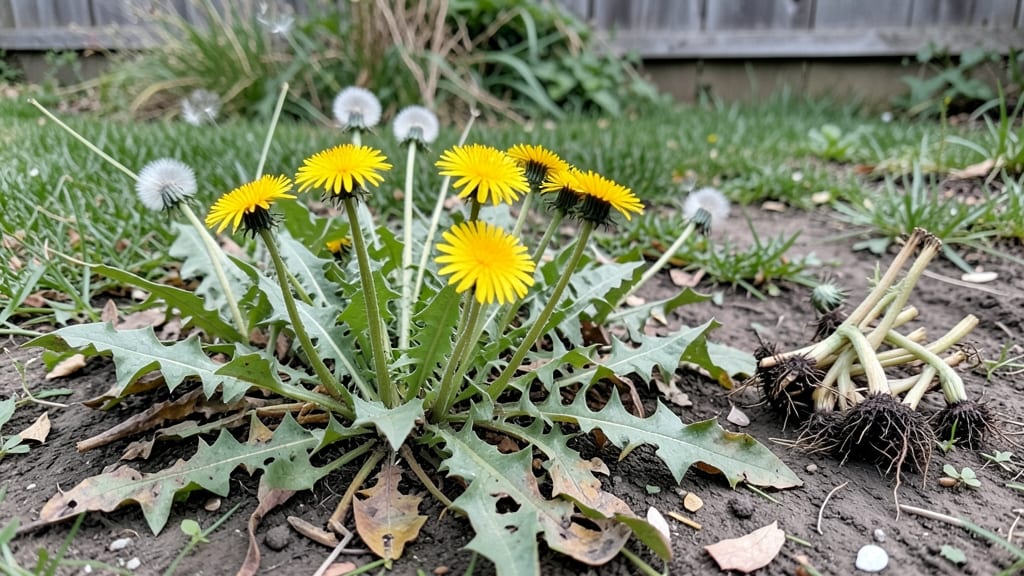
Big garden weeds don’t have to mean a day of stooped-over agony. I’ve wrestled with thickets of bindweed and dandelions that seemed impossible to conquer—until I discovered the right tools and techniques that make weeding feel almost effortless.
The key isn’t brute force but smart leverage, timing, and a few unexpected tricks that spare your back and the soil’s health.
Most people grab a hand trowel and dig in, only to end up sore and frustrated. Instead, I’ve learned to use long-handled tools for deep-rooted weeds, mulch heavily to smother regrowth, and pull at the right time of day when soil is soft.
For stubborn invaders, vinegar-based sprays or targeted spot treatments work without harming nearby plants—no heavy machinery or chemical warfare needed.
By the end of this, you’ll have a garden where weeds are a manageable nuisance, not a weekly battle. Your flower beds will stay lush, your veggie patches productive, and your weekends free for actual gardening—not just weeding. Let’s make this the year your garden wins the war.
Whether you’ve got a sprawling backyard or a few raised beds, these methods adapt easily. The goal isn’t perfection—it’s progress. And trust me, your back will thank you.
The Root Causes Behind Unwanted Growth
If your garden is becoming a battleground against towering, stubborn weeds, you’re not alone. Understanding why these plants thrive—and often outcompete your desired flora—is the first step to reclaiming your green space.
Below, we break down the science behind their relentless growth, so you can tackle the problem at its source.
Weeds don’t just pop up—they grow aggressively because your soil is essentially serving them an all-you-can-eat buffet. Rich, nutrient-dense soil (especially high in nitrogen) is a magnet for fast-spreading weeds like dandelions and crabgrass. Here’s why:
- Nutrient overload: Fertilizers, compost, or decomposed organic matter release nitrogen, phosphorus, and potassium—nutrients weeds love more than your flowers or veggies. A single dandelion can absorb up to 30% more nitrogen than a grass plant, giving it a competitive edge. 📊
- Disturbed soil: Tilling or digging aerates the soil, creating the perfect seedbed for weed seeds lying dormant just below the surface. Even a light scratch can trigger germination. 🔥
- Competition gap: If your lawn or garden is sparse (due to drought, disease, or poor planting), weeds fill the void quickly. They’re nature’s opportunists!
Actionable fix: Test your soil’s nutrient levels and adjust fertilization to target your plants—not the weeds. Use slow-release fertilizers or organic options like composted manure sparingly.
Weeds are masters of efficiency—they thrive in conditions where your prized plants might struggle. Sunlight and water are their secret weapons:
| Factor | How It Helps Weeds | Examples |
|---|---|---|
| ✅ Full sun | Weeds like pigweed and bindweed grow 2–3x faster in direct sunlight due to photosynthesis overdrive. Shady spots? They’ll still outcompete slow-growing perennials. ☀️ | Crabgrass, chickweed, lamb’s quarters |
| 💧 Excess moisture | Overwatering or poor drainage creates the perfect soggy playground for weeds. Their shallow roots absorb water quickly, while deeper-rooted plants (like tomatoes) may struggle. 🌧️ | Nutsedge, plantain, moss |
| 🌧️ Drought stress | Paradoxically, some weeds (like Russian thistle) germinate in response to dry conditions, ensuring they’re the first to sprout when rain finally comes. 🏜️ | Cheatgrass, purslane |
Actionable fix:
- Mulch heavily (3–4 inches) to block sunlight and retain moisture for your plants, not weeds. 🌿
- Water deeply but infrequently to encourage deep root growth in your garden plants, making them less vulnerable.
- Install drip irrigation to target water directly to plant roots, avoiding weed hotspots.
Weeds don’t just spread from roots—they hijack the wind, animals, and even your shoes to colonize new areas. Here’s how:
- Windborne seeds: Plants like thistle and milkweed release lightweight, winged seeds that travel miles. A single dandelion can produce 200+ seeds per flower, each capable of flying up to 5 miles. 🌪️
- Animal hitchhikers: Burdock and cocklebur seeds latch onto fur, clothing, and tools. Even birds spread seeds through their droppings. 🐦
- Dormant seed banks: Weed seeds can lie dormant for years (some up to 40!) in soil, waiting for the right conditions to germinate. A single square foot of soil may hold hundreds of weed seeds. ⏳
- Human error: Contaminated mulch, potting soil, or even “wildflower” seed mixes often contain aggressive weeds like Johnson grass or nutgrass. 🛒
Actionable fix:
- Inspect and clean tools, shoes, and pet fur after gardening to avoid spreading seeds. 🧦
- Use seed-certified mulch and soil to avoid hidden invaders.
- Remove weeds before they seed (aim for the “rosette” stage in perennials like dandelions).
Some weeds are biological bullies, using underground networks to crowd out other plants. Their root systems fall into two categories:
- Deep taproots: Weeds like dandelions and burdock send roots 6–10 feet deep, tapping into water and nutrients your plants can’t reach. Even a tiny root fragment left in the soil can regrow into a full plant. 🪴
- Aggressive rhizomes: Plants like bindweed (morning glory) and nutgrass spread via horizontal underground stems (rhizomes) that can grow 60 feet in a season. A single fragment can generate a new plant. 🌱
- Creeping roots: Weeds like creeping Charlie (ground ivy) produce roots at every leaf node, creating dense mats that smother grass and flowers. 🧩
Actionable fix:
- For taproots, dig deep (6+ inches) to remove the entire root. Use a dandelion digger or fork for stubborn specimens. 🔨
- For rhizomes, solarize soil (cover with clear plastic for 4–6 weeks) to kill underground growth. ☀️
- Avoid hand-pulling rhizomatous weeds—it fragments the roots and spreads them further.
Now that you know why weeds take over, the next step is humane removal strategies that won’t leave you exhausted (or backache-prone). Stay tuned!
Tackle Overgrown Pests Naturally
Now that you understand why your garden is overrun with unwanted plants, let’s roll up our sleeves and reclaim your green space—without the backache or harsh chemicals.
Below are practical, humane solutions tailored to common causes, from quick fixes to long-term prevention. Each method is designed to work with your garden’s ecosystem, not against it.
Cause: Wind, birds, or last year’s fallen seeds take root. Fix: Interrupt their lifecycle with these low-effort barriers and timing tricks.
🔥 Smother the Seedlings (Before They Grow)
- Landscape fabric or cardboard: Lay down a thick layer (at least 2–3 sheets of cardboard) over bare soil in early spring. Poke holes for existing plants, then cover with 2–3 inches of mulch (straw, wood chips, or leaves).
This blocks sunlight, preventing seeds from germinating. - Newspaper trick: Use uninked, black-and-white pages (dyed ink can leach) under mulch for a biodegradable option.
🍳 Pull Early, Pull Often (The 2-Inch Rule)
- When: Weeds under 2 inches tall are easiest to remove by hand.
Use a weeding fork or digging trowel to loosen roots. - How: Grip the weed at the base, wiggle gently, and lift—no yanking! (This avoids breaking roots, which can regrow.) - Pro tip: 💡 Water the soil first (not the weeds) to soften roots.
Do this after rain or in the evening when the ground is damp.
🌡️ Heat or Boiling Water (For Stubborn Spots)
- For driveways or patios: Pour boiling water directly on weeds (avoid desirable plants!). The heat kills roots instantly.
- Solarization: Cover weed-prone areas with clear plastic sheeting for 4–6 weeks in summer.
The trapped heat sterilizes the soil—great for prep before replanting.
Cause: Perennial weeds (like dandelions or bindweed) have deep, tough roots that regrow if cut. Fix: Target the root system with these root-focused strategies.
👨🍳 The "Scoop and Soak" Method (For Deep Roots)
- Loosen the soil around the weed with a hula hoe or dandelion digger.
- Grab the base and lift vertically—don’t twist!
(Twisting snaps roots, leaving pieces behind.) 3. Soak the hole with vinegar (20% acetic acid) or soapy water (1 tbsp dish soap + 1 gallon water) to deter regrowth.
🔪 Repeated Mowing (For Grass Weeds)
- Mow high (3–4 inches) to shade out weeds like crabgrass.
- Frequency: Cut weekly in peak growing season (spring–fall). Weeds exhaust their energy trying to reach sunlight.
- Bonus: A sharp mower blade prevents tearing grass, which invites weeds.
⏰ The "Starve Them" Strategy (For Broadleaf Weeds)
- Mulch heavily (4–6 inches of wood chips or straw) to block light. Weeds can’t photosynthesize without it.
- Edging: Use metal or plastic edging to create a physical barrier between lawn and garden beds.
Cause: Birds, squirrels, and wind deliver weed seeds to your garden. Fix: Disrupt their delivery system without harming wildlife.
🎯 Bird-Proof Your Garden
- Remove seed sources: Clean up fallen fruit, seed heads, and spilled birdseed.
- Use bird feeders away from garden beds (at least 10 feet away).
- Plant native flowers that birds prefer (like sunflowers or coneflowers) far from weed-prone areas.
🌡️ Windbreaks and Strategic Planting
- Plant tall perennials or shrubs on the windward side of your garden to block seed-carrying breezes.
- Create a "weed buffer" with fast-growing ground covers (like clover or creeping thyme) to trap seeds before they root.
Cause: Poor soil health, compacted ground, or lack of competition lets weeds thrive. Fix: Build a resilient garden that outcompetes weeds naturally.
| Problem | Solution | Maintenance |
|---|---|---|
| Compacted soil | Add compost or leaf mold (2–3 inches) | Top up annually with mulch |
| Bare soil patches | Plant dense ground covers (e.g., creeping jenny, moss) | Fill gaps within 2 weeks |
| Poor drainage | Amend with sand or perlite | Check after heavy rains |
| Over-fertilized lawn | Switch to slow-release, organic fertilizer | Apply in early spring |
💡 Pro Tips for Weed-Proofing
- Plant densely: Crowd out weeds with fast-spreading plants (e.g., nasturtiums, alyssum).
- Use "living mulch": Grow low, spreading plants (like sweet potato vines) between rows.
- Rotate crops in veggie gardens to disrupt weed seed banks.
Stock up on these game-changers to make removal faster and easier:
- Hula hoe (for cutting weeds at the base)
- Dandelion digger (for deep-rooted pests)
- Garden fork (for loosening compacted soil)
- Weed torch (for large, infested areas—use cautiously!)
- Kneeling pad (to protect your knees during long sessions)
Final Note: The key to humane, low-effort weed control is consistency. Spend 10–15 minutes weekly on prevention, and you’ll spend far less time pulling later. Your garden—and your back—will thank you! 🌿✨
Frequently asked questions
What’s the best time of day to pull weeds to make it easier?
Pull weeds in the early morning or late afternoon when the soil is damp but not soggy. This makes roots easier to remove without breaking. Avoid midday heat, which dries out the soil and makes weeds tougher to extract.
Can I use vinegar to kill weeds without harming my garden plants?
Only use undiluted vinegar with 20%+ acetic acid in a spray bottle, and apply it directly to weeds on a calm day. Avoid spraying nearby plants, as vinegar can burn leaves. For safety, use a shield or cardboard barrier around desired plants.
Why do weeds keep coming back even after I pull them?
Weeds often regrow from root fragments or dormant seeds in the soil. Always pull weeds before they seed (look for flower buds) and remove the entire root. For stubborn perennials like bindweed, solarize the soil or use a dandelion digger to extract deep roots.
What’s the most effective mulch for preventing weeds long-term?
The best weed-suppressing mulches are wood chips or straw (3–4 inches thick). They block sunlight while breaking down slowly. For a living mulch, try fast-spreading ground covers like clover or creeping thyme, which crowd out weeds naturally.
How do I know if a weed is annual or perennial—and why does it matter?
Annual weeds (like crabgrass) complete their lifecycle in one season and die in winter. Perennials (like dandelions) survive year after year from roots or underground stems. Pull annuals early, but for perennials, you’ll need to dig deep or smother them to prevent regrowth.