Pests
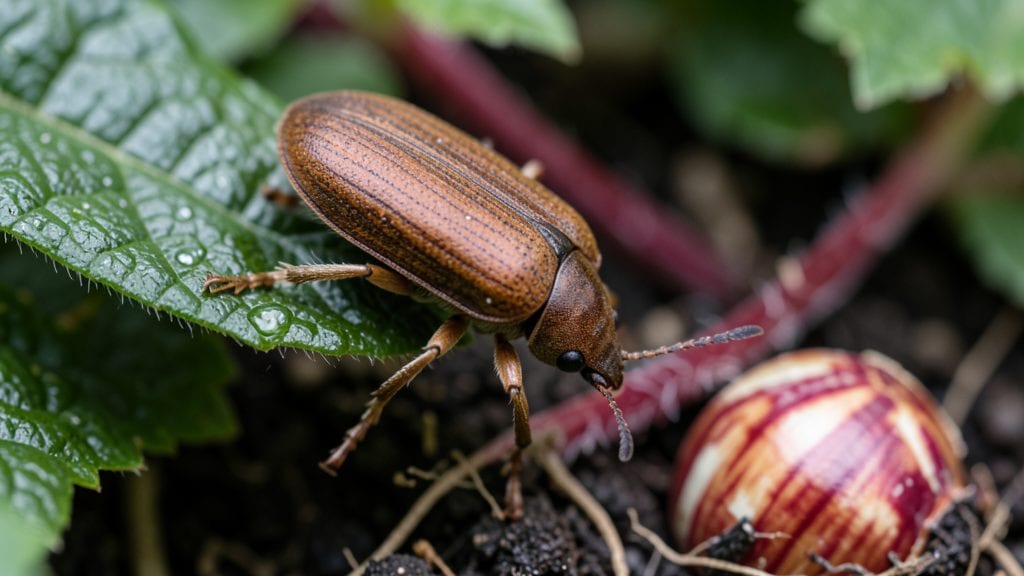
The brown garden beetle is the last pest you want chewing through your roses and veggies. 🌿 I’ve watched these shiny, copper-bronze beetles turn lush foliage into skeleton leaves in a single afternoon—until I learned their weak spots.
The key isn’t brute force but smart timing and barriers that make your garden less appealing than the wild grass next door.
These beetles thrive in dry, sunny spots and lay eggs in loose soil, meaning their damage peaks in late summer when they’re most active. Most gardeners grab pesticides first, but that kills beneficial bugs too.
Instead, focus on disrupting their life cycle: mulch heavily, water deeply to deter egg-laying, and plant trap crops like marigolds to lure them away from your prized plants.
By combining physical barriers—like row covers or fine mesh—and natural predators (birds, toads, and ground beetles)—you’ll see fewer skeletonized leaves within weeks. The best part? These methods work without chemicals, so your soil stays healthy and your veggies stay pest-free. Let’s get your garden back to thriving.
Works for roses, vegetables, and even fruit trees—just adjust timing based on your local beetle activity. Here’s how to outsmart them for good.
Root Causes of Infestations
Understanding why these large, shiny beetles invade your garden starts with their biology and behavior. Brown garden beetles (or Cteniopus sulcatus) aren’t just random visitors—they’re drawn to specific conditions that make your yard an all-you-can-eat buffet. Let’s break down the science behind their unwelcome arrival.
Brown garden beetles have a sweet tooth—for rotting organic material. Their larvae thrive in compost piles, mulch heaps, or fallen fruit, while adults are drawn to overripe vegetables, fermenting fruits, and even damp leaves. Here’s why this happens:
- Nutrient-rich decay: Decomposing matter is packed with sugars, proteins, and microbes—perfect for beetle larvae to grow. Think of it as their version of a gourmet meal.
- Moisture attraction: Rotting organic material holds moisture, creating the ideal humid environment beetles crave for egg-laying and larval development.
- Scent signals: Volatile organic compounds (VOCs) released by decaying plants act like a dinner bell, luring adults to lay eggs nearby.
Actionable fix: Remove fallen fruit, clear leaf litter, and turn compost piles regularly to disrupt their life cycle.
These beetles are nocturnal, meaning they’re most active after dark. Their nighttime raids aren’t random—they’re strategic:
- Predator avoidance: By feeding under cover of darkness, they avoid birds, bats, and other predators that hunt during the day.
- Temperature preference: Cooler nighttime temps (60–75°F) suit their metabolism, making them more active when garden pests like slugs are less aggressive.
- Soft plant targets: Many plants (like tomatoes, peppers, and roses) release more sugars at night, making them irresistible snacks.
Actionable fix: Install yellow or blacklight bug traps near your garden’s perimeter to intercept them before they feast. Prune plants to improve airflow, reducing nighttime humidity.
Your garden’s design might be unwittingly inviting these beetles. Common landscaping choices create the perfect hideout:
| Problem | Why It Attracts Beetles |
|---|---|
| Thick mulch layers | Provides insulation and moisture for larvae to pupate undisturbed. |
| Wooden decking or fences | Old, damp wood mimics their natural habitat (rotting logs). |
| Poor drainage | Waterlogged soil creates anaerobic zones where larvae thrive. |
| Unpruned shrubs | Dense foliage offers shelter for adults during the day. |
Actionable fix: Replace thick mulch with gravel or straw, elevate wood structures, and improve soil drainage with sand or compost.
Brown garden beetles are seasonal opportunists, with their activity peaking during:
- Late spring to early summer: Warm soil triggers egg-hatching, and adults emerge to feed.
- After rain: Increased humidity and softened plant tissue make them more active.
- Drought stress: Stressed plants release stress compounds that attract beetles as a last-resort food source.
Actionable fix: Monitor weather patterns and apply diatomaceous earth to soil before rain events to deter larvae.
Pro tip: 💡 Beetles also target stressed plants—overwatering or underwatering can make your garden a beacon. Aim for consistent moisture to keep them away.
Natural Ways to Stop Beetles
Now that you understand why these beetles are invading your garden, let’s tackle the problem with effective, eco-friendly solutions that keep them at bay without harsh chemicals.
Below, we’ve mapped out practical fixes based on the root causes—whether it’s their love for decaying matter, thirst for moisture, or attraction to your plants.
Cause: Beetles thrive in damp, decaying organic matter like compost piles, leaf litter, or rotting wood. Solution:
- 🔥 Clear Debris Regularly – Rake up fallen leaves, twigs, and plant waste from garden beds and lawn edges. Store compost in sealed bins (preferably with a tight-fitting lid).
- 🍳 Drain Wet Areas – Fix leaky hoses, improve soil drainage, and avoid overwatering. Beetles seek moisture—dry soil is less inviting!
- 👨🍳 Rotate Mulch – If using wood chips or straw, keep them 3–4 inches away from plant stems to prevent beetles from tunneling into the soil.
💡 Pro Tip: Sprinkle dried citrus peels or coffee grounds around mulch—beetles dislike the scent!
Cause: Beetles target stressed, weak, or overripe plants, especially nightshades (tomatoes, peppers) and fruit trees. Solution:
- 🥘 Strengthen Plants – Healthy plants resist pests! Use balanced organic fertilizer (like compost tea) and prune damaged foliage promptly.
- ⏰ Time Your Harvest – Pick fruits and veggies before they overripe—soft, rotting produce is a beetle magnet.
- 🔪 Plant Repellent Companions – Interplant with garlic, mint, thyme, or marigolds—their strong scents confuse beetles.
🎯 Bonus: Wrap tree trunks with aluminum foil (yes, really!) to deter beetles from climbing up.
Cause: Beetles lay eggs in soil, and larvae (grubs) chew roots for months. Solution:
- 🔥 Handpick Adults – At dusk, shake plants over a bucket of soapy water to drown beetles. Repeat weekly for 2–3 weeks.
- 🌡️ Solarize Soil (For Heavy Infestations) – Cover moist soil with clear plastic sheeting for 4–6 weeks in hot sun. The heat kills eggs and larvae.
- 💡 Use Beneficial Nematodes – These microscopic worms (Steinernema carpocapsae) attack beetle grubs naturally. Apply in early spring or after rain.
Cause: Beetles crawl or fly in to feed—blocking access stops the invasion. Solution:
- 🛡️ Row Covers – Use fine mesh fabric over young plants to prevent adult beetles from landing.
- 🍎 Sticky Traps – Place yellow or blue sticky traps near infested areas to catch flying beetles.
- 🔪 Collars for Young Plants – Wrap cardboard collars around stems to block grubs from burrowing into soil.
To keep beetles from returning, combine these habits into your garden routine: ✅ Weekly inspections – Check under leaves, mulch, and plant bases. ✅ Clean up fallen fruit/veggies – Don’t leave them on the ground. ✅ Avoid night watering – Wet foliage at night attracts beetles. ✅ Diversify plants – A mix of herbs, flowers, and veggies confuses pests. ✅ Encourage predators – Ladybugs, ground beetles, and birds love eating brown garden beetles!
Final Thought: Consistency is key—beetles won’t disappear overnight, but with these low-effort, high-impact methods, you’ll see a dramatic drop in numbers within 2–4 weeks. 🌱✨
Frequently asked questions about brown garden beetles
What do brown garden beetles look like?
These beetles have a distinctive shiny, copper-bronze or brown exoskeleton, measuring about ½ to ¾ inch long. They’re oval-shaped with a slightly rounded body and six short legs. Look for their nocturnal habits—they hide under leaves during the day and emerge at dusk to feed.
Are brown garden beetles harmful to plants?
Yes, they can cause significant damage by chewing leaves, flowers, and fruit. Adults skeletonize foliage, while larvae (grubs) feed on roots, weakening plants. Roses, tomatoes, and peppers are especially vulnerable. Early intervention is key to preventing long-term harm.
How can I tell if brown garden beetles are in my soil?
Check for small, white grubs (larvae) in the top 2-3 inches of moist soil. You might also see uneven plant growth or yellowing leaves from root damage. Dig up a small section of soil near affected plants to inspect for signs of larvae activity.
What’s the best natural way to get rid of brown garden beetles?
Combine physical barriers (row covers, sticky traps) with natural predators like birds and ground beetles. Handpick adults at dusk and use beneficial nematodes for larvae. Avoid pesticides—they harm helpful insects and disrupt your garden’s ecosystem.
Can brown garden beetles bite or sting humans?
No, they’re not dangerous to humans. While they may pinch lightly if handled, they lack venom or sharp mouthparts. Their primary concern is your garden—focus on protecting plants rather than worrying about personal safety.