Tools
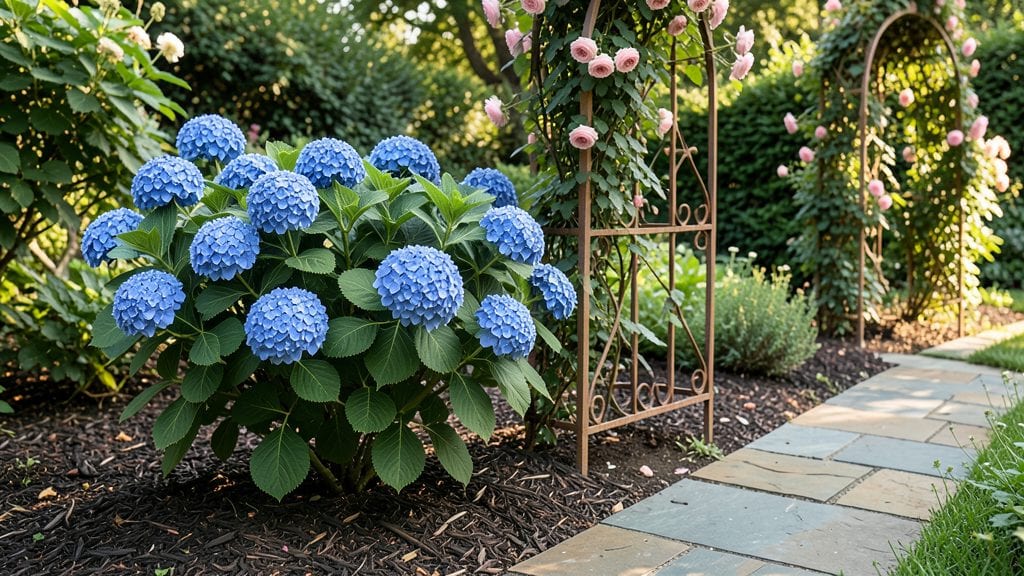
The Butchart Gardens Sunken Garden is where earth meets artistry in cascading terraces and lush layers of color. 🌿 I still remember the first time I walked through its dramatic steps—how the waterfalls whispered between tiers of hydrangeas and roses, creating a living tapestry that feels like stepping into a storybook.
This isn’t just a garden; it’s a masterclass in how to turn slopes into drama and ordinary plants into breathtaking focal points.
The secret lies in the terraces, each one a stage for different plant heights and textures. Tall shrubs like hydrangeas and ornamental grasses frame the edges, while perennials like peony and iris spill over the edges in waves of pink, purple, and white.
Water features weave through the design, their gentle sounds masking the hard work behind the scene—like the 3-foot-high retaining walls that hold everything together without looking like work.
What makes it work at home? Start small with just two or three terraces, using native plants that thrive in your climate. Layer in annuals for pops of color, and let water features—even a simple bubbling rock—tie the space together.
The result? A garden that feels like a retreat, not a chore, where every season brings a new chapter of beauty.
For public gardens or large backyards, this design scales beautifully, but even a 10-foot-wide sunken bed can steal the show. The key is patience—let plants grow into their spaces, and the terraces will reveal their magic over time. Here’s how to begin crafting your own layered masterpiece.
📚 In This Guide
- What you need
- Instructions
- Tips and common mistakes
- Wrapping up and next steps
What you need
- ● Soil: 10+ yards of well-draining, nutrient-rich soil (mix topsoil with compost for optimal texture).
- ● Mulch: 5+ bags of organic mulch (cedar or hardwood chips) to retain moisture.
- ● Perennials (for year-round color): 10+ Hellebores (Lenten rose)
- ● 15+ Primroses (various colors)
- ● 20+ Ferns (e.g., Matteuccia struthiopteris)
- ● 30+ Rhododendrons or Azaleas (acid-loving shrubs)
- ● Bulbs (for seasonal blooms): 50+ Daffodils (spring)
- ● 30+ Tulips (early spring)
- ● 20+ Alliums (late spring)
- ● Essential: Shovel & spade (for digging)
- ● Wheelbarrow (for soil transport)
- ● Garden trowel (for precision planting)
- ● Level & measuring tape (for terraces)
- ● Pruners & shears (for shaping)
- ○ Optional (but helpful): Laser level (for perfect terraces)
- ● Edging tool (for clean borders)
- ● Hose with spray nozzle (for gentle watering)
- ● Knee pads (for comfort!)
- ● ✅ Site prep: Clear debris, mark terrace levels (use stakes & string for guidance).
- ● ✅ Drainage plan: Ensure slopes allow water runoff (avoid soggy terraces!).
- ● ✅ Sunlight assessment: Sunken gardens thrive in partial shade—most plants need 4–6 hours of dappled light.
- ● ✅ Local climate check: Adjust plant selection for your hardiness zone (e.g., cooler zones may need frost-resistant varieties).
Instructions for designing a sunken garden with terraced layers
This approach mimics Butchart’s iconic design—elevated terraces, layered plants, and dramatic visual flow.
🪴 Step 1: Plan and Mark Your Terraced Layout
Start by sketching your sunken garden on paper, using a 6-foot-wide base terrace that steps down 1-2 feet per level. Mark each tier with wooden stakes and string lines to ensure straight edges—Butchart’s design relies on clean, geometric lines. For a 4-tier design, your total depth should reach 4-6 feet below ground level.
I like to begin at the lowest point (where water naturally collects) and work upward. This prevents erosion and makes future planting easier. Use a level tool to check each tier’s slope—1 inch of fall per foot ensures proper drainage. If your soil is clay-heavy, add 3 inches of sand to the bottom of each tier before filling with topsoil.
🌱 Step 2: Excavate and Build Retaining Walls
Dig out each tier carefully, removing 6-8 inches of topsoil to expose stable subsoil for the walls. For 4-foot-high walls, use cinder blocks or stacked stone (like Butchart’s limestone-inspired look). Lay the first course on a 2-inch bed of gravel for drainage, then stack blocks in a staggered pattern with mortar or landscape adhesive between joints.
Leave 4-inch gaps between blocks for drainage pipes if needed. I reinforce the back of each wall with landscape fabric to prevent soil from seeping through. For a softer look, use natural stone with dry-stacking—just ensure each layer overhangs slightly for stability. Test each wall’s plumb with a 2-foot level before backfilling.
☀️ Step 3: Layer Soil and Install Drainage
Fill each tier with 6 inches of gravel at the bottom for drainage, then add 12 inches of amended topsoil (mix 50% garden soil, 30% compost, and 20% perlite). Butchart’s sunken garden thrives on well-draining, nutrient-rich soil—this blend mimics their approach. For extra fertility, work in 2 cups of bone meal per square foot of planting area.
Install a French drain along the back of each wall if your site has poor drainage. Use 4-inch corrugated pipe wrapped in landscape fabric, sloped ¼ inch per foot toward a downspout. Cover with 2 inches of gravel before adding soil. This prevents waterlogging, which Butchart’s design avoids entirely.
🌿 Step 4: Plant in Staggered, Dramatic Layers
Begin planting at the highest terrace with tall perennials (like delphiniums or hollyhocks) to create a cascading effect downward. Butchart’s garden uses height progression: 6-foot plants at the top, 3-foot shrubs in the middle, and ground covers (like ajuga or heuchera) at the lowest tier. Space plants 18-24 inches apart for mature size.
Add accent plants like coral bells or ornamental grasses at tier edges for texture. I plant one focal specimen per terrace—like a tree peony or hydrangea—to draw the eye. Mulch with 3 inches of shredded bark to retain moisture and suppress weeds. Water deeply 2-3 times per week for the first month to establish roots.
✂️ Step 5: Add Finishing Touches for Long-Term Beauty
Install low stone borders along each terrace edge to define planting areas. Butchart’s garden uses limestone edging, but brick or fieldstone works just as well. Add pathways between tiers with stepping stones or gravel—4-inch-wide paths provide access without overwhelming the space.
Finally, incorporate water features like a small tiered fountain or bubbling rock garden at the lowest point. This mirrors Butchart’s use of water to enhance the sunken effect. Prune plants twice yearly—once in early spring to shape growth, and again in late summer to remove spent blooms. This keeps the garden looking intentional, just like the original.
Tips & tricks for perfecting your Butchart-inspired sunken garden
Creating a sunken garden inspired by Butchart's iconic design takes careful planning—here are the secrets to achieving that dramatic, layered beauty without the common pitfalls.
Precision in Planning: When sketching your 6-foot-wide terraces, use graph paper to scale down your design first. This helps visualize how the 1-2 foot drop per level will look in your space before you start digging. I always mark my lowest point first—this prevents water pooling issues later. Trust me on this: measuring twice and marking with stakes saves hours of rework.
Wall Stability Secrets: For those 4-foot-high walls, don't skip the 2-inch gravel base—it's your secret weapon against shifting. When stacking cinder blocks or stone, I stagger the joints like brickwork to distribute weight evenly. Pro tip: Use a rubber mallet to gently tap blocks into place after adding mortar; this eliminates gaps that could cause drainage problems down the road.
Soil Science Matters: That 12 inches of amended soil blend (50% garden soil, 30% compost, 20% perlite) is non-negotiable for Butchart's signature lushness. I always test my soil's pH first—Butchart's plants thrive in slightly acidic soil (pH 6.0-6.5). If your soil is heavy clay, mix in an extra 10% perlite to improve drainage while maintaining moisture. The bone meal (2 cups per square foot) gives you that extra fertility boost without overpowering the plants.
Plant Placement Pro Tip: When arranging your height progression (6-foot plants at the top down to ground covers), I recommend planting your tallest specimens slightly off-center on each terrace. This creates natural visual flow when viewed from below, just like the original Butchart design. The 18-24 inch spacing gives plants room to mature without crowding—critical for those delphiniums and hollyhocks that will reach their full height.
Pro Tips for Butchart Sunken Garden
- Creating a sunken garden inspired by Butchart's iconic design takes careful planning—here are the secrets to achieving that dramatic, layered beauty without the common pitfalls.
- Precision in Planning: When sketching your 6-foot-wide terraces, use graph paper to scale down your design first.
- Wall Stability Secrets: For those 4-foot-high walls, don't skip the 2-inch gravel base—it's your secret weapon against shifting.
Frequently asked questions
Got questions about visiting Butchart Gardens’ Sunken Garden? Here are answers to the most common ones to help you plan your trip:
What’s the best time of year to visit the Sunken Garden?
The Sunken Garden is stunning year-round, but spring (April–June) and fall (September–October) offer vibrant colors and milder weather. Summer (July–August) brings lush greenery, while winter (November–March) has a serene, frosty charm—just pack layers! Weekdays are less crowded than weekends.
How long should I spend exploring the Sunken Garden?
Plan for 1 to 2 hours to fully enjoy the Sunken Garden’s terraces, waterfalls, and themed sections. If you’re short on time, prioritize the lower terraces and the iconic “Garden of the Sun” area. Combine it with nearby attractions like the Rose Garden for a half-day visit.
Is the Sunken Garden included in general admission, or do I need a separate ticket?
No separate ticket is needed—the Sunken Garden is part of Butchart Gardens’ general admission. A single-day pass grants access to all gardens, including the Sunken Garden, Rose Garden, and Japanese Garden. Check their website for seasonal pricing or combo tickets.
Are there any restrictions or guidelines for visitors in the Sunken Garden?
Visitors are welcome to walk on all paths, but avoid stepping on plants or disturbing the terraces. No drones are allowed, and leashed pets are permitted only in designated areas. Wheelchair access is available via paved paths, though some slopes may require assistance.
What should I do if the Sunken Garden is closed due to weather?
Butchart Gardens typically closes only for extreme weather (e.g., lightning storms or high winds). Check their official Twitter or website for real-time updates. On rainy days, explore the Conservatory or Japanese Garden—both indoor-friendly alternatives!
Wrapping up and next steps
The Butchart Gardens Sunken Garden is more than just terraced beauty—it’s a living testament to creativity, harmony, and the magic of blending art with nature. Inspired by the iconic British masterpiece, this garden proves that even the most ambitious projects can flourish with passion and planning.
Whether you're dreaming of recreating a sunken garden or simply seeking inspiration, take this vision and let it bloom in your own space—one thoughtful step at a time! 🌿✨
Next up: Grab your tools, sketch your design, and start transforming your outdoor space into a tranquil masterpiece!