
Tools
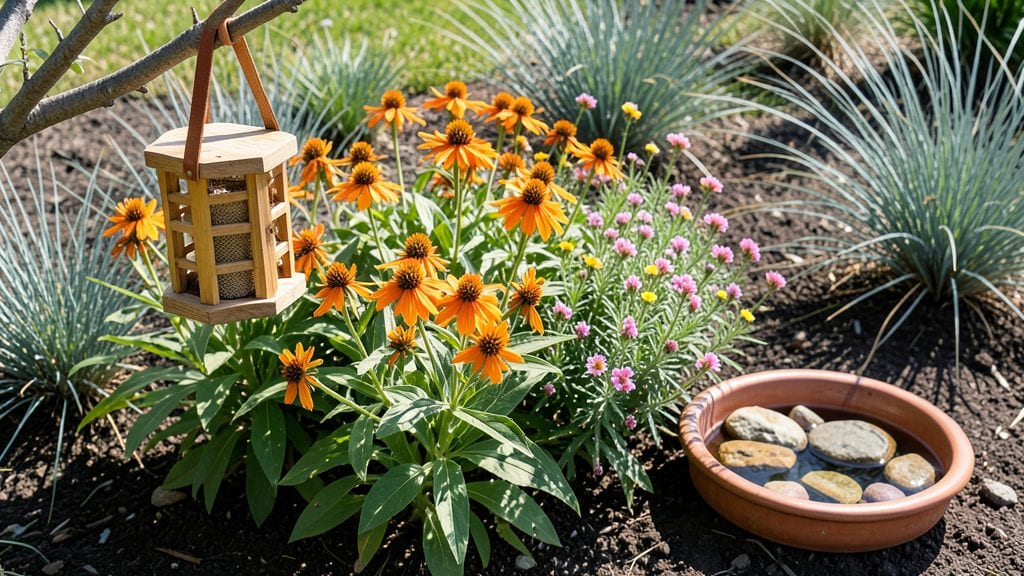
A backyard butterfly garden transforms your space into a fluttering, fragrant sanctuary where every season brings new visitors. 🌿 I designed mine after watching monarchs vanish from my neighborhood—now it’s a magnet for swallowtails, fritillaries, and hummingbird moths year-round.
The key isn’t just plants, but timing: blooms that overlap so food is always available, from early spring coltsfoot to late-season asters.
Start with three zones: sun-loving milkweed for monarchs, partial shade for fritillaries, and a damp corner for mud-puddling butterflies. Native plants like butterfly weed and coneflowers do 90% of the work—low-maintenance and drought-tolerant once established.
Add a shallow water source (a saucer with pebbles works) and you’ll see them drinking within days.
By midsummer, your garden will hum with activity—orange swallowtails on milkweed, blue morphos on lilacs, and children pointing at tiny cabbage whites. The colors stay vibrant longer too, since butterflies pollinate better than bees in some cases. Even my black thumb keeps this patch thriving with just seasonal deadheading.
This works in any yard size—containers for balconies, borders for small spaces, or full sun patches in larger backyards. The best part? Every plant you add isn’t just pretty—it’s a meal, a shelter, or a waystation for migrating pollinators. Let’s get your design started with the right foundation plants first.
📚 In This Guide
- What you need
- Instructions
- Tips and common mistakes
- Wrapping up and next steps
What you need
- ● Native flowering plants (5–10 varieties): Choose nectar-rich options like milkweed (for monarchs), coneflowers, black-eyed Susans, and butterfly bush. Aim for at least 3–5 plants per species for a thriving habitat.
- ● Host plants (1–2 species): Essential for caterpillars! Examples: parsley (swallowtails), dill (black swallowtails), or passionflower (gulf fritillaries).
- ● Potting soil or garden soil (2–3 bags): Well-draining, organic-rich soil (compost blend works great).
- ● Mulch (1–2 bags): Shredded bark or straw to retain moisture and suppress weeds.
- ● Watering can or hose with a gentle spray nozzle: Butterflies love shallow, frequent water sources.
- ● Small shallow dishes or birdbaths (1–2): Fill with pebbles and water for safe landing spots.
- ○ Stakes or small flags (optional but helpful): Mark plant locations for easy maintenance.
- ● Garden trowel or shovel: For planting and soil prep.
- ● Pruners or shears: To trim dead foliage and encourage new growth.
- ● Gloves (1 pair): Protect your hands from thorns and dirt.
- ● Sunlight access (6+ hours/day): Most butterflies thrive in full sun.
- ● Water source nearby: A garden hose or rain barrel for easy hydration.
- ○ Fencing or netting (optional): To protect young plants from pests like rabbits.
- ● Butterfly feeders (sugar-water mix in a mesh bag).
- ● Rocks or flat stones for basking.
- ● Native wildflowers or seed bombs for quick ground cover.
- ● Decorative elements (wind chimes, painted rocks, or a butterfly house).
Step-by-Step instructions for designing a thriving butterfly garden
Creating a pollinator paradise isn't just about planting flowers—it's about crafting an ecosystem that blooms with life.
🌱 Step 1: Select Native Plants for Year-Round Support
Start with native perennials that provide nectar and host plants for caterpillars. I always prioritize plants like milkweed for monarchs, coneflowers for swallowtails, and asters for migrating butterflies. These species have co-evolved with local pollinators, ensuring reliable food sources. Choose a mix of early, mid, and late-season bloomers to maintain continuous nectar flow.
Spread plants in clusters of 3-5 rather than single specimens—this creates visual cues butterflies recognize as food sources. For example, plant 5 milkweed stems together in one corner and 3 coneflowers nearby. Avoid hybrid varieties unless they're specifically labeled as butterfly-friendly, as many are bred for show rather than function.
🪴 Step 2: Create Layered Planting Zones
Design your garden in three distinct layers: tall plants (4-6 feet) at the back, mid-height (2-3 feet) in the middle, and low ground covers (under 1 foot) in front. This vertical structure provides shelter from wind and predators while offering diverse landing spots. I use purple coneflower as my tall anchor, black-eyed Susans for mid-height, and butterfly weed as a low-growing front piece.
Leave 12-18 inches of bare soil between plantings to allow butterflies to land and warm their wings in sunlight. This open space also prevents fungal growth that can harm emerging caterpillars. Group plants by their preferred sunlight conditions—most butterfly favorites need full sun (6+ hours daily)—but include a few shade-tolerant options like fennel or joe-pye weed for dappled areas.
☀️ Step 3: Add Water Sources and Shelter
Place a shallow birdbath or flat rock filled with 1-2 inches of water and pebbles for safe landing. Butterflies can't drink from deep sources—they sip by sucking water through their proboscis. Position it in partial shade to prevent evaporation while keeping the surface cool. I add a small pump for gentle movement, which attracts them like a natural puddle.
Include dense shrubs or evergreen trees at the garden's edges to provide overnight roosting spots. Butterflies need protection from nocturnal predators and harsh winds. A 6-foot-tall arborvitae or privet hedge works perfectly. Avoid using pesticides anywhere near these shelter zones—even residual chemicals can harm butterflies that forage in the area.
✂️ Step 4: Maintain Seasonal Blooms and Safety
Deadhead spent flowers every 2-3 weeks to encourage continuous blooming, but leave some seed heads for overwintering caterpillars. I always leave at least 20% of the garden in its natural state—this provides habitat for beneficial insects that butterflies rely on. Avoid mulching heavily around host plants like milkweed, as caterpillars need direct soil contact to pupate.
Monitor for aphids or spider mites, which can stress plants and reduce nectar production. If you must treat pests, use neem oil or insecticidal soap—both are butterfly-safe when applied in the evening. Never use systemic pesticides, as they can kill caterpillars feeding on treated plants. A healthy garden with diverse plantings rarely needs chemical intervention anyway.
🌿 Step 5: Expand with Annuals and Seasonal Accents
Add annuals like zinnias or cosmos in spring and fall to fill gaps and provide extra nectar. These fast-growing plants attract butterflies quickly and can be replaced yearly. I plant 5-7 zinnias in early summer when native perennials are still establishing. Choose varieties with flat-topped flowers—butterflies prefer these over rounded blooms.
In late summer, incorporate fall-blooming asters or goldenrod to support migrating butterflies. These plants are crucial for monarchs traveling to Mexico. Leave the seed heads until winter, as they provide food for birds and shelter for overwintering insects. A well-timed addition of 2-3 goldenrod clumps can transform your garden into a butterfly highway.
Tips & tricks for perfect butterfly garden design
These insights will help you transform your backyard into a thriving butterfly oasis that attracts pollinators year-round.
Plant Placement Precision: In Step 1, when planting your clusters of 3-5 milkweed stems and 3 coneflowers, consider spacing them 18-24 inches apart rather than closer. This spacing mimics natural ecosystems where butterflies can easily navigate between plants while avoiding overcrowding that can stress the plants. I've noticed monarchs prefer these slightly wider pathways when moving between milkweed patches.
Layered Garden Strategy: The three-layer design in Step 2 creates a vertical habitat that mimics wildflower meadows. For maximum impact, dedicate 40% of your space to tall plants like purple coneflower, which provide perching spots for larger butterflies like swallowtails. The mid-height black-eyed Susans should form a continuous band around the garden's perimeter to create a visual "highway" for migrating butterflies.
Water Feature Essentials: When installing your water source in Step 3, place it within 10 feet of your tallest plants. Butterflies need both nectar sources and water, and this proximity encourages them to make multiple visits. I've found that adding a small bamboo watering feature nearby creates a mini ecosystem that attracts even more pollinators. The gentle movement from your pump should be just enough to catch their attention without overwhelming them.
Seasonal Transition Tips: In Step 5, when adding annuals like zinnias, interplant them with your established perennials rather than creating separate sections. This creates a continuous bloom cycle that prevents gaps in your garden's food offerings. I always plant my 5-7 zinnias in early summer alongside the milkweed, creating a visual and functional bridge between early and late-season bloomers.
Pro Tips for Butterfly Garden Backyard
- These insights will help you transform your backyard into a thriving butterfly oasis that attracts pollinators year-round.
- Plant Placement Precision: In Step 1, when planting your clusters of 3-5 milkweed stems and 3 coneflowers, consider spacing them 18-24 inches apart rather than closer.
- Layered Garden Strategy: The three-layer design in Step 2 creates a vertical habitat that mimics wildflower meadows.
Frequently asked questions
about creating a butterfly garden in your backyard—because every fluttering friend deserves a welcoming space! Here are answers to the most common questions to help you get started with confidence.When is the best time to plant a butterfly garden?
The ideal time to plant is early spring (after the last frost) or late summer/early fall for a head start. Butterflies thrive on fresh foliage, so planting in spring ensures they have nectar-rich blooms as they emerge. If you’re in a warmer climate, fall planting can give you a jump on next year’s visitors!
Do I need a water source for butterflies?
Butterflies need water to drink and lay eggs. A shallow dish with pebbles and water (or a mud puddle) works perfectly. Place it in a sunny spot—just avoid stagnant water to prevent mosquitoes. Pro tip: Add a little sand or damp soil for egg-laying butterflies like swallowtails!
What if my yard is small or shady?
No problem! Even small spaces can support butterflies with container gardening (pots, window boxes) or vertical gardens. For shade, choose host plants like milkweed (for monarchs) or fennel, and opt for nectar plants like astilbe or columbine. Dappled sunlight is fine—just avoid deep shade.
Why aren’t butterflies visiting my garden?
Check these common issues: Lack of host plants (caterpillars need specific plants to eat), missing nectar sources, or pesticides (even natural ones can harm butterflies). Try adding more diversity—native plants are key! Also, wait a few weeks; butterflies may take time to discover your oasis.
Can I attract butterflies year-round?
Yes! Plant a mix of spring bloomers (like dandelions or violets), summer favorites (e.g., coneflowers), and fall/winter options such as goldenrod or sedum. Evergreens like holly provide shelter in cold months. Even in winter, some butterflies (like red admirals) seek nectar from late-blooming flowers.
Wrapping up and next steps
Creating a butterfly garden backyard is more than just a beautiful addition to your outdoor space—it’s a meaningful way to support pollinators and bring vibrant life to your home. 🌸 With the right plants, design, and care, you’ll transform your yard into a thriving haven that attracts butterflies year-round while adding color and joy to your daily life.
Ready to take the next step? Start small—plant a few native flowers, set up a water source, and watch as your garden becomes a buzzing, fluttering paradise. Your efforts will make a difference, one winged visitor at a time!