Tools
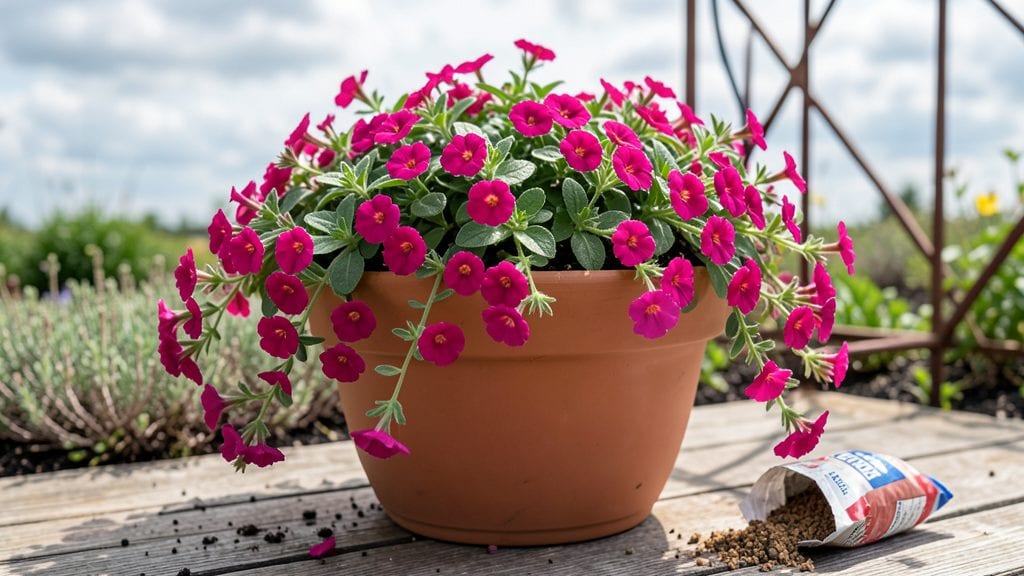
Calibrachoa in garden spaces turns ordinary borders into eye-catching displays that outshine even petunias. 🌻 I first fell for these tiny powerhouses when they spilled over my balcony planter in fiery red—no deadheading, no wilting, just nonstop blooms from spring until frost.
The secret lies in their petunia-like charm with half the fuss, making them the perfect workhorse for busy gardeners.
These trailing beauties thrive in containers, hanging baskets, or tucked into flowerbeds where they cascade like living waterfalls. Pair deep purple calibrachoa with silver foliage for striking contrast, or mix bright pink with blue salvia for a cottage garden dream.
They love full sun but tolerate partial shade, and their compact size means they won't outgrow small spaces quickly.
What you'll get is a garden that stays vibrant all season without constant maintenance. The blooms come in every color imaginable—from creamy white to deep burgundy—and their tiny, trumpet-shaped flowers create a lush, textured effect that larger petunias can't match.
Even in heatwaves, they keep producing, making them the ultimate low-effort, high-impact annual.
For maximum impact, plant them in odd-numbered clusters (3, 5, or 7) and intersperse with trailing plants like sweet potato vine. They also make fantastic edging plants for pathways or spillers in mixed containers. Once you try calibrachoa, you'll wonder how you ever grew without them!
📚 In This Guide
- What you need
- Instructions
- Tips and common mistakes
- Wrapping up and next steps
What you need
- ● Calibrachoa plants: 6–12 plants (choose from varieties like 'Superbells,' 'Kalmia,' or 'Mini Star' for compact growth). Opt for healthy seedlings with firm stems and budding flowers.
- ● Well-draining potting mix: 5–10 gallons (use a blend with 50% peat or coconut coir and 50% perlite or vermiculite for aeration). Avoid heavy garden soil.
- ● Containers or garden beds: Containers: 6–12-inch pots (one plant per pot) with drainage holes. Fabric grow bags (10–12 gallons) work well for trailing varieties.
- ● Garden beds: Full sun exposure (6+ hours daily) and loamy, well-amended soil with a pH of 6.0–7.0.
- ● Slow-release fertilizer: 1–2 cups of balanced 10-10-10 or 14-14-14 granules mixed into the soil at planting.
- ● Watering can or hose with a gentle spray nozzle: Calibrachoa hates soggy roots—aim for 1 inch of water per week (adjust for heat/drought).
- ● Pruning shears: Sharp, sterilized shears (for deadheading and shaping).
- ● Garden gloves: Protect your hands from soil and thorns (some varieties have delicate stems).
- ● Mulch: 1–2 inches of organic mulch (e.g., shredded bark or straw) to retain moisture and suppress weeds.
- ● Stakes or cages: For trailing varieties (e.g., 'Trailing White'), use 3–4 ft. stakes or decorative cages.
- ● Liquid fertilizer: Balanced 20-20-20 or fish emulsion (apply every 2–3 weeks during blooming season).
- ○ Soil moisture meter: Optional but handy for monitoring water needs in containers.
- ● Sun shade cloth (30–50% coverage): For hot climates, provide afternoon shade to prevent wilting.
- ● 🔥 Start early! Plant calibrachoa after the last frost (when soil temps are 55°F+) for continuous blooms.
- ● 🌡️ Heat lovers: These plants thrive in warmth—ideal temps are 70–85°F. Avoid planting in cold or windy spots.
- ● ✨ Deadhead daily: Pinch off spent blooms to encourage non-stop flowering (calibrachoa is a heavy bloomer!).
Step-by-Step guide to planting and caring for calibrachoa
Here's how to create a nonstop summer display with these petunia cousins—just follow these simple steps!
🌱 Step 1: Choose the Perfect Planting Location
Calibrachoa craves full sun—at least 6-8 hours daily—to produce those vibrant, petunia-like blooms. I always pick the sunniest spot in my garden because these plants reward sunlight with nonstop color. If you're in a hotter climate, afternoon shade helps prevent wilting, but morning sun is non-negotiable.
These plants thrive in well-draining soil, so avoid low spots where water pools. Amend heavy clay with compost or sand to improve drainage. The more sunlight and airflow, the better your calibrachoa will perform—think of it as their happy place!
🪴 Step 2: Plant with Proper Spacing and Support
For 4 plants, space them 10-12 inches apart in the garden bed. Calibrachoa grows in mounds, so give them room to spread without competing for nutrients. I like to plant them in clusters of 3-4 for a fuller, cascading look—especially when paired with trailing plants like sweet potato vine.
If growing in containers, choose pots at least 10-12 inches wide with drainage holes. These plants love baskets or hanging planters—they’ll spill over beautifully! Fill the pot with well-draining potting mix and plant at the same depth as the nursery container. Water deeply right after planting to settle the roots.
☀️ Step 3: Water and Fertilize for Continuous Blooms
Keep the soil consistently moist but never soggy—calibrachoa hates wet feet. Water at the base in the morning so foliage dries quickly, reducing disease risk. I aim for 1 inch of water per week, adjusting for rain. Let the top inch of soil dry out between waterings to prevent root rot.
Feed every 2-3 weeks with a balanced, water-soluble fertilizer (10-10-10 or 20-20-20) to encourage nonstop blooms. Deadhead spent flowers regularly—this isn’t just for looks! Pinching off faded blooms redirects energy to new flowers, keeping your plants looking fresh all season. I snip them with clean scissors in the morning for the best results.
✂️ Step 4: Prune and Maintain for Lush Growth
Trim leggy stems back by one-third in early summer to encourage bushier growth. This might sound drastic, but calibrachoa bounces back beautifully! I also remove any yellowing or diseased leaves immediately—don’t let them linger, as they can spread problems to healthy foliage.
Watch for pests like aphids or spider mites, especially on new growth. A strong spray of water usually knocks them off, but for stubborn infestations, use neem oil as a natural remedy. Mulch around the base with 2-3 inches of organic mulch to retain moisture and suppress weeds—just keep it a few inches away from the stems to prevent rot.
🌿 Step 5: Extend the Season with Simple Care
Calibrachoa loves warmth but can handle light frosts if protected. In fall, move potted plants to a sheltered spot or bring them indoors before temperatures drop below 40°F. If you’re in a mild climate, they might even overwinter with a little TLC!
To prep for next year, take 4-inch cuttings from healthy stems in late summer. Root them in water or a propagation mix, and you’ll have fresh plants ready for spring. I always label mine so I don’t forget which varieties I love best—trust me, you’ll want to repeat your favorites!
Tips & tricks for perfect calibrachoa planting and care
These game-changing tips will help you transform your garden into a vibrant, nonstop blooming paradise with calibrachoa!
Sunlight Secret: The 6-8 hours of full sun in Step 1 is non-negotiable for those petunia-like blooms, but here's the thing: if your climate gets scorching afternoons, provide light afternoon shade to prevent wilting. I've seen calibrachoa droop dramatically in direct afternoon sun—trust me, it's worth the extra shade cloth!
Spacing Strategy: When planting your 4 calibrachoa in Step 2, think of them as social butterflies—they need space to spread their wings! The 10-12 inch spacing isn't just about aesthetics; it prevents competition for nutrients. I always plant mine in clusters of 3-4 for that lush, cascading effect, especially when pairing with trailing plants like sweet potato vine.
Watering Wisdom: That "consistently moist but never soggy" rule in Step 3 is crucial—calibrachoa roots hate wet feet. I've learned the hard way that overwatering leads to root rot. Use your finger to check soil moisture: if the top inch is dry, it's time to water. Morning watering is key to prevent fungal diseases from evening moisture.
Fertilizer Frequency: The 2-3 week feeding schedule in Step 3 is perfect, but here's my pro tip: use half-strength fertilizer the first time to avoid burning tender new growth. I also rotate between 10-10-10 and 20-20-20—sometimes switching between them prevents nutrient lockout and keeps those blooms coming nonstop!
Pro Tips for Calibrachoa In Garden
- These game-changing tips will help you transform your garden into a vibrant, nonstop blooming paradise with calibrachoa!
- Sunlight Secret: The 6-8 hours of full sun in Step 1 is non-negotiable for those petunia-like blooms, but here's the thing: if your climate gets scorching afternoons, provide light afternoon shade to prevent wilting.
- Spacing Strategy: When planting your 4 calibrachoa in Step 2, think of them as social butterflies—they need space to spread their wings!
Frequently asked questions
Got questions about growing calibrachoa? You’re not alone!
Here are answers to the most common queries—from planting tips to troubleshooting—so you can keep your garden bursting with color all season.
How do I plant calibrachoa for the best results?
Plant calibrachoa in full sun (6+ hours daily) with well-draining soil. Space seedlings 8–12 inches apart in garden beds or containers. For containers, use at least 12-inch pots—more space = more blooms! Pro tip: Mix in compost or slow-release fertilizer at planting for a head start.
When is the best time to plant calibrachoa?
Start seeds indoors 8–10 weeks before your last frost date, or buy transplants after frost risk passes. In warmer climates (zones 9–11), plant in early spring for year-round blooms. Cold-hardy varieties (like ‘Superbells’) can even tolerate light frosts!
Why aren’t my calibrachoa blooming—just leaves?
Over-fertilizing with nitrogen (leafy growth) or underwatering can stunt blooms. Fix it: Deadhead spent flowers, reduce water slightly, and switch to a low-nitrogen, high-phosphorus fertilizer (like 5-10-5). Bonus: Pinch back leggy stems to encourage bushier growth.
Can I grow calibrachoa in containers, or do they need a garden bed?
Calibrachoa thrives in containers—just ensure pots have drainage holes and use a lightweight potting mix. Top picks: Hanging baskets (for cascading varieties) or window boxes. Watering hack: Containers dry faster; check soil moisture daily in hot weather.
What pests or diseases should I watch for with calibrachoa?
Common issues include aphids, spider mites, and powdery mildew (in humid climates). Prevent pests: Spray plants with neem oil or insecticidal soap. For mildew, improve airflow and avoid overhead watering. Early action = happy plants!
Wrapping up and next steps
Incorporating calibrachoa into your garden is a game-changer—these vibrant, petunia-like blooms bring year-round color with minimal fuss! 🌸 Whether you’re a seasoned gardener or just starting, their adaptability and stunning displays make them a must-try.
Now that you’re armed with planting tips and troubleshooting know-how, why not grab some cuttings or seeds and start your own calibrachoa adventure today?
Ready to transform your space? Pick your favorite varieties, prep your containers or beds, and watch your garden burst into life! 🌱