
Pests and Diseases
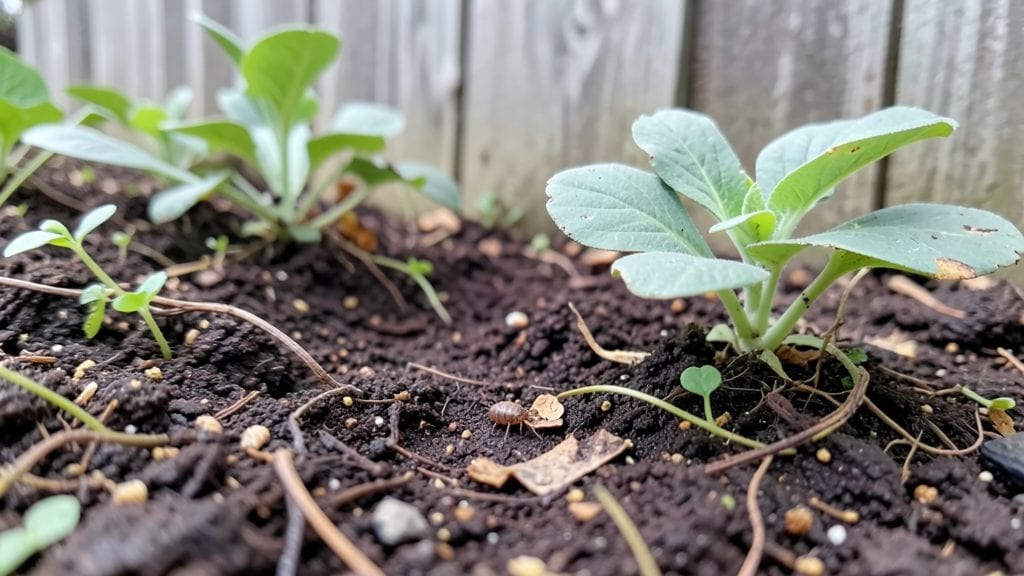
Getting scabies from gardening is possible when you come into contact with contaminated soil, tools, or organic matter where mites have taken hold. These parasites prefer damp, shaded areas like compost heaps or shared garden beds, especially if previously used by infected humans or animals.
Scabies mites don't just live on humans—they can survive for days in warm, moist organic material like mulch or compost piles. 🔥 The real risk comes when you handle these materials without protection, as mites can transfer to your skin through tiny cuts or even by lingering on your hands.
I've seen cases where gardeners developed rashes after working with infested soil, especially during humid seasons when mites thrive. The key is recognizing high-risk areas and taking simple precautions like wearing gloves and washing up thoroughly afterward.
What makes this particularly tricky is that mites can hitchhike on tools, pet paws, or even wildlife that roams your garden. If you notice unusual itching or small red bumps appearing days after gardening, it's worth considering whether scabies might be the culprit.
The good news? Proper hygiene and tool disinfection can drastically reduce your exposure risk.
💡 In This Article
- How Scabies Mites Survive in Garden Environments
- Preventing Scabies While Gardening: Safety Gear and Practices
How scabies mites survive in garden environments
Scabies mites, scientifically known as Sarcoptes scabiei, aren't just skin parasites—they're surprisingly resilient in outdoor settings. In garden soil, these microscopic creatures can survive for 2-3 days outside a host, especially in warm (77-86°F) and humid conditions.
Their survival hinges on organic matter like decomposing leaves or compost, where moisture and decaying plant material create the perfect microclimate. Unlike fleas or ticks, scabies mites don't burrow deep into soil—they cling to surface debris or plant stems, waiting for a new host to pass by. 🔥
The lifecycle of these mites in garden environments follows a predictable pattern. Female mites lay 2-3 eggs per day in burrows they create in human skin, but in soil, their eggs hatch within 3-4 days under ideal conditions.
Larvae then seek out organic material to feed on, maturing into adults capable of infesting new hosts. Compost piles and mulch become hotspots because they combine warmth, moisture, and a steady supply of organic nutrients that mites can exploit.
Studies show that infested compost can remain contaminated for weeks if not properly heated to 140°F or higher.
Pets and wildlife play a surprising role in spreading these mites. Dogs, cats, and even rodents can carry scabies mites on their fur or paws, depositing them in garden beds where humans might later handle plants or tools.
The mites then transfer to human skin through direct contact or by crawling onto hands and arms.
Shared gardening tools—like trowels or pruners—can also act as vectors, picking up mites from infested soil and transferring them to the next gardener. 💫 This is why communal garden plots often see higher rates of scabies transmission during warm months.
What most people don't realize is how quickly these mites can adapt to garden conditions. In shaded, moist areas, mites can remain active for extended periods, especially if the environment mimics their preferred 60-70% humidity range.
Even a simple task like turning compost or weeding can disturb these mites, sending them airborne where they might land on exposed skin. The key factor here is the mite's ability to detect body heat and carbon dioxide—signals that trigger their movement toward potential hosts.
Consider these high-risk garden scenarios where mites thrive:
- Compost piles: Ideal breeding grounds due to high organic content and warmth (often 90-110°F during decomposition)
- Shaded plant beds: Moisture retention from drip irrigation or morning dew creates perfect conditions
- Pet resting areas: Grass or mulch where infected animals lie down frequently
- Shared gardening tools: Contaminated surfaces that transfer mites between gardeners
The real danger lies in the mites' ability to remain dormant in soil until disturbed. A simple breeze or gardening activity can dislodge them, creating what scientists call "passive transmission."
This is why even brief contact with infested areas can lead to infestation—mites don't need to burrow immediately; they just need access to skin. The itching and rash symptoms typically appear 4-6 weeks after initial exposure, making it easy to overlook gardening as the source. ✨