
Tools
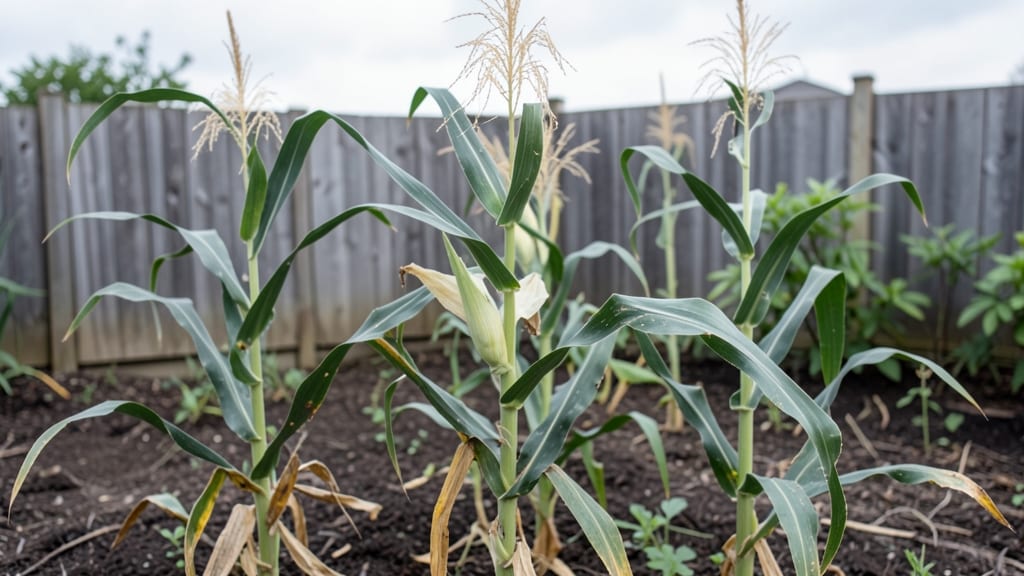
A corn vegetable garden that stretches beyond summer isn’t just possible—it’s the secret to a backyard that feeds you all year. 🌽 I’ve designed small-space layouts where corn towers over beans, squash sprawls beneath, and herbs weave between the stalks, creating a three-dimensional harvest.
The key? Treating corn as the centerpiece while letting other plants play supporting roles that protect, feed, and shade it.
Start with a 4-foot-by-4-foot plot if space is tight, or expand to 8-foot rows for larger harvests. Corn thrives in full sun, so position it where it gets 6+ hours daily, but tuck beans or peas nearby—they’ll climb the stalks and fix nitrogen in the soil.
Squash or pumpkins on the ground block weeds, while basil or marigolds between rows deter pests. This isn’t just a garden; it’s a living ecosystem that works harder than you do.
By late summer, you’ll be pulling ears of sweet corn while harvesting bush beans and zucchini from the same square foot. Store excess in the freezer, ferment the rest, or let the stalks stand for fall decorations.
The real magic? This design keeps producing even after the main crop ends—lettuce, spinach, and radishes slip into the gaps once the corn is gone.
Works in raised beds, in-ground plots, or even containers (dwarf varieties). The blueprint scales from a balcony to a backyard, and the principles apply whether you’re growing heirlooms or hybrids. Let’s sketch out your space—this is where the harvest never stops.
📚 In This Guide
- What you need
- Instructions
- Tips and common mistakes
- Wrapping up and next steps
What you need
- ● Garden trowel or hand shovel – For digging and transplanting seedlings.
- ● Pruners or sharp scissors – To trim dead leaves or harvest ears.
- ○ Garden stakes or trellis (optional for pole varieties) – Supports tall corn varieties (e.g., 6–8 ft stakes for 8–10 ft plants).
- ● Watering can or hose with adjustable nozzle – Corn needs 1–1.5 inches of water per week.
- ● Garden gloves – Protects hands from thorns (if growing sweetcorn varieties like 'Country Gentleman').
- ● Measuring tape or ruler – Ensures proper spacing (12–18 inches between plants).
- ● Corn seeds – Choose dwarf or bush varieties for small spaces (e.g., 'Golden Bantam' or 'Ambrosia'). Aim for 50–100 seeds (or 1–2 lbs) depending on garden size.
- ● Compost or organic fertilizer – Rich in nitrogen (e.g., 10-10-10 or composted manure). Use 2–3 lbs per 100 sq ft.
- ● Mulch (straw, grass clippings, or black plastic) – Retains moisture and suppresses weeds. 2–3 inches is ideal.
- ○ Soil test kit (optional but recommended) – Ensures pH is 6.0–6.8 (corn thrives in slightly acidic to neutral soil).
- ○ Row covers or shade cloth (optional) – Protects young plants from pests (e.g., corn earworms) or harsh sun.
- ● Sunlight access – Full sun (6–8 hours daily) is non-negotiable for corn.
- ● Well-draining soil – Corn hates soggy roots! Amend clay soil with compost.
- ● Space planning – Corn needs 12–18 inches between plants and 2–3 feet between rows for airflow.
- ● Patience (60–100 days to harvest!) – Dwarf varieties mature faster than standard types.
Instructions for growing corn in a small-space vegetable garden
Here's how to grow sweet, productive corn without needing acres of land.
🌱 Step 1: Prepare the Soil and Planting Site
Corn thrives in loose, fertile soil with plenty of organic matter. Work the 2-3 inches of topsoil into a fine crumbly texture—corn roots need room to spread. If your soil is heavy clay, mix in a 1-inch layer of compost to improve drainage and fertility.
Choose a location that gets full sun (6-8 hours daily). Corn plants grow tall and can shade out other crops, so place them along a fence or at the back of your garden bed. You'll know your site is ready when the soil feels warm to the touch in spring—corn hates cold soil.
🌱 Step 2: Plant Seeds at the Right Depth and Spacing
For a small-space garden, plant seeds in blocks rather than single rows. Drop 4-5 seeds per hill, spaced 12 inches apart in all directions. Plant seeds 1 inch deep—any deeper and they may rot before sprouting. You'll see tiny shoots emerge in 7-14 days, depending on soil temperature.
Thin seedlings to 2-3 strong plants per hill once they reach 4-6 inches tall. Use scissors to snip weak stems at the base—this prevents disturbing the roots of remaining plants. Keep only the healthiest-looking corn, as these will produce the best ears.
☀️ Step 3: Maintain Consistent Watering and Fertility
Water deeply 1-2 inches per week, keeping the soil evenly moist but not soggy. Corn roots run deep, so water at the base rather than overhead to prevent fungal diseases. You'll notice the leaves perk up and stay upright when moisture is just right.
Side-dress with a ¼ cup of balanced fertilizer (10-10-10) when plants reach 12 inches tall. Work it gently into the soil around the base, avoiding direct contact with stems. This mid-season boost encourages strong stalk development and larger ears.
⏰ Step 4: Monitor for Pests and Harvest at Peak Ripeness
Watch for corn earworms and aphids—these pests can ruin your harvest. Handpick silken sacs from ear tips and spray plants with soapy water if you spot clusters of tiny green bugs. You'll know it's time to harvest when the silks turn brown and the kernels release a milky liquid when pierced with a fingernail.
Harvest ears by twisting gently at the base—don't pull or you'll damage the stalk. Store corn in the fridge for 5-7 days or cook immediately. For a continuous harvest, plant a new block of seeds every 2 weeks until 6 weeks before your first frost.
✂️ Step 5: Save Seeds for Next Year (Optional)
If you want to grow your own corn again, leave the 2-3 strongest stalks unharvested until fully mature. The kernels will turn hard and dry, and the husks will turn brown. Cut the stalks down and dry them in a warm, dry place for 2 weeks before shelling and storing seeds in a cool, dark container.
This method ensures you'll have fresh, homegrown corn year after year without buying new seeds. Just remember: saved seeds may not produce identical ears to commercial varieties, but they'll be perfectly adapted to your garden's conditions.
Tips & tricks for growing corn in small spaces
These practical tips will help you maximize your corn harvest even when space is limited.
Soil Preparation Secret: Before planting, mix in a 1-inch layer of compost into the top 2-3 inches of soil. This isn't just about nutrients—it also improves drainage and creates that perfect crumbly texture corn roots love. I like to add a handful of worm castings too for extra microbial activity that helps roots establish faster. The key is working it in gently so you don't compact the soil again.
Planting Layout Hack: The block planting method in Step 2 is brilliant for small spaces, but here's the pro move: plant your blocks in a diagonal pattern rather than straight lines. This creates more natural wind resistance for taller plants and makes harvesting from all sides easier. Also, mark your planting locations with small stakes or flags—corn seedlings can be hard to spot once they're established, and you'll want to avoid accidentally disturbing them when weeding.
Watering Strategy: That 1-2 inches per week guideline is perfect, but here's how to make it work better: water in the early morning so any moisture on leaves evaporates quickly, reducing fungal risks. I use a soaker hose placed at the base of plants to deliver water right where the roots need it. Watch the leaves—if they start to droop in the afternoon, that's your signal to water more consistently. Corn is surprisingly drought-tolerant once established, but seedlings need consistent moisture to prevent stress.
Fertility Boost: When you side-dress with that ¼ cup of 10-10-10 fertilizer at the 12-inch mark, work it into the soil about 4 inches away from the stalk rather than right at the base. This encourages roots to grow outward rather than circling the stem. For an organic option, you can substitute fish emulsion or compost tea—just use the same quantity. The goal is to feed those deep roots without causing a fertilizer burn that could damage the tender stems.
Pro Tips for Corn Vegetable Garden
- These practical tips will help you maximize your corn harvest even when space is limited.
- Soil Preparation Secret: Before planting, mix in a 1-inch layer of compost into the top 2-3 inches of soil.
- Planting Layout Hack: The block planting method in Step 2 is brilliant for small spaces, but here's the pro move: plant your blocks in a diagonal pattern rather than straight lines.
Frequently asked questions
Got questions about growing corn in your vegetable garden?
You’re not alone! Here are some of the most common queries—plus straightforward answers to help you grow like a pro, even in small spaces.
Can I grow corn in containers or small spaces?
Dwarf or bush varieties like ‘Little and Tender’ or ‘Golden Bantam’ thrive in 5-gallon pots or raised beds. Just ensure they get 6+ hours of sunlight daily and deep, well-draining soil. For small gardens, plant in blocks (not rows) to improve pollination.
How long does it take for corn to grow?
Most sweet corn varieties mature in 60–100 days, depending on the type. Check seed packets for exact days-to-harvest. Early varieties (like ‘Ambrosia’) may be ready in as little as 60 days, while heirlooms can take 3–4 months. Watch for silks (tassels) to turn brown—that’s your cue!
What pests or diseases should I watch for?
Corn is vulnerable to corn earworms, Japanese beetles, and fungal diseases like smut or blight. Prevent pests with row covers or neem oil. For diseases, rotate crops yearly and avoid overhead watering. If you spot holes or mold, act fast—remove affected plants and treat with organic sprays.
Can I grow corn year-round, or is it seasonal?
Corn loves warmth (60°F+), so in most climates, it’s a spring/summer crop. However, in Zone 8–10, you can plant fall varieties (like ‘Peaches and Cream’) for a late harvest. For cooler areas, start seeds indoors 2–3 weeks before the last frost or use a greenhouse.
What can I plant with corn to improve growth?
Corn benefits from companion planting! Try:
- Beans or peas: Fix nitrogen in the soil.
- Marigolds: Repel pests naturally.
- Squash: Shade the soil to retain moisture.
Pro Tip:
For sweetest corn, harvest when silks turn brown but kernels are still milky (not starchy). Use a sharp knife to cut stalks—never pull—to avoid damaging roots.
Wrapping up and next steps
Growing corn in a small vegetable garden is not only achievable but also incredibly rewarding! With the right planning, soil prep, and care, you’ll enjoy a year-round harvest of sweet, fresh corn—even in limited spaces.
Start small, experiment with varieties, and don’t hesitate to get creative with companion planting or vertical gardening to maximize your yield.
Now that you’re armed with the knowledge, roll up your sleeves and get planting! 🌱 Track your progress, adjust as needed, and soon you’ll be savoring homegrown corn straight from your garden. Happy growing!