
Tools
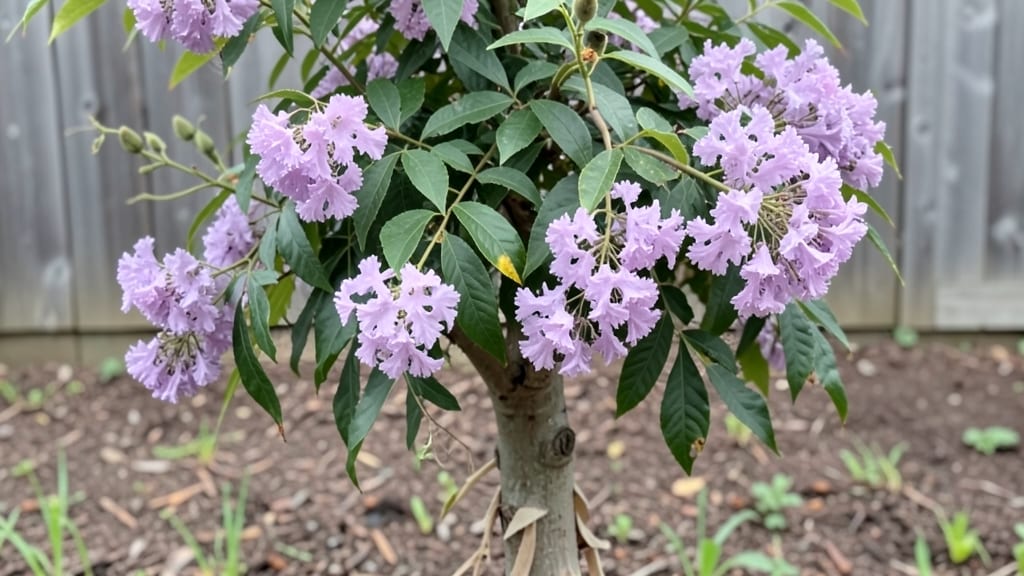
A crepe myrtle garden transforms any yard into a vibrant, fragrant retreat with minimal effort. 🌿 I planted mine last spring after years of struggling with high-maintenance shrubs—now they provide year-round privacy while blooming from summer through fall.
The peeling bark adds texture, and they handle drought like champs once established.
The real magic happens in how you use them: single specimens as statement trees, hedgerows for natural screens, or mixed borders with perennials like salvia or coneflowers.
They thrive in full sun, need little pruning, and attract hummingbirds—no wonder they’re called the "lilac of the South" (even if you’re not there).
By late summer, your garden will burst with pink, purple, or white blooms that last weeks longer than most flowers. The foliage stays lush even in heatwaves, and the trees grow tall enough to block nosy neighbors while keeping your space cool. Best of all? They’re deer-resistant and pest-free.
Whether you’re designing a formal privacy screen or a wildflower meadow, crepe myrtles adapt beautifully. Here’s how to make them the star of your outdoor space without the fuss of high-maintenance plants.
📚 In This Guide
- What you need
- Instructions
- Tips and common mistakes
- Wrapping up and next steps
What you need
- ● Crepe myrtle plants: 3–5 mature trees (or 5–10 smaller ones for a denser hedge). Choose varieties like Lagerstroemia indica for vibrant blooms.
- ● Shovel or spade: 1–2 heavy-duty models (for digging holes 2–3x wider than root balls).
- ● Garden gloves: 1 pair (to protect hands from thorns and soil).
- ● Mulch: 2–3 bags (2–3 inches of organic mulch like pine straw or shredded bark to retain moisture).
- ● Pruning shears: 1 pair (bypass pruners for clean cuts, 6–8" blades).
- ● Watering can or hose: 1 with a gentle spray nozzle (for post-planting hydration).
- ○ Soil amendment (optional but recommended): 1–2 bags of compost or peat moss (to improve drainage in heavy clay soil).
- ● Stakes & twine: 4–6 wooden stakes (for young trees in windy areas).
- ● Drip irrigation system: 1–2 zones (for automated watering, especially in hot climates).
- ● Slow-release fertilizer: 1–2 bags (balanced 10-10-10 or crepe myrtle-specific formula).
- ● Decorative rocks or edging: For a polished look around the base of your garden.
- ● Safety glasses: If pruning large branches (to protect from debris).
How to design a stunning crepe myrtle privacy garden
This is the approach I’ve used to create a lush, low-maintenance screen that blooms all summer—no fuss, just beauty.
🌱 Step 1: Choose the Right Varieties for Your Space
Crepe myrtles come in sizes from compact 6-foot shrubs to towering 20-foot trees. For a privacy screen, I recommend 10-15-foot varieties like 'Natchez' or 'Arapaho'—they strike the perfect balance between height and manageable size. These grow 3-4 feet per year, so you’ll get quick coverage without losing control.
Check your hardiness zone—most crepe myrtles thrive in USDA Zones 6-9. If you’re in Zone 5 or colder, opt for cold-hardy varieties like 'Yankee Doodle' or 'Burgundy'. Plant in full sun (at least 6-8 hours daily) for the best blooms and growth. I always double-check the tag for sun requirements before buying.
🪴 Step 2: Plant in Well-Draining Soil and Spaced for Growth
Dig holes twice as wide as the root ball but only as deep—crepe myrtles hate being buried too deep, which can strangle the roots. Amend the native soil with 2-3 inches of compost from your list to improve drainage and fertility. These plants despise soggy roots, so if your soil is heavy clay, mix in sand or perlite to loosen it up.
Space plants 8-12 feet apart for a dense screen. If you’re planting in a row, stagger them slightly so branches fill gaps naturally. Water deeply right after planting to settle the soil around the roots—you’ll see the ground firm up slightly as you press it down gently. Mulch with 2-3 inches of wood chips (from your materials) to retain moisture and suppress weeds.
☀️ Step 3: Prune for Shape and Encourage Fullness
Prune crepe myrtles right after flowering (late summer) to shape them and remove dead wood. Cut back any suckers at the base—they drain energy from the main plant. I like to thin out crowded branches inside the shrub to improve airflow, which prevents fungal issues. Never "top" crepe myrtles by cutting the top flat—this weakens the plant and creates ugly stubs.
For a privacy screen, let the natural vase shape form. Avoid heavy pruning in early spring—you’ll sacrifice next year’s blooms. Instead, focus on removing crossing branches and deadwood to keep the plant healthy. You’ll notice new growth emerging from the sides within 4-6 weeks after pruning, filling in any gaps.
💧 Step 4: Water Deeply and Fertilize Sparingly
Water deeply once a week during the first growing season to encourage deep root growth. Let the top 2 inches of soil dry out between waterings—crepe myrtles are drought-tolerant once established but need consistent moisture when young. Overwatering is the #1 killer, so I always check soil moisture with my finger before adding more water.
Fertilize once in early spring with a balanced 10-10-10 formula (from your materials) to jumpstart growth. Skip heavy fertilizers—they promote leafy growth at the expense of flowers. I’ve seen too many crepe myrtles turn into leafy monsters with no blooms because of over-fertilizing. A light feeding is all they need.
⏰ Step 5: Protect in Winter and Enjoy Year-Round Benefits
In colder zones, wrap young trees in burlap or use tree guards to shield them from winter winds. Mature crepe myrtles are tough and usually survive down to 10°F, but new growth can get damaged. I’ve found that mulching 3-4 inches deep around the base adds extra insulation. Prune any damaged branches in early spring before new growth starts.
Once established, crepe myrtles need almost no maintenance. They’ll reward you with vibrant blooms from summer to fall, and their exfoliating bark adds winter interest. The best part? They attract hummingbirds and butterflies—your garden will buzz with life all season long.
Tips & tricks for perfect crepe myrtle privacy gardens
Here's what I wish I'd known before starting my own crepe myrtle screen—these tips will help you avoid common pitfalls and create a showstopping privacy garden.
Variety Selection: When choosing your 10-15 foot varieties, look for plants labeled "dwarf" or "compact" if you want faster coverage—some growers sell these as "small tree" options. I've found that 'Natchez' and 'Arapaho' not only grow 3-4 feet per year but also have stunning blooms that last longer than other varieties. Check the tag for bloom color too—some have pink flowers while others are lavender or white.
Planting Depth: This is a critical mistake I see all the time—burying crepe myrtles too deep. The root flare (where roots spread out) should be visible above the soil line. If you bury it too deep, the plant will struggle and may even die. After planting, press the soil gently but firmly around the base to eliminate air pockets without compacting too much.
Pruning Timing: The late summer pruning after flowering is key for maintaining that beautiful vase shape. I've learned to mark my calendar for when the flowers start dropping—this is your cue to prune. Never prune in early spring because you'll cut off next year's flower buds. And remember, those 4-6 weeks of new growth after pruning are when your screen really starts looking lush and full.
Winter Protection: While mature crepe myrtles handle down to 10°F, young plants need extra care. I've found that wrapping the trunk in burlap and adding an extra 1-2 inches of mulch around the base makes a huge difference. The mulch acts like a blanket, protecting roots from temperature swings that can cause heaving. If you're in Zone 5, consider planting near a south-facing wall for extra winter protection.
Pro Tips for Crepe Myrtle Garden
- Here's what I wish I'd known before starting my own crepe myrtle screen—these tips will help you avoid common pitfalls and create a showstopping privacy garden.
- Variety Selection: When choosing your 10-15 foot varieties, look for plants labeled "dwarf" or "compact" if you want faster coverage—some growers sell these as "small tree" options.
- Planting Depth: This is a critical mistake I see all the time—burying crepe myrtles too deep.
Frequently asked questions
Got questions about creating a stunning crepe myrtle garden? You’re not alone! Here are some of the most common queries—and their answers—to help you design a lush, low-maintenance privacy screen that thrives year-round.
How fast do crepe myrtles grow, and when can I expect privacy?
Crepe myrtles grow surprisingly fast—typically 12 to 24 inches per year, depending on the variety. With proper care, you can expect a 6- to 8-foot-tall hedge in just 2–3 years, offering solid privacy. Dwarf varieties (like 'Arapaho' or 'Tonto') mature slower but still deliver beauty without bulk.
When is the best time to plant crepe myrtles for maximum success?
The ideal planting window is early spring or fall, when temperatures are mild (50–70°F). Avoid planting in summer heat or winter frost, as young roots struggle to establish. If you must plant in summer, water deeply 2–3 times per week and use shade cloth until roots settle.
What pests or diseases should I watch for in my crepe myrtle garden?
Crepe myrtles are disease-resistant, but watch for:
- Aphids or scale insects: Spray with water or insecticidal soap.
- Powdery mildew: Improve airflow and avoid overhead watering.
- Crepe myrtle bark scale: Prune infected branches and treat with horticultural oil.
Pro tip: Choose resistant varieties like 'Natchez' or 'Muskogee' to minimize issues.
Can I mix crepe myrtles with other plants for a layered garden?
Pair crepe myrtles with:
- Low-growing perennials (e.g., salvia, daylilies) for color.
- Ornamental grasses (like muhly or fountain grass) for texture.
- Evergreens (e.g., boxwood or holly) for winter structure.
Keep spacing in mind—crepe myrtles need 6–10 feet apart to avoid overcrowding.
Do crepe myrtles need pruning, and how often?
Prune once a year in late winter or early spring (before buds swell) to:
- Remove dead or crossing branches.
- Shape the canopy for airflow.
- Avoid "crepe murder" (over-pruning)—never cut into old wood!
Pro tip: Wait until after hard freezes to prune in cold climates.
Wrapping up and next steps
A crepe myrtle garden isn’t just a dream—it’s a vibrant, low-maintenance reality waiting to transform your outdoor space! With their stunning blooms, year-round privacy, and minimal upkeep, these trees are the perfect addition for any gardener.
Whether you’re a beginner or a seasoned pro, crepe myrtles offer beauty without the hassle.
Ready to get started? Roll up your sleeves and pick your favorite variety—your future shady, floral oasis is just a few steps away! 🌸