
Tools
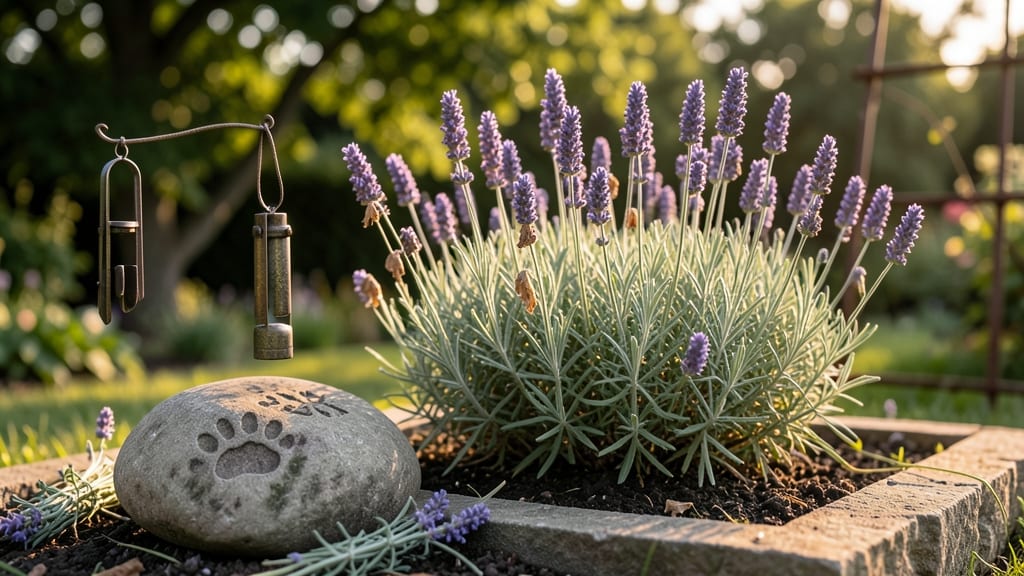
A memorial pet garden becomes a living tribute where every bloom tells their story. 🌻 I designed mine after losing my golden retriever, and the right plants—sunflowers for joy, lavender for calm—turned grief into something beautiful.
The key is blending their favorite textures and colors into a space that feels like them.
Start with durable plants like rosemary or sedum that thrive with minimal care, then add personal touches: engraved stones with their name, paw-print patterns in stepping stones, or a small bench where you can sit and remember.
Lighting with solar-powered path lights creates a peaceful evening glow, and wind chimes add gentle soundscapes for quiet reflection.
By the first anniversary, you’ll have a garden that grows more meaningful with each season. The sunflowers will reach toward the sky just like they did when they were young, and the lavender will fill the air with the same calming scent you remember from cuddle sessions.
It’s a place where love never fades, just transforms into something tangible.
This works for any space—backyard corners, balcony planters, or even a windowsill garden if that’s all you have. The goal isn’t perfection; it’s creating a sanctuary where every visit feels like a hug from your pet. Here’s how to make it happen without overcomplicating things.
📚 In This Guide
- What you need
- Instructions
- Tips and common mistakes
- Wrapping up and next steps
What you need
- ● Soil: 5–10 cubic yards of high-quality, well-draining garden soil (amend with compost for nutrients).
- ● Plants: Perennials (e.g., Lavender, Coneflowers, or Black-Eyed Susans) – 12–20 plants (mix of colors).
- ● Annuals (e.g., Marigolds, Petunias, or Snapdragons) – 10–15 plants for seasonal bursts.
- ● Evergreens (e.g., Boxwood, Juniper, or Holly) – 3–5 shrubs for year-round structure.
- ● Decorative Elements: A custom pet memorial plaque (engraved with your pet’s name and dates).
- ○ Small garden stones or markers (optional, for personalization).
- ● Basic Tools: Trowel, pruners, garden fork, wheelbarrow, and gloves.
- ○ Optional (but helpful): String line and stakes (for layout planning).
- ● Mulch (2–3 bags of shredded bark or pine straw).
- ● Watering can or hose with a gentle spray nozzle.
- ● Location: A sunny or partially shaded spot (6+ hours of sunlight for most flowers).
- ● Space: At least 4’x4’ (expandable based on your vision!).
- ● Permits (if needed): Check local regulations for cemetery-style memorials.
Step-by-Step instructions for designing a memorial pet garden
Here's how to create a peaceful, meaningful space that honors your pet's memory while bringing beauty to your yard.
🌱 Step 1: Choose a Thoughtful Location
Select a spot that feels special to you and your pet—perhaps where they loved to play or where you shared quiet moments together. A partially shaded area works well for many memorial plants, offering comfort without harsh sun. Measure the space carefully; aim for at least 4 feet by 4 feet to accommodate seating, plants, and a small memorial feature like a stone or plaque.
Check the sunlight patterns throughout the day. Most memorial gardens thrive with 4-6 hours of morning sun and gentle afternoon shade. If your yard gets intense afternoon heat, opt for shade-loving plants like hostas or ferns to keep the area cool and inviting. I like to sketch the space first—it helps visualize how everything will come together.
🪴 Step 2: Prepare the Soil and Select Plants
Loosen the soil to a depth of 12 inches with a garden fork or tiller, removing any weeds or rocks. Amend the soil with 2-3 inches of compost to improve drainage and provide nutrients for your plants. This step ensures roots can grow deeply without struggling in compacted earth.
Choose plants that bloom year-round or have lasting features like evergreen foliage. I recommend lavender for fragrance, roses for enduring beauty, and shrubs like boxwood for structure. Add a few perennials like coneflowers or black-eyed Susans for seasonal color. Group plants by their water needs to simplify care—cluster drought-tolerant plants together and moisture-loving ones near a water source.
✂️ Step 3: Add Memorial Features and Seating
Place a central feature like a garden bench or stone marker where you can sit and reflect. I like to use a simple, engraved stone with your pet’s name and a short message. Surround it with low-growing ground cover like creeping thyme or moss to create a soft, welcoming border. Add a small birdbath or fountain for soothing sounds—birds and butterflies will visit, adding life to the space.
Incorporate personal touches like a favorite toy, a framed photo, or a small solar-powered light. These details make the garden uniquely yours. I also like to add a small evergreen tree like a dwarf pine for year-round greenery and a sense of permanence. Plant it slightly off-center to create balance in the design.
💧 Step 4: Mulch and Water for Long-Lasting Care
Spread 2-3 inches of mulch around plants to retain moisture, suppress weeds, and regulate soil temperature. Use shredded bark or pine straw—both look natural and break down slowly. Keep mulch 2 inches away from plant stems to prevent rot. Water deeply after planting, soaking the soil to a depth of 6-8 inches to encourage strong root growth.
Water new plants every other day for the first 2 weeks, then taper to once a week once established. Check soil moisture by sticking your finger 1 inch deep—if it feels dry, it’s time to water. Avoid overhead watering to keep foliage dry and reduce disease risk. A drip irrigation system makes maintenance easier, especially if you visit the garden often.
☀️ Step 5: Maintain and Enjoy Your Tribute
Prune plants as needed to keep them healthy and shaped. Deadhead spent blooms to encourage more flowers, and trim overgrown foliage in early spring. I like to add fresh mulch every 6 months to keep the garden looking neat. Fertilize lightly in early spring with a balanced, slow-release fertilizer to support growth without overfeeding.
Visit your memorial garden regularly to tend to the plants and enjoy the peaceful atmosphere. Over time, it will become a living tribute that grows more beautiful with each season. Light a candle or bring a favorite book to make your visits even more meaningful. This garden isn’t just for your pet—it’s a place for healing, reflection, and cherished memories.
Tips & tricks for perfect memorial pet garden
Creating a meaningful memorial garden is about more than just plants—it's about crafting a space that feels like a true extension of your pet's spirit. Here are the thoughtful details that make all the difference.
Location Matters: I can't stress enough how important it is to choose a spot that holds personal significance. If your pet loved sunbathing in a particular corner, that's where you should plant their memorial garden. The 4-6 hours of morning sun mentioned in Step 1 is ideal because it creates a gentle, inviting atmosphere without the harshness of afternoon heat. Trust me, the right location will make every visit feel more meaningful.
Plant Selection Strategy: When selecting plants in Step 2, think about what would have appealed to your pet's senses. Lavender's fragrance might remind you of walks together, while roses could symbolize their gentle nature. I always include at least one evergreen like boxwood to provide year-round structure—it's a visual reminder that your pet's memory lives on through all seasons. For extra personalization, consider adding a plant that blooms around your pet's birthday or the anniversary of their passing.
Memorial Feature Placement: The central feature in Step 3 should be the focal point of your garden. When positioning your engraved stone or bench, imagine sitting there and what you'd want to see. Place it where you can see the entire garden while you reflect, but also where you'll feel surrounded by nature. I like to position the stone slightly off-center to create a more natural, organic feel—it prevents the garden from looking too symmetrical and stiff.
Long-Term Care Planning: The watering schedule in Step 4 can be adjusted based on your climate. In hotter regions, you might need to water every other day for the first 2 weeks instead of once a week. I recommend installing a simple drip irrigation system—it's worth the investment for a memorial garden. You'll appreciate not having to remember to water during your visits. The 6-month mulch refresh mentioned is perfect because it keeps the garden looking tidy without requiring constant maintenance.
Pro Tips for Memorial Pet Garden
- Creating a meaningful memorial garden is about more than just plants—it's about crafting a space that feels like a true extension of your pet's spirit.
- Location Matters: I can't stress enough how important it is to choose a spot that holds personal significance.
- Plant Selection Strategy: When selecting plants in Step 2, think about what would have appealed to your pet's senses.
Frequently asked questions
Got questions about creating a memorial pet garden? We’ve got answers! Here are some of the most common inquiries to help you plan a meaningful and lasting tribute for your beloved pet.
What’s the best time of year to plant a memorial pet garden?
The ideal time depends on your climate, but spring or early fall are usually best. These seasons offer mild weather, allowing plants to establish roots before extreme temperatures. If you’re in a warmer region, winter planting can also work—just ensure plants get enough water.
Can I include my pet’s ashes in the garden?
Many pet owners scatter ashes directly into the soil or mix them into the top layer of mulch. You can also plant flowers or herbs in the area where the ashes are placed. Just avoid using treated wood or chemicals near the site to keep it safe and natural.
What are some low-maintenance plants for a memorial garden?
Opt for hardy, drought-tolerant plants like lavender, sunflowers, or succulents to minimize upkeep. Perennials (plants that return yearly) like roses, daisies, or hostas are also great choices—they’ll keep blooming with little effort, just like your pet’s love for you.
How do I keep pests away from my memorial garden?
Use natural pest control methods like neem oil, companion planting (e.g., marigolds with roses), or homemade garlic spray. Avoid chemical pesticides—they can harm the environment and the sacred space you’ve created. Regularly check for pests and remove them by hand if possible.
What if I don’t have outdoor space for a garden?
No outdoor space? No problem! Consider a container garden with herbs or flowers on a balcony, patio, or even indoors near a sunny window. You can also create a memory table with photos, paw prints, and small potted plants to honor your pet year-round.
Wrapping up and next steps
A memorial pet garden is more than just a space—it’s a living tribute that honors your beloved pet’s memory while bringing beauty and comfort to your life. By blending meaningful plants, thoughtful design, and personal touches, you create a sanctuary that blooms with love year-round.
Whether you’re just starting or refining your garden, every step is a way to celebrate and cherish the bond you shared.
Ready to turn your vision into reality? Start small—plant a single flower, add a photo, or sketch your dream layout. Your pet’s legacy deserves to grow, just like the love you have for them. 🌸