Tools
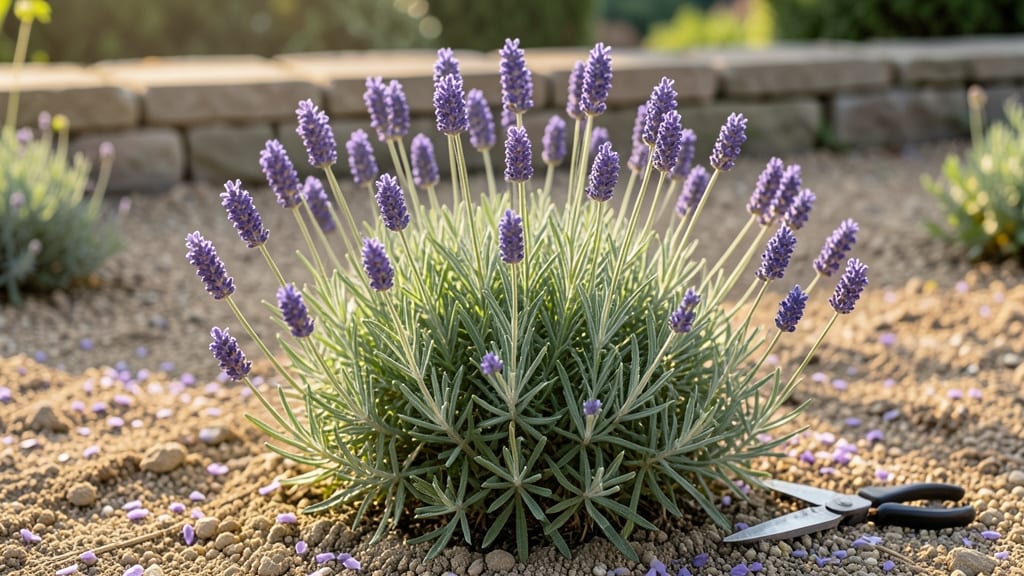
Facts about gardening uncover fascinating truths like how plants share nutrients through underground fungal networks, why compost piles heat up faster with nitrogen-rich green materials, and how overwatering actually suffocates roots more than drought ever could. These overlooked details change how you approach your garden.
Many gardeners focus on visible factors like sunlight and water, but the real magic happens below ground. 🌱 Plants communicate through mycorrhizal networks, creating a "wood wide web" that helps them share nutrients and warnings about pests. This means your tomatoes might be helping your basil grow stronger!
Meanwhile, compost science shows that adding kitchen scraps like banana peels or coffee grounds speeds up decomposition by feeding beneficial microbes. And here's the kicker: most plants prefer slightly dry soil to soggy roots, which is why your favorite houseplants might be slowly dying from too much love.
These insights aren't just academic - they translate directly to your garden's health. For example, knowing when to prune based on plant growth cycles (not just calendar seasons) can double your harvest.
The key is paying attention to what you can't see: the soil's microbial life, the hidden communication between plants, and how even small adjustments in watering habits can make all the difference.
💡 In This Article
- Hidden Science Behind Plant Growth Secrets
- Overlooked Gardening Techniques for Better Yields
Hidden science behind plant growth secrets
Plants don't grow in isolation—they form intricate underground networks through mycorrhizal fungi, often called the "wood wide web." These fungal threads connect different plant species, allowing them to share nutrients like phosphorus and carbon.
For example, a struggling oak tree might receive sugars from nearby grasses through this network, while the grasses get nitrogen in return. This symbiotic relationship explains why diverse plantings often outperform monocultures, as different species support each other's growth. 🌿
The science gets even more fascinating when you consider how light wavelengths trigger flowering. Plants use photoreceptors like phytochrome to detect red and far-red light ratios, which determine whether they'll bloom or stay vegetative.
A common misconception is that all sunlight is equal, but blue light (400-500 nm) promotes leafy growth, while red light (600-700 nm) encourages flowering. Grow lights that mimic these ratios can make indoor plants flower months earlier than they would under standard white bulbs.
Soil microbes play an equally vital role in plant nutrition. Beneficial bacteria like Pseudomonas and Bacillus species break down organic matter into forms plants can absorb, while mycorrhizal fungi extend root systems by up to 100 times their original length.
This explains why adding compost or worm castings often leads to dramatic improvements in plant health—it's not just about nutrients, but about creating the right microbial ecosystem. The key is maintaining a balanced soil pH (typically 6.0-7.0) to keep these microbes active.
One of the most counterintuitive gardening facts is that many plants actually prefer slightly dry soil to consistently wet conditions. Overwatering disrupts oxygen flow to roots, leading to rot and disease.
For instance, succulents and cacti have evolved to store water, while even tomatoes thrive better with 1-1.5 inches of water per week rather than daily soaking. The soil's moisture level affects microbial activity too—anaerobic conditions (from overwatering) produce harmful gases like methane, while well-aerated soil fosters beneficial bacteria.
Here's another surprising truth: plants can "hear" vibrations in the soil. When caterpillars chew on leaves, the vibrations travel through the plant's vascular system, triggering defensive responses like releasing toxins. Researchers found that maize plants exposed to these vibrations produced 60% more caterpillar-repelling chemicals than undisturbed plants.
This explains why some gardeners notice fewer pests when they gently tap their plants during inspections—it's not just psychological!
The science behind composting reveals why green materials (like vegetable scraps) heat up compost piles faster than brown materials (like dry leaves). Green materials are rich in nitrogen, which microbes need for rapid reproduction and heat generation.
A properly balanced compost pile can reach 130-160°F—hot enough to kill weed seeds and pathogens—within 2-3 weeks. This is why adding equal parts greens and browns creates the ideal environment for decomposition. 🔥