
Advice
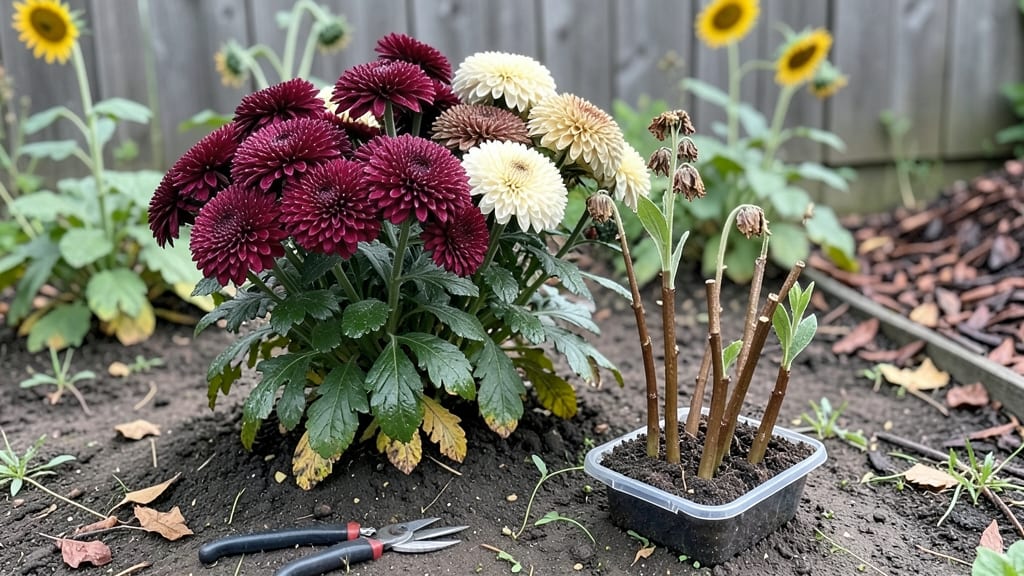
Fall garden care isn't about shutting down—it's about setting the stage for next year's success while keeping your garden productive through the cooler months. 🌿 I learned the hard way that rushing to clean up too early means lost harvests and weak soil, but the right late-season moves pay off in bigger yields and easier spring planting.
The key is a mix of quick tasks and longer-term prep: harvesting what's ready, protecting tender plants from early frosts, and feeding the soil for winter.
You'll need basic tools like pruners, frost blankets, and compost, but the real secret is timing—knowing when to cut back perennials versus when to leave them for winter interest. My garden stayed productive for an extra 6 weeks last fall just by focusing on these simple adjustments.
By winter's arrival, you'll have a garden that looks tidy but is actually thriving underground, with soil rich enough to grow strong spring crops.
The peace of mind knowing your plants are protected—and the fresh herbs and greens you'll harvest right up until snowfall—make every 30 minutes of fall work worthwhile. Let's get your garden winter-ready the smart way.
These tips work whether you're in a mild climate or facing hard freezes, though the exact timing shifts based on your first frost date. The principles stay the same: protect what's left, feed the soil, and give yourself a head start on next season's growth.
📚 In This Guide
- What you need
- Instructions
- Tips and common mistakes
- Wrapping up and next steps
What you need
- ● Garden gloves (1–2 pairs, water-resistant, heavy-duty for durability)
- ● Pruning shears (bypass type, sharp blades for clean cuts)
- ● Hand trowel (stainless steel, 6–8 inches for precision)
- ● Garden fork (heavy-duty, 12–18 inches for aerating soil)
- ● Rake (bow or leaf rake, 24–36 inches for debris cleanup)
- ● Hoe (stainless steel, 12–18 inches for weeding and soil prep)
- ● Wheelbarrow or bucket (5–10 gallons for hauling compost/soil)
- ● Compost or well-aged manure (5–10 gallons, depending on bed size)
- ● Mulch (straw, shredded leaves, or wood chips, 2–3 inches thick)
- ● Garden twine or stakes (for supporting heavy crops like squash or pumpkins)
- ● Seed packets (cool-season crops: kale, spinach, carrots, radishes)
- ● Plant markers (biodegradable or reusable for labeling new plantings)
- ● Soil test kit (to check pH and nutrient levels before planting)
- ● Row covers or frost cloth (for protecting tender plants from early frosts)
- ● Knee pads or cushion (for comfort during long gardening sessions)
- ● Spray bottle (for watering seeds or seedlings)
- ● Garden journal (to track plant progress and notes for next season)
- ● Cold-frame or mini greenhouse (to extend the growing season)
Step-by-Step guide to late-season fall garden maintenance
Here's how I keep my garden thriving through crisp autumn air and into winter.
🌿 Step 1: Harvest and Prune for Extended Production
Start by harvesting any remaining ripe produce before the first frost. For leafy greens like kale and Swiss chard, you'll love how they actually sweeten after a light frost—just pick them before hard freezes hit. Use clean, sharp shears to snip stems at the base, leaving about 1 inch of growth to encourage regrowth.
For perennials like asparagus and rhubarb, cut back dead foliage but leave the crowns intact. This protects the roots from winter cold while allowing new shoots to emerge in spring. I always wear gloves when handling thorny plants like raspberries—those can draw blood if you're not careful!
💧 Step 2: Water Deeply and Adjust Irrigation
Reduce watering frequency but increase depth—soak the root zone to 6-8 inches deep every 5-7 days instead of daily. You'll notice this by checking soil moisture with your finger; it should feel damp but not soggy at that depth. Early morning watering prevents fungal issues that thrive in evening dampness.
For container plants, move them to sheltered locations or wrap pots in bubble wrap to insulate roots. I've found that grouping containers together creates a microclimate that retains warmth better than isolated pots. Drainage holes should still be clear—never let containers sit in saucers of standing water.
✂️ Step 3: Clean Up and Protect Soil Health
Remove all diseased plant debris immediately to prevent overwintering pathogens. I use a sharp shovel to cut stems at the base rather than pulling, which can spread soil-borne diseases. For healthy plants, chop up leaves and stems and spread them as mulch around perennials.
Apply a 2-3 inch layer of compost or leaf mold over garden beds to feed soil microbes and insulate roots. This is especially critical for tender perennials like lavender and rosemary. Avoid fresh grass clippings—they mat down and can smother plants.
☀️ Step 4: Prepare for Winter Dormancy
For tender plants like tomatoes and peppers, pull them completely and compost the debris. You'll see their stems blacken and collapse as temperatures drop—this is your cue to act. Mulch remaining garden beds with straw or shredded leaves to protect soil structure from freeze-thaw cycles.
Mark the locations of perennials and shrubs with stakes so you won't disturb them when tilling in spring. I use bright flags tied to branches—no one wants to accidentally dig up their hydrangeas! This simple step saves hours of confusion next season.
Tips & tricks for perfect fall garden care
Fall garden maintenance can make all the difference between a struggling winter garden and one that thrives. Here are the key strategies I've learned to keep your garden healthy through the season.
Timing is Everything: When harvesting leafy greens like kale and Swiss chard in Step 1, I've found that picking them right before a light frost actually enhances their sweetness. Use a sharp knife to cut stems at the base, leaving about 1 inch of growth to encourage regrowth. For tender plants like tomatoes, watch for those blackened stems as your cue to pull them completely—this usually happens when nighttime temperatures consistently drop below 40°F.
Soil Protection Secrets: In Step 3, when you're applying that 2-3 inch layer of compost or leaf mold, focus especially on tender perennials like lavender and rosemary. I've learned that adding a thick layer of straw on top of your compost creates an extra insulating blanket that protects roots from temperature fluctuations. This double-layer approach has saved my rosemary bushes from winter dieback in colder climates.
Container Care: For container plants mentioned in Step 2, I've discovered that moving them to sheltered locations like against south-facing walls or under eaves can add valuable degrees of warmth. Grouping containers together creates a microclimate that retains heat better than isolated pots. Just remember to check those drainage holes—standing water in saucers can actually freeze and crack your pots during temperature swings.
Visual Marking System: The stake marking technique in Step 4 has saved me hours of frustration in spring. I use bright-colored surveyor's flags tied to branches, which are much more visible than simple stakes. For larger shrubs, I'll even write the plant name on the flag with a permanent marker. This simple system prevents accidental digging and helps me remember which plants need special care in spring.
Pro Tips for Fall Garden Care
- Fall garden maintenance can make all the difference between a struggling winter garden and one that thrives.
- Timing is Everything: When harvesting leafy greens like kale and Swiss chard in Step 1, I've found that picking them right before a light frost actually enhances their sweetness.
- Soil Protection Secrets: In Step 3, when you're applying that 2-3 inch layer of compost or leaf mold, focus especially on tender perennials like lavender and rosemary.
Frequently asked questions
Got questions about keeping your garden thriving in the fall? Here are some common concerns—answered simply and with a little extra help!
When should I start preparing my garden for winter?
Start late September to early October, depending on your climate. Focus on cleaning up debris, mulching, and planting cold-hardy crops like kale or spinach. In colder zones, protect tender plants with row covers or move them indoors. Pro tip: Check your USDA Hardiness Zone for exact timing—it’s your garden’s personal calendar!
What should I do with my garden tools before winter?
Clean and store tools properly to prevent rust and damage! Remove dirt with a wire brush, dry them thoroughly, and apply a light coat of oil to metal parts. Sharpen blades (like pruners) and hang them in a dry place. If you have a compost bin, wash tools with vinegar water to kill bacteria. Never leave them wet or stored in damp conditions—rust is the enemy!
Can I still plant vegetables in the fall?
What should I grow?
Fall is a golden opportunity for cool-season crops. Try leafy greens (kale, spinach), root veggies (carrots, beets), or brassicas (broccoli, cabbage). These thrive in cooler temps and can even survive light frosts. Plant 6–8 weeks before your first frost for the best harvest. Pro tip: Use mulch to insulate soil and keep roots warm!
How do I protect my plants from early frosts?
Frosts can sneak up fast—here’s how to shield your plants:
- Row covers (floating fabric) trap heat like a cozy blanket. Secure them with bricks or clips.
- Move potted plants to sheltered spots like garages or patios.
- Water soil before a frost—moisture acts as a natural insulator.
- Use mulch (straw or leaves) around perennials to protect roots.
What’s the best way to compost fallen leaves in my garden?
Fallen leaves are composting gold! Shred them first (a lawnmower works great) to speed up decomposition. Mix with nitrogen-rich materials like grass clippings or manure (1:1 ratio). Pile in a bin or directly on garden beds, keeping moist. They’ll break down in 6–12 months, creating nutrient-rich mulch for next year. Bonus: Skip the bag—return leaves to your soil for a free, organic boost!
Wrapping up and next steps
Fall garden care is all about harvesting wisely, protecting your plants, and setting the stage for next year’s success—without the overwhelm! By focusing on late-season tasks like mulching, soil prep, and strategic planting, you’ll extend your harvest and give your garden a strong foundation for winter. 🌱
Don’t let the cooler weather slow you down—take one step at a time. Start with the easiest tasks (like clearing debris or adding compost) and celebrate small wins. Your future self—and your garden—will thank you!
Next up: Grab your favorite cozy drink, put on some music, and spend just 30 minutes this weekend tackling one fall garden task. Which one will you try first? 😊