
Advice
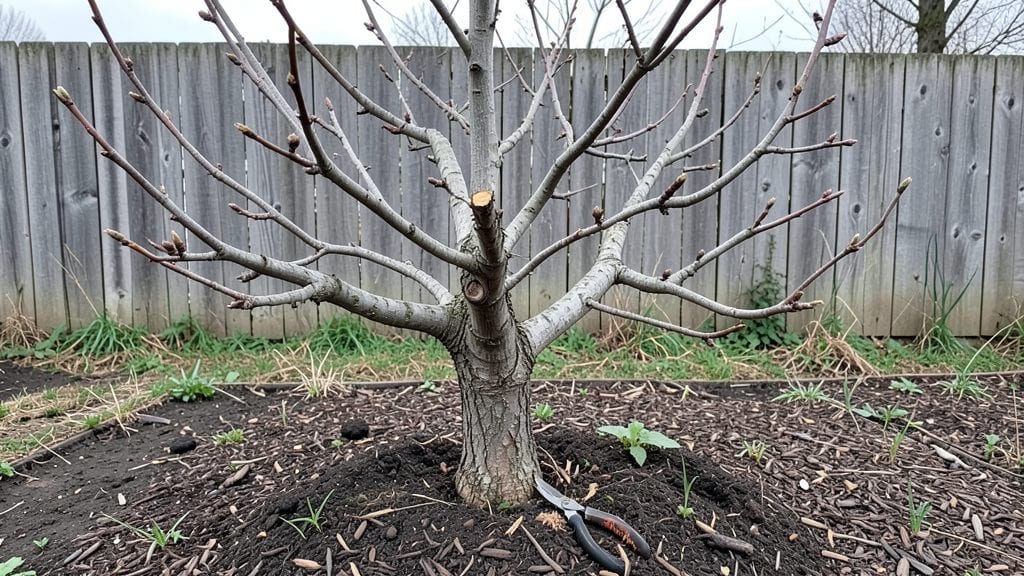
February gardening tasks set the stage for a showstopping spring—this is when dormant plants wake up and early bloomers like crocuses peek through snow. I’ve spent years watching my garden transform from bare ground to blooming chaos starting in February, and the secret isn’t waiting until it’s warm.
It’s about working with what’s already happening underground while protecting what’s vulnerable above.
The first order of business? Cleaning and sharpening tools—rusty pruners and dull shovels make everything harder. Then, it’s time to plan: sketch your garden layout, order seeds, and mark frost dates in your journal (trust me, you’ll forget).
For those with mild winters, February is prime time to direct-sow peas, spinach, and lettuce, while frost-prone zones can start seeds indoors under grow lights.
What you’ll end up with is a garden that’s already ahead of the game—soil loosened and enriched, plants pruned for better blooms, and seedlings ready to transplant when the time comes.
The payoff? Fewer last-minute scrambles and more time enjoying the first flush of spring color. Let’s get those gloves on and make it happen.
Whether you’re in a snowy zone or a mild-winter region, the principles stay the same: protect what’s planted, prep what’s dormant, and start what’s waiting for spring. Here’s how to tackle it step by step—no matter where you live.
📚 In This Guide
- What you need
- Instructions
- Tips and common mistakes
- Wrapping up and next steps
What you need
- ● Garden gloves – Waterproof, breathable, and durable (1–2 pairs). Look for reinforced palms and touchscreen-compatible options for convenience.
- ● Pruning shears – Bypass-style, sharp, and rust-resistant (1 pair). Ideal for trimming dead growth on perennials and shrubs.
- ● Trowel – Stainless steel, 6–8 inches long (1–2). Perfect for planting seeds, bulbs, and small transplants.
- ● Garden fork – Heavy-duty, 12–18 inches (1). Helps loosen soil and mix in amendments like compost.
- ● Rake – Bow or leaf rake, depending on your needs (1). Useful for clearing debris and leveling soil.
- ● Wheelbarrow or garden cart – Durable, with at least 3 wheels (1). Makes hauling soil, mulch, or tools a breeze.
- ● Compost or soil amendments – Well-aged compost, peat moss, or organic matter (5–10 gallons, depending on garden size). Boosts soil fertility for spring planting.
- ● Mulch – Straw, shredded leaves, or wood chips (2–5 bags, depending on coverage area). Protects soil from freezing and retains moisture.
- ● Seed starting supplies – Biodegradable pots, seed-starting mix, and a humidity dome or plastic wrap (if starting indoors).
- ● Frost cloth or row covers – Lightweight, breathable fabric (enough to cover vulnerable plants). Shields tender seedlings from late frosts.
- ● Soil thermometer – Ensures your soil is warm enough for planting (aim for 50–60°F for most cool-season crops).
- ● Garden journal – Tracks planting dates, soil conditions, and plant progress for future reference.
- ● Knee pads or cushion – Saves your joints during long gardening sessions.
- ● Portable watering can – 5-gallon capacity for gentle watering of seedlings or potted plants.
- ● Plant labels and markers – Helps keep track of what you’ve planted, especially if you’re experimenting with new varieties.
- ● Pest control tools – Neem oil, diatomaceous earth, or a hose nozzle for blasting off pests (preventative measures for early spring).
Step-by-Step February gardening tasks for spring prep
Here’s how to tackle February’s essential chores—no matter your zone—to set up a thriving garden.
Plan Your Planting Schedule Based on Your Zone
First, check your last frost date—this determines when you can safely start seeds indoors or plant cool-season crops outdoors. I always pull out my local frost chart and mark the dates on my calendar. For most of the U.S., February is prime time to begin sowing cold-hardy vegetables like peas, spinach, and kale directly in the garden, while tender plants like tomatoes and peppers still need to wait for indoor starts.
If you’re in a warmer zone (like Zone 8-10), you might even be able to plant lettuce or radishes outdoors this month. For colder regions (Zones 3-6), focus on indoor seed starting and soil prep. Write down your planting dates so you don’t forget when it’s time to move seedlings outside.
Start Seeds Indoors for Early Spring Plants
If you’re growing tomatoes, peppers, or other warm-season crops, now’s the time to begin. Fill small seed trays with the seed-starting mix and sow seeds at the depth recommended on the packet—usually about twice the seed’s diameter. I like to use a spray bottle to keep the soil moist without disturbing the seeds.
Place the trays in a warm spot, like on top of the fridge or near a sunny window, and cover them with plastic wrap to retain moisture. Seeds need consistent warmth—around 70-75°F—to germinate properly. Once you see sprouts, move them to a bright location with 12-14 hours of light daily. Without enough light, seedlings stretch and weaken, which is a common mistake.
Prepare Garden Beds for Spring Planting
Even if the ground is frozen, you can still improve your soil. Break up any remaining debris from last season and add a 2-3 inch layer of compost to enrich the soil. I like to use a broadfork to loosen compacted areas without turning the soil too much, which helps preserve its structure.
If your soil is heavy clay or sandy, mix in some organic matter like peat moss or well-rotted manure to improve drainage and fertility. Avoid working the soil if it’s waterlogged—wait until it’s dry enough to crumble in your hands. This prep work now means healthier plants later.
Protect Perennials and Bulbs from Frost
Check your perennials and spring-blooming bulbs for signs of winter damage. If you see dead or brown foliage, trim it back but leave the stems intact—this helps protect the roots from temperature swings. For tender perennials, like lavender or rosemary, mound 2-3 inches of mulch around the base to insulate the roots.
If you have spring-blooming bulbs, like tulips or daffodils, avoid disturbing them now. They’re still dormant and need to stay undisturbed until shoots appear in late winter. A light layer of mulch will also protect them from extreme cold and prevent soil heaving.
Prune and Clean Up Winter-Damaged Plants
Now’s the time to prune dead or diseased branches from roses, fruit trees, and shrubs. Use clean, sharp pruners to make cuts just above a bud or outward-facing branch. I always sterilize my tools with rubbing alcohol before and after pruning to prevent spreading disease.
Avoid heavy pruning of spring-flowering shrubs, like lilacs or forsythia, since you’ll cut off next year’s blooms. Instead, focus on removing dead wood and shaping the plant. Clean up any fallen leaves or debris from around plants to reduce pest and disease risks. This cleanup keeps your garden healthy and tidy for spring.
Tips & tricks for perfect February gardening prep
A few extra steps now can make all the difference when spring arrives. Here's how to get the most out of your February garden prep without common pitfalls.
Zone-Specific Timing: The planting schedule in Step 1 depends entirely on your last frost date, so take a moment to verify yours using your local cooperative extension service or a reliable gardening website. For example, if you're in Zone 5, you might have another two weeks before safely planting cool-season crops outdoors, while Zone 8 gardeners could start planting lettuce this month. I always mark these dates on my calendar with bright markers so they don't get overlooked during busy weeks.
Seed Starting Secrets: When starting seeds indoors in Step 2, resist the urge to overwater them after planting. Instead of drowning the seeds, use a spray bottle to mist the soil lightly—this keeps seeds moist without disturbing their delicate placement. After germination, maintain that 70-75°F warmth by placing trays on top of refrigerators (which maintain consistent temperatures) or using seedling heat mats. I've found that placing trays on a heating pad set to low works perfectly for maintaining that crucial warmth without needing special equipment.
Soil Prep Strategy: In Step 3, focus on improving soil structure rather than just adding compost. For heavy clay soils, mix in a 2-3 inch layer of coarse sand or perlite to improve drainage. Sandy soils benefit from adding organic matter like leaf mold or coconut coir to help retain moisture. I like to use a broadfork to loosen soil without turning it completely—this preserves beneficial soil organisms while improving aeration. Always work soil when it's dry enough to crumble in your hands; working wet soil compacts it further.
Frost Protection Tactics: For Step 4, consider using frost blankets or old bedsheets to protect tender perennials during unexpected cold snaps. These lightweight covers trap heat without smothering plants. I've also had success with straw mulch—it's more insulating than traditional mulch and breaks down to enrich the soil. When protecting bulbs, avoid using heavy mulch that could cause soil heaving when temperatures fluctuate. A 2-3 inch layer of straw or shredded leaves works perfectly while allowing water to penetrate.
Pro Tips for February Gardening Tasks
- A few extra steps now can make all the difference when spring arrives.
- Zone-Specific Timing: The planting schedule in Step 1 depends entirely on your last frost date, so take a moment to verify yours using your local cooperative extension service or a reliable gardening website.
- Seed Starting Secrets: When starting seeds indoors in Step 2, resist the urge to overwater them after planting.
Frequently asked questions
Got questions about tackling February gardening tasks? You’re not alone! Here are some of the most common ones—and their practical solutions—to help you prep your garden like a pro, even in chilly weather.
Can I still plant seeds in February, or should I wait?
It depends on your climate! In mild winter zones (like Zones 8-10), you can direct-sow cool-season crops like lettuce, peas, or spinach. For colder regions, start indoor seeds (e.g., tomatoes, peppers) under grow lights or wait until soil warms in spring. Always check your last frost date—a quick online search will save you guesswork!
How do I protect my garden from late winter freezes?
Use row covers, cloche tunnels, or even old blankets draped over tender plants (secure with bricks!). For soil warmth, lay down black plastic mulch or straw a few weeks before planting. If a hard freeze is forecast, water plants thoroughly the night before—moist soil insulates roots better. Pro tip: Group plants together to create microclimates that trap heat!
What’s the best way to sharpen garden tools for February prep?
Use a file or whetstone for pruners and loppers, focusing on the cutting edges at a 20-30° angle. For trowels and shovels, a coarse sandpaper (80-100 grit) works wonders. After sharpening, oil metal parts with mineral oil to prevent rust. Don’t skip this step! Dull tools make work harder—and can damage plants.
Should I prune trees and shrubs in February?
Timing matters! Dormant pruning (late winter/early spring) is ideal for most trees and shrubs, as it’s easier to see their structure without leaves. Avoid pruning spring-flowering plants (like lilacs or hydrangeas) until after they bloom, or you’ll cut off next year’s flowers. For fruit trees, prune before buds swell to reduce disease risk.
What do I do if my soil looks waterlogged after winter rains?
Waterlogged soil suffocates roots! Improve drainage by amending with compost (adds air pockets) or mixing in sand/perlite (for heavy clay). Plant drought-tolerant crops (like kale or Swiss chard) in affected areas. If possible, avoid working the soil until it’s crumbly—walking on it compacts it further. A soil test can also reveal if nutrients are leaching away.
Bonus Tip: February Checklist for Lazy Gardeners!
- Clean up debris—diseases hide in old leaves! (10 mins)
- Test soil pH—kits are cheap and save you from guessing. (5 mins)
- Order seeds/catalogs—popular varieties sell out fast! (Online or coffee-table browsing)
- Sharpen tools—do it now so you’re ready when spring hits. (15 mins)
Small steps in February = big rewards when spring arrives!
Wrapping up and next steps
February is your chance to set the stage for a thriving spring garden—even in the chill!
By tackling cold-weather prep like pruning, soil prep, and early sowing, you’re not just surviving winter; you’re winning the growing season. 🌱✨ Small steps now mean bigger rewards when blooms burst forth and harvests roll in.
Ready to dive deeper? Start small—pick one task from this guide and make it your February focus. Then, check back next month for March’s to-do list, where we’ll build on your progress. Happy gardening!