Diseases
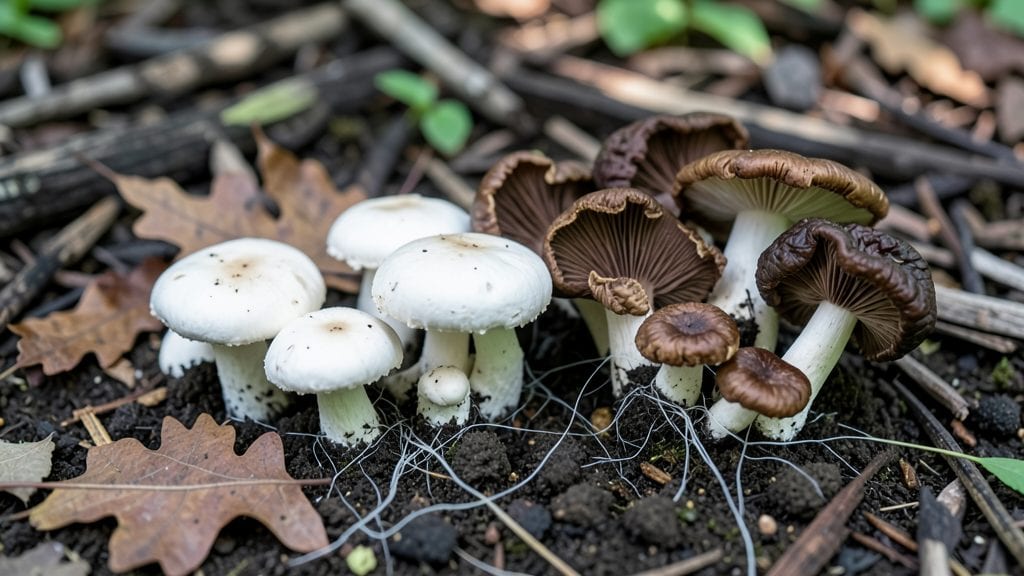
Identifying garden fungus types starts with noticing the weird stuff on your plants—those fuzzy spots, powdery coatings, or sudden leaf rot that wasn’t there yesterday. 🌱 I’ve lost entire tomato plants to blight and watched roses turn to mush from mildew, so I know how panic-inducing those first signs can be.
The key is catching it early, before it spreads like wildfire through your garden.
Most fungal problems pop up when three things align: warm, damp weather, crowded plants, and poor airflow. Powdery mildew loves shady, humid corners, while rust fungus thrives on wet leaves, and root rot hides in soggy soil where water pools.
The good news? Once you recognize the patterns, you can outsmart them with simple fixes—like spacing plants better or watering at the right time.
You’ll learn to spot each type by its telltale signs—rust’s orange pustules, mildew’s white dust, or blight’s dark, greasy patches—and how to treat them without harsh chemicals. Organic sprays, copper fungicides, and even homemade baking soda mixes can save your garden if you act fast.
The goal isn’t just to kill the fungus but to break the cycle so next season starts clean.
Whether you’re dealing with a single infected leaf or a full-blown outbreak, this guide gives you the tools to diagnose, treat, and prevent the most common backyard invaders. No more guessing—just clear steps to keep your plants healthy and thriving.
Root Causes Of Fungal Growth
Fungal spores are everywhere in your garden—they’re not the invaders—but the right conditions turn them into a full-blown problem. 🌱💥 Understanding why fungi thrive helps you disrupt their lifecycle before they spread. Let’s break down the key triggers:
Fungi love dampness because their spores germinate and spread in wet conditions. Here’s why moisture is their #1 ally:
- Waterlogged soil: Overwatering or heavy clay soil traps moisture, creating the perfect breeding ground. Fungi like Phytophthora (root rot) and Rhizoctonia (damping-off) thrive in soils that stay soggy for days.
- Fungal spore splash: Rain or overhead irrigation splashes spores from infected leaves or soil onto healthy plants, accelerating spread. Powdery mildew and rust fungi rely on this airborne transmission.
- Condensation: Dense foliage (like hostas or ferns) traps humidity, leading to leaf-surface fungi like downy mildew. Early mornings with dew are prime infection windows.
Actionable fix: Improve drainage with compost or sand, water at the base (not overhead), and space plants for airflow. 💡 Pro tip: Use drip irrigation to keep leaves dry.
Most garden fungi have a sweet spot for growth—usually between 60°F–80°F (15°C–27°C). Here’s how heat and cold play a role:
| Fungus Type | Temperature Preference | Why It Matters |
|---|---|---|
| Powdery Mildew | 60°F–75°F (15°C–24°C) | Cooler nights with warm days create high humidity, perfect for spore germination. |
| Black Spot (Roses) | 70°F–85°F (21°C–29°C) | Heat stress weakens plants, making them susceptible to fungal invasion. |
| Armillaria (Honey Fungus) | 50°F–70°F (10°C–21°C) | Cool, damp conditions let this wood-decaying fungus spread underground for years. |
Actionable fix: Monitor your microclimate—mulch to moderate soil temps, avoid nighttime watering in heatwaves, and choose heat-tolerant plants (e.g., lavender, rosemary) to reduce stress.
Fungi are decomposers, meaning they feed on decaying plant material, compost, and even living roots. Here’s how organic buildup fuels their growth:
- Old mulch or leaves: Thick layers of untreated wood chips or grass clippings create a fungal buffet. Slime molds (like Fuligo septica) erupt from over-mulched soil.
- Compost piles: Improperly turned compost heats unevenly, killing beneficial microbes but leaving fungal spores to dominate. Mushrooms popping up here signal excess moisture + organic waste.
- Weakened plants: Stressed plants (from over-fertilizing or poor soil) have lower defenses, making them easy targets for root-infecting fungi like Verticillium wilt.
Actionable fix: Refresh mulch annually, turn compost regularly, and balance nitrogen (for growth) with potassium (for disease resistance). 🌡️ Pro tip: Use compost tea to boost soil microbes that outcompete fungi.
Fungi exploit open wounds—whether from pruning, pests, or environmental harm. Here’s how stress invites them in:
- Pruning cuts: Jagged edges or tools contaminated with fungal spores (like Botrytis) create entry points.
- Insect damage: Sap-sucking pests (e.g., aphids) weaken plants, making them vulnerable to sooty mold (a fungus that grows on honeydew).
- Competition for resources: Overcrowded plants compete for water/nutrients, leading to slow growth and fungal susceptibility.
Actionable fix: Sterilize pruners with rubbing alcohol, space plants for airflow, and treat pest outbreaks before fungal symptoms appear. ✨ Pro tip: Prune in dry, sunny conditions to speed wound healing.
By addressing these core triggers—moisture, temperature, nutrients, and stress—you disrupt the fungal lifecycle before it takes hold. The key? Prevention (not just reaction). Stay tuned for how to identify these fungi in your garden before they cause damage.
Quick Fixes for Fungal Foes
Fungal infections in your garden can feel like an unwinnable battle, but with the right strategies, you can reclaim your plants and keep them thriving.
Below, we’ve mapped out practical, step-by-step solutions for the most common garden fungus types—whether it’s powdery mildew, rust, blight, or root rot—along with prevention tips to stop future outbreaks. Think of this as your fungal-fighting playbook!
Cause: High humidity, poor airflow, or crowded plants. Fix:
- 🌿 Prune for airflow – Trim dense foliage to improve circulation.
- 💦 Water wisely – Water early in the day so leaves dry quickly.
- 🧼 Spray with baking soda mix – Combine 1 tbsp baking soda, 1 tsp dish soap, and 1 gallon water. Spray every 7–10 days.
- 🌱 Use resistant plants – Opt for mildew-resistant varieties like Swiss chard or zinnias.
Prevention:
- Space plants 12–18 inches apart.
- Avoid overhead watering.
- Mulch to reduce soil moisture around plants.
Cause: Wet leaves, warm temperatures, and susceptible host plants (like roses or beans). Fix:
- ✂️ Remove infected leaves – Burn or discard them (don’t compost!).
- 🛡️ Apply fungicide – Use neem oil (1 tbsp per quart of water) or copper fungicide.
- 🌡️ Adjust watering – Water at the base, not the foliage.
Prevention:
- Clean up fallen leaves in autumn.
- Rotate crops to avoid reinfection.
- Choose rust-resistant plant varieties.
Cause: Cool, wet conditions (especially in late summer). Fix:
- 🚨 Act fast! – Remove infected plants immediately to prevent spread.
- 🧴 Use copper or chlorothalonil – Spray every 7–10 days for protection.
- 🌱 Plant resistant varieties – Try ‘Mountain Merit’ tomatoes or ‘Kennebec’ potatoes.
Prevention:
- Space plants for airflow.
- Avoid overhead irrigation.
- Crop rotate—don’t plant tomatoes or potatoes in the same spot yearly.
Cause: Overwatering, poor drainage, or compacted soil. Fix:
- 💧 Adjust watering – Let soil dry between waterings; use a moisture meter if needed.
- 🏗️ Improve drainage – Amend soil with perlite or sand; raise beds if soil is heavy clay.
- 🌿 Transplant if possible – Move affected plants to well-draining soil.
Prevention:
- Test soil drainage before planting.
- Use raised beds or containers for at-risk plants.
- Avoid over-mulching near the base of plants.
- 🌿 Boost plant health – Healthy plants resist fungus better.
Use balanced fertilizer and proper sunlight. - 🧹 Clean up debris – Remove fallen leaves, old mulch, and plant waste to eliminate fungus spores. - 🔄 Rotate crops – Prevents soil-borne fungi from building up. - 🌱 Companion planting – Marigolds and garlic can deter some fungal spores.
Remember: Early action is key! The sooner you spot and treat fungal issues, the easier it is to save your garden. With these fixes, your plants will stay lush, and your green space will stay fungus-free. 🌱✨
Frequently asked questions about garden fungi
How can I tell if my plants have a fungal infection?
Look for common signs like white powdery coatings (powdery mildew), orange pustules (rust fungus), or dark, greasy spots (blight). Check stems for discoloration or soft rot, and inspect leaves for yellowing or curling. Fungal growth often appears on the undersides of leaves where moisture lingers.
Are all mushrooms in my garden harmful?
Not necessarily! Some mushrooms are harmless decomposers, while others indicate soil-borne problems like Armillaria (honey fungus). If mushrooms appear suddenly in clusters, they may signal excess moisture or decaying organic matter. Remove them and improve drainage to prevent spread.
Can I use household items to treat fungal infections?
Yes! Mix 1 tablespoon of baking soda with 1 teaspoon of dish soap in 1 gallon of water for a mild fungicide. Spray this solution on affected plants every 7-10 days. For severe cases, hydrogen peroxide (3%) diluted to 1:10 with water also works as a natural fungicide.
Why does fungus keep coming back even after treatment?
Fungal spores persist in soil, plant debris, or even on tools. If you don’t remove infected plant material or improve growing conditions (like airflow and drainage), spores will reinfect your garden. Always sterilize tools and practice crop rotation to break the cycle.
Are some plants more resistant to fungal diseases?
Varieties like Swiss chard (resistant to mildew) or Mountain Merit tomatoes (blight-resistant) are bred to fight fungi. Choose disease-resistant seeds labeled "R" (resistant) for your climate. Proper spacing and airflow also reduce susceptibility.