
Tools
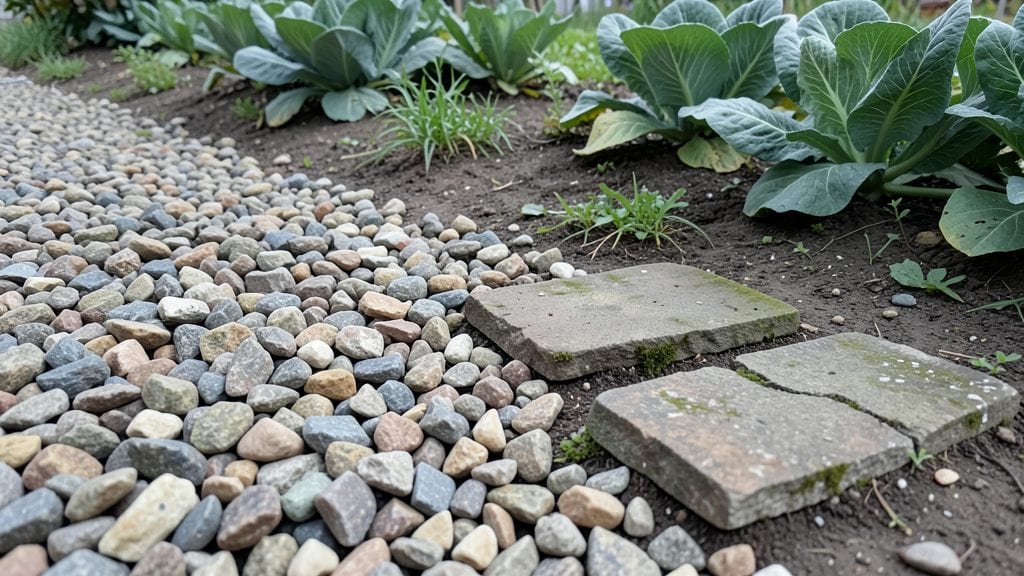
Your garden walkway materials should balance beauty, durability, and ease of maintenance—because nothing ruins a stroll through your garden like a crumbling path.
I’ve tested everything from rustic stepping stones to sleek pavers, and the right choice depends on your garden’s style, your budget, and how much foot traffic it’ll handle.
Gravel is the budget-friendly, low-maintenance champ for casual gardens—it drains well, blends into natural landscapes, and costs next to nothing to install. Pavers offer a polished, customizable look with interlocking stones that stay put, while bricks bring timeless charm but require precise leveling.
Wood adds warmth but needs sealing every few years to fight rot, and natural stone delivers that high-end, organic aesthetic if you’re willing to invest.
Imagine stepping onto a path that’s as durable as it is beautiful—no more muddy boots in spring or cracked concrete by summer. The best material for your space will depend on whether you prioritize ease (gravel), longevity (pavers), or natural beauty (stone).
Let’s match your garden’s vibe to the perfect pathway.
Whether you’re going for a cozy cottage garden or a modern minimalist look, the right walkway ties everything together. I’ll walk you through the pros, cons, and installation tips for each option so you can pick the one that fits your garden—and your lifestyle—perfectly.
📚 In This Guide
- What you need
- Instructions
- Tips and common mistakes
- Wrapping up and next steps
What you need
- ● Main Walkway Material (Choose One): Gravel (3–4 inches deep, 1 cubic yard per 10 sq. ft.)
- ● Pavers (50–100 sq. ft. per 10 sq. ft. of walkway, depending on spacing)
- ● Natural stone (slate, flagstone, or bluestone—~10 sq. ft. per sq. ft. of walkway)
- ● Concrete (4–6 inches thick, mixed on-site or pre-cast slabs)
- ● Timber (6x6 or 2x6 boards, 8 ft. lengths, ~1 per linear foot)
- ● Base & Substrate: Crushed gravel (1–2 inches deep, 1 cubic yard per 10 sq. ft.)
- ● Landscape fabric (1 roll covers ~400 sq. ft.)
- ● Sand (for leveling, 1 cubic yard per 10 sq. ft.)
- ● Essential Tools: Shovel & spade
- ● Wheelbarrow (for hauling materials)
- ● Level (4-ft. for accuracy)
- ● Rubber mallet (for setting pavers)
- ● String line & stakes (for layout)
- ● Measuring tape (25+ ft.)
- ● Safety gear (gloves, goggles, knee pads)
- ● Edging materials (metal, plastic, or brick)
- ● Decorative borders (mulch, rocks, or low plants)
- ● Outdoor sealant (for natural stone or pavers)
- ● Solar-powered path lights (for evening ambiance)
- ● Weed barrier cloth (extra protection for gravel paths)
Step-by-step guide to designing a functional garden walkway
Here's how to create a walkway that lasts seasons and enhances your garden's flow.
Measure and Plan Your Walkway Layout
Start by measuring the space where your walkway will go. A standard width of 2-3 feet provides comfortable passage while leaving room for plants on either side. Sketch a rough outline on paper, marking any curves or turns. I like to use a 4-foot tape measure and stakes to mark the edges—this keeps the path straight and prevents wandering lines.
Consider the path's purpose: Will it be a main thoroughfare or a decorative accent? Main paths should be at least 3 feet wide to accommodate two people walking side by side. For narrower paths, leave 12-18 inches of clearance around plants to avoid trampling them. Check for underground utilities before digging—call your local utility locator service if unsure.
Prepare the Base for Stability
Use a shovel and wheelbarrow to remove existing grass, weeds, or debris from the marked area. Dig down 4-6 inches to create a solid base. The depth depends on your material: gravel paths need a deeper base (6+ inches) to prevent shifting, while paver paths require 4 inches of compacted gravel for stability.
Level the base with a 2x4 board or a long straightedge. Drag the board over the soil to spot high or low areas—fill low spots with additional soil and tamp them down. For extra durability, lay down landscape fabric before adding your chosen material. This prevents weeds from growing up through cracks and keeps the base stable over time.
Choose and Install Your Walkway Material
Select a material based on your garden's style and maintenance preferences. Gravel is low-maintenance and drains well, while stepping stones add charm but require precise spacing. For a polished look, concrete pavers or brick create a structured, long-lasting path. Lay materials according to the manufacturer's guidelines—most require a sand or gravel bed for even support.
For a natural look, use decomposed granite or crushed stone—spread it evenly with a rake and tamp it down with a plate compactor. For pavers, lay them in a sawtooth pattern (staggered) to create a stable, interlocking surface. Leave a 1/4-inch gap between pavers for sand or polymer sand, which locks them in place and prevents shifting.
Secure Edges and Add Finishing Touches
Use landscape edging (plastic, metal, or stone) to keep your walkway material in place and prevent it from spreading into garden beds. Bend the edging into the ground at a 45-degree angle for a clean, polished look. For a softer edge, plant ground cover like creeping thyme or moss along the sides—this blends the path into the landscape naturally.
Add mulch or decorative stones around the edges to tie the walkway into your garden design. For a cohesive look, choose materials that complement your home's exterior or garden theme. Water the surrounding plants lightly after installation to help them recover from any disturbance during the process.
Maintain for Long-Term Beauty
Regular maintenance keeps your walkway looking its best. Sweep gravel paths monthly to prevent debris buildup and keep them level. For pavers, replenish sand in gaps every 1-2 years to maintain stability. Weeds may pop up in cracks—pull them early to avoid spreading.
Inspect your walkway after heavy rain or freeze-thaw cycles. Shifted materials or soft spots should be addressed promptly. A quick check every season ensures your path remains safe and attractive. With proper care, a well-built walkway can last decades, becoming a cherished part of your garden's functionality and beauty.
Tips & tricks for perfect garden walkway materials
Creating a durable garden walkway starts with smart planning and the right techniques—here's how to avoid common pitfalls and build a path that lasts.
Material Selection: Gravel is ideal for drainage and low maintenance, but opt for crushed stone if you want better stability underfoot. For a more formal look, concrete pavers or brick provide a polished finish, though they require precise leveling. If you're using stepping stones, choose ones with 1/4-inch gaps between them for proper drainage and to prevent shifting over time.
Base Preparation: The depth of your base matters—6 inches for gravel paths prevents shifting, while 4 inches of compacted gravel works for pavers. Use a 2x4 board as a straightedge to level the base thoroughly. I've learned the hard way that skipping this step leads to uneven paths that trip you up later. Tamp down the base firmly to eliminate any soft spots before adding materials.
Edge Control: Landscape edging isn't just decorative—it keeps your walkway materials contained and prevents them from spreading into garden beds. Bend the edging at a 45-degree angle to create a clean transition. For a softer look, plant ground cover like creeping thyme along the edges, but leave at least 12 inches of clearance to avoid trampling plants.
Long-Term Stability: For pavers, use polymer sand instead of regular sand to lock them in place and prevent weeds. Replenish the sand every 1-2 years to maintain stability. If you're using gravel, sweep it monthly to keep it level and prevent debris buildup. A little maintenance now saves you from major repairs later.
Pro Tips for Garden Walkway Materials
- Creating a durable garden walkway starts with smart planning and the right techniques—here's how to avoid common pitfalls and build a path that lasts.
- Material Selection: Gravel is ideal for drainage and low maintenance, but opt for crushed stone if you want better stability underfoot.
- Base Preparation: The depth of your base matters—6 inches for gravel paths prevents shifting, while 4 inches of compacted gravel works for pavers.
Frequently asked questions
Got questions about garden walkway materials?
You’re not alone! Here are answers to the most common concerns to help you make the best choice for your outdoor space.
What’s the most durable material for a garden walkway?
For long-lasting durability, pavers (concrete, brick, or stone) and natural stone are top picks. Pavers resist cracking and shifting, while stone offers timeless elegance and weather resistance. If you want low-maintenance, composite decking or gravel (with edging) are great alternatives for flexibility and drainage.
How long does it take to install a garden walkway?
Installation time varies by material and project size. Simple gravel paths take a weekend, while pavers or stone may require 1–3 days for a 20-foot walkway. DIY-friendly options like stepping stones or rubber mulch can be done in a few hours. For complex designs, hire a pro to save time and ensure precision!
What’s the cheapest garden walkway material?
Budget-friendly options include:
- Gravel ($1–$3 per sq. ft.) – Affordable but requires edging.
- Crushed stone ($2–$5 per sq. ft.) – Durable and easy to install.
- Concrete pavers ($3–$8 per sq. ft.) – Cost-effective with long-term value.
- Recycled rubber mulch ($2–$5 per sq. ft.) – Soft, safe, and eco-friendly.
Skip expensive natural stone or brick unless aesthetics are a priority!
Which materials handle rain and freeze-thaw cycles best?
Pavers (especially interlocking concrete or permeable pavers) and natural stone (like bluestone or flagstone) excel in wet climates. They drain well and resist shifting. For freeze-thaw zones, avoid solid concrete (it cracks) and opt for flexible materials like gravel or rubberized paths. Pro tip: Add a slight slope (¼ inch per foot) to prevent water pooling!
Can I install a walkway myself, or should I hire a pro?
DIY is doable for gravel, stepping stones, or pavers with basic tools (shovel, tamper, level). However, for stone pathways, complex curves, or large projects, hiring a pro ensures proper base prep, drainage, and longevity. If you’re unsure, start small—test a short section first!
Will a walkway hurt my garden or lawn?
Not if installed correctly! Use permeable materials (like gravel or permeable pavers) to allow water to seep into the soil. For lawns, stepping stones minimize disruption. Avoid sealing pavers in garden beds—opt for organic mulch around edges to blend seamlessly.
What’s the biggest mistake to avoid when choosing materials?
Skipping proper base preparation (compacted gravel/sand) leads to sinking or shifting. Also, avoid:
- Using unstable materials (like loose rocks) without edging.
- Ignoring slope/drainage—water damage ruins pathways fast!
- Choosing aesthetics over function (e.g., glass tiles in high-traffic areas).
Plan for foot traffic, climate, and maintenance before buying!
Wrapping up and next steps
Choosing the right garden walkway materials can transform your outdoor space into a functional and stunning retreat—no matter the season! 🌿 From timeless pavers to eco-friendly gravel, each option offers unique benefits in durability, aesthetics, and maintenance.
Whether you prioritize low upkeep, natural charm, or budget-friendly solutions, there’s a perfect path waiting for you.
Ready to take the next step? Sketch a simple design, gather samples, and consult local experts to ensure your walkway aligns with your vision. With the right materials and a little planning, your garden pathway will be the heart of your outdoor haven for years to come! ✨