
Landscaping
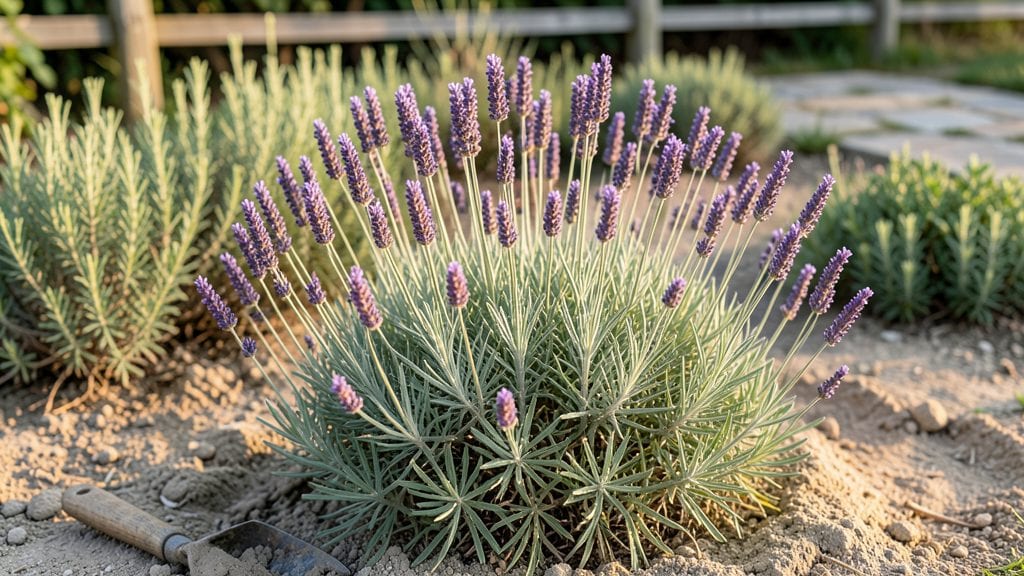
A memorial garden design becomes a quiet sanctuary where every plant tells their story. 🌿 I still remember the first time I walked through one—how the scent of lavender and the rustle of leaves made grief feel lighter, not heavier.
This isn't just about flowers; it's about creating a space that whispers memories when the wind blows through the branches.
The magic happens in the details: a winding path that invites reflection, a bench where sunlight warms in the afternoon, or a small fountain whose sound drowns out the noise of the world.
You don’t need a huge yard—even a corner with a few evergreens and a favorite flower can become sacred ground. The key is choosing plants that feel personal, whether it’s roses for love, sunflowers for joy, or white lilies for purity.
By the end, you’ll have a place that feels like them—where their favorite colors bloom, their favorite scents linger, and their presence stays as the seasons change. It’s not about perfection; it’s about creating something that feels true, something that holds their spirit even when they’re not there.
Here’s how to weave meaning into every element, from the stones underfoot to the stars above. Let’s make it beautiful, lasting, and deeply yours.
📚 In This Guide
- What you need
- Instructions
- Tips and common mistakes
- Wrapping up and next steps
What you need
- ● Soil & Mulch: Topsoil (2–4 cubic yards, depending on garden size)
- ● Organic mulch (e.g., cedar chips or bark, 2–3 bags)
- ● Plants & Flora: Perennials (e.g., lavender, roses, or coneflowers—5–10 plants)
- ● Evergreens (e.g., boxwood or juniper—3–5 shrubs for structure)
- ● Ornamental grasses (3–5 bundles for movement and texture)
- ○ Optional: Memorial-specific plants (e.g., butterfly weed for pollinators, lilies for remembrance)
- ● Hardscape Elements: Pavers or stepping stones (10–20 pieces, depending on pathways)
- ● Gravel or crushed stone (1–2 cubic yards for pathways)
- ● Benches or seating (1–2, weather-resistant materials like teak or metal)
- ● Memorial Features: Engraved markers or plaques (1–2, weatherproof material)
- ○ Wind chimes or solar-powered lights (optional but evocative)
- ● Water feature (e.g., small fountain or birdbath, if desired)
- ● Shovel & spade (for digging and planting)
- ● Garden rake & hoe (for soil prep and weeding)
- ● Wheelbarrow (1, for hauling materials)
- ● Measuring tape & string (for layout precision)
- ● Pruners & hand shears (for shaping plants)
- ● Level & rubber mallet (for hardscape installation)
- ○ Optional: Power tools (e.g., hedge trimmer, leaf blower for larger areas)
- ● Site Assessment: Measure sunlight/shade exposure and soil quality (test kit available at garden centers).
- ● Permits: Check local regulations for memorial installations (especially if adding structures like benches or fountains).
- ● Weatherproofing: Use treated wood, galvanized metal, or stone for longevity.
- ● Personal Touches: Gather photos, keepsakes, or heirloom plants tied to your loved one (e.g., a cutting from their favorite flower).
Step-by-step instructions for creating a memorial garden
Here's how to design a peaceful space that reflects their spirit while bringing you comfort.
🪴 Step 1: Choose a Thoughtful Location
Select a spot that feels meaningful—perhaps where you shared special moments with your loved one. Consider sunlight exposure: 6+ hours of sun suits most memorial gardens, but shade-loving plants like ferns or hostas work beautifully in dappled light areas. Measure the space carefully—aim for at least 4 feet by 4 feet for a balanced design.
Check the soil quality by digging a small hole. If it feels compacted or clay-heavy, you'll need to amend it later. Notice how the space feels at different times of day—morning sun might be ideal for delicate flowers, while afternoon shade could suit more resilient plants.
🌱 Step 2: Select Plants with Personal Significance
Choose plants that held special meaning to your loved one—maybe their favorite flowers, trees they admired, or herbs they used in cooking. For lasting beauty, include a mix of evergreens like boxwood or juniper for structure, perennials like lavender or peonies for seasonal color, and annuals like marigolds or pansies for quick impact. I always add at least one fragrant plant, like roses or jasmine, for sensory connection.
Consider their personality too: vibrant sunflowers for someone full of life, serene white lilies for a peaceful soul. Group plants by height—tallest in back, medium in middle, and shortest at the front—to create a natural, layered look. Don't forget to include a few native plants—they require less maintenance and support local wildlife.
☀️ Step 3: Arrange Elements for Flow and Comfort
Create a focal point first—this could be a bench, a small statue, or a tree they loved. Arrange paths or stepping stones to guide visitors through the space naturally. I like to include a seating area where you can sit and reflect, perhaps with a simple stone or wooden bench surrounded by low-growing plants. Leave some open space for spontaneous moments of quiet.
Add subtle elements like a wind chime, a birdbath, or a small fountain for soothing sounds. If they had a favorite color, incorporate it through flowers, mulch, or decorative stones. The goal is a space that feels intentional but not crowded—each element should have room to breathe and be appreciated individually.
✂️ Step 4: Prepare and Plant with Care
Clear the area of weeds and debris, then loosen the soil to a depth of 12 inches to help roots establish. Mix in compost or organic matter to improve drainage and fertility—this ensures your plants thrive with minimal effort. Dig planting holes twice as wide as the root ball but only as deep as the container's base level.
Place each plant gently, filling the hole with soil while firming it lightly around the roots. Water deeply right after planting to settle the soil and remove air pockets. I always add a layer of mulch—2-3 inches thick—to conserve moisture and suppress weeds. Choose mulch that complements the garden's color scheme, like dark brown bark or light-colored gravel.
💧 Step 5: Maintain and Tend with Love
Water newly planted memorial gardens 1-2 times per week, depending on rainfall, until plants are established. You'll know they're settled when you see new growth—this usually takes 4-6 weeks. Prune regularly to encourage healthy growth, removing dead or diseased branches immediately. I like to schedule maintenance at times when I can reflect, like early morning or evening.
Seasonal care keeps the garden vibrant: add fresh flowers in spring, protect plants from frost in winter, and adjust watering as temperatures change. Consider adding a small plaque or engraved stone with their name and dates—this simple touch makes the garden feel even more personal. Over time, the garden will evolve naturally, just like memories do.
Tips & tricks for creating a meaningful memorial garden
Creating a memorial garden that truly honors a loved one goes beyond just planting flowers—it's about weaving intention into every detail. Here are the insights I've gathered to help you craft a space that feels deeply personal and enduring.
The Location Secret: Trust your instincts when choosing a spot. If it feels right emotionally, it probably is. I've found that areas with existing sentimental value—like where they used to sit or enjoy the outdoors—often become the most meaningful focal points. For sunlight, observe the space at different times: morning light can be gentle and calming, while afternoon sun might create dramatic shadows that add depth to your design. Remember, the 4 feet by 4 feet minimum gives you room to work without feeling overwhelmed.
Plant Selection That Tells a Story: When selecting plants, think beyond aesthetics—consider their symbolism and personal connections. For example, sunflowers often represent joy and longevity, while white lilies symbolize purity and peace. I always include at least three types of plants: one that represents their personality, one that was meaningful to them, and one that brings sensory delight through fragrance or texture. Grouping by height creates natural layers that guide the eye through the space, much like how memories unfold.
Soil Preparation That Sets the Foundation: Don't skip the soil preparation step—healthy soil is the difference between a garden that thrives and one that struggles. The 12-inch depth for loosening soil ensures roots can establish properly, while mixing in compost creates a fertile base. I've learned the hard way that compacted soil leads to stunted growth and unhappy plants. For clay-heavy soil, consider adding sand or perlite to improve drainage—this makes all the difference for delicate plants like hostas that might otherwise suffer.
Maintenance with Meaning: The 4-6 weeks it takes for plants to establish is your window to create a routine that feels like a ritual. I've found that scheduling maintenance during times of reflection—like early morning or evening—makes the process feel more intentional. Consider adding a small plaque or engraved stone with their name and dates; this simple addition transforms the garden into a living tribute. Seasonal care keeps the space vibrant throughout the year, ensuring it remains a place of connection in every season.
Pro Tips for Memorial Garden Design
- Creating a memorial garden that truly honors a loved one goes beyond just planting flowers—it's about weaving intention into every detail.
- The Location Secret: Trust your instincts when choosing a spot.
- Plant Selection That Tells a Story: When selecting plants, think beyond aesthetics—consider their symbolism and personal connections.
Frequently asked questions
Got questions about creating a memorial garden that feels personal and meaningful? Here are answers to some of the most common concerns—helping you design a space that honors your loved one with intention and care.
What’s the best time of year to start planning a memorial garden?
The best time to start planning is whenever you’re ready—emotionally and practically. However, spring or early fall are ideal for planting, as mild weather and soil conditions make it easier to establish perennials, shrubs, or trees. If you’re designing for seasons, consider planting bulbs in fall for early spring blooms. Start with a sketch or mood board to gather inspiration before digging!
How do I incorporate personal touches without making it too sentimental?
Balance sentiment with simplicity by focusing on subtle, enduring elements. Use engraved stones, a dedicated bench with a plaque, or native plants that reflect your loved one’s favorite colors or hobbies. Avoid clutter—opt for one or two meaningful features (like a wind chime or a small fountain) instead of overcrowding. The goal is a serene space that feels intimate, not overwhelming.
Are there low-maintenance memorial garden ideas for busy families?
Choose drought-tolerant plants, ground covers (like creeping thyme or sedum), and mulch to reduce upkeep. A gravel path or decomposed granite adds beauty without weeding. Consider a wildflower meadow or a native plant garden—they require minimal care and support local ecosystems. Even a simple flagstone border with a few evergreens or ornamental grasses can create a lasting tribute with ease.
What if I’m not a gardener? Can I still create a meaningful memorial?
You don’t need a green thumb to design a touching memorial! Start with hardscape elements like a bench, stone pathway, or etched glass panel. Add potted plants or a small fountain for movement and sound. Many landscapers specialize in memorial gardens—hire one to bring your vision to life. Even a single tree planted in their honor can grow into a lasting symbol of love.
How do I protect my memorial garden from weather or erosion?
Use permeable materials like gravel, stepping stones, or retaining walls to prevent erosion. Plant erosion-resistant species (e.g., switchgrass, junipers) on slopes. For delicate features, add a protective overhang or choose weatherproof materials like bronze plaques or slate. Regularly check for drainage issues—especially after heavy rains—to keep the space intact for years to come.
Wrapping up and next steps
Creating a memorial garden design is a deeply personal and rewarding way to honor loved ones while crafting a serene, meaningful space. Whether you choose lush greenery, symbolic plants, or peaceful pathways, the key is to blend beauty with intention—making every element a tribute to their memory. 💐
Now that you’re inspired, take the next step: sketch your vision, gather materials, and start small. Even a single bench or a favorite flower can begin your garden’s legacy. Your loved one’s story deserves to bloom—let’s make it happen!