Pests
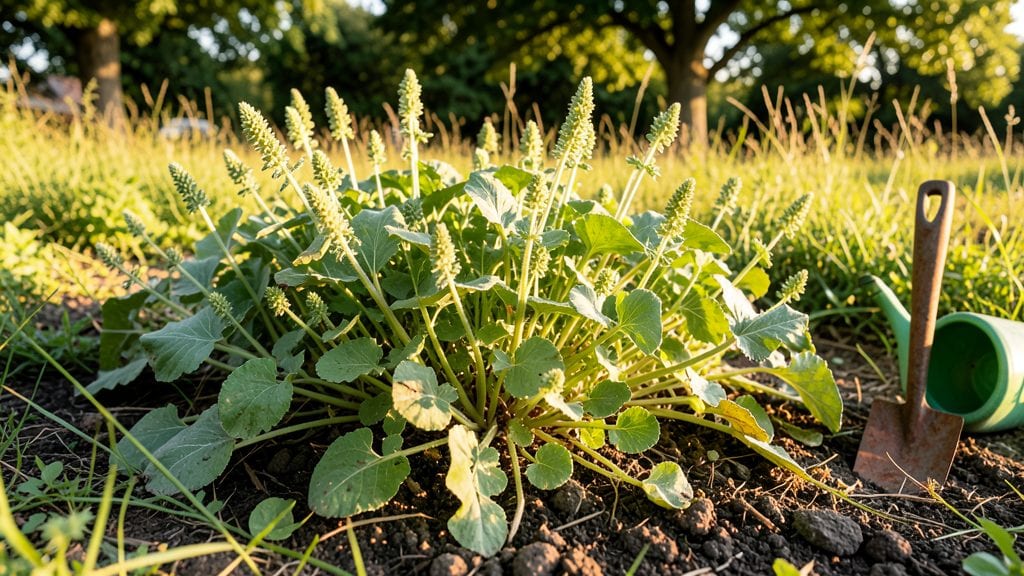
Identifying garden weed leaves is the first step to reclaiming your garden without harsh chemicals.
I’ve spent years watching weeds steal nutrients from my prized tomatoes, and the key to beating them starts with knowing what you’re up against—whether it’s the jagged edges of dandelion leaves or the smooth, arrowhead shape of plantain.
The right mix of natural ingredients can stop them dead in their tracks without harming your plants.
My go-to blend combines vinegar, dish soap, and a splash of lemon juice—simple, effective, and ready in under five minutes. The vinegar kills weeds by drying them out, while the soap helps it cling to leaves.
I spray it on a sunny afternoon when the soil is damp, and within days, even the toughest weeds wither. It’s not a one-time fix, but consistent use cuts down on pulling weeds by half.
What you’ll end up with is a garden where your vegetables thrive instead of fighting for space. The soil stays healthier, your plants grow stronger, and you avoid the backbreaking work of hand-pulling. Plus, the blend works on sidewalks, driveways, and garden beds alike—anywhere weeds try to take over.
Works best in warm weather when weeds are actively growing, but even in cooler months, it prevents new sprouts. Here’s how to mix it, apply it, and keep your garden weed-free season after season.
The Hidden Triggers Behind Weeds
Weeds don’t just pop up out of nowhere—they thrive because of specific conditions in your garden. Understanding these triggers is the first step to stopping them before they take over. Let’s break down the science behind why unwanted plants keep showing up in your green space.
Weeds love weak soil. When your garden beds lack essential nutrients or have poor structure, they create the perfect breeding ground for unwanted plants. Here’s why:
- Compacted or Bare Soil: Weeds like dandelions and crabgrass thrive in disturbed or compacted soil because they can easily push through. Bare patches (from erosion or poor mulching) also leave space for weed seeds to germinate.
- Excess Nitrogen: While nitrogen helps vegetables grow, it can make weeds like chickweed and henbit grow faster than your desired plants. Over-fertilizing shifts the balance in favor of weeds.
- Lack of Organic Matter: Soil low in compost or decomposed plant material struggles to retain moisture and nutrients, leaving gaps that weeds exploit.
💡 Pro Tip: Test your soil’s pH and nutrient levels annually. Amend it with compost or well-rotted manure to crowd out weeds naturally.
Watering habits play a bigger role in weed growth than most gardeners realize. Here’s how excess moisture helps weeds:
- Shallow Watering: Light, frequent watering keeps the top layer of soil moist—ideal for weed seeds (which germinate near the surface). Deep watering encourages deeper root growth in your plants, not weeds.
- Poor Drainage: Areas with standing water (like low spots or clay-heavy soil) create anaerobic conditions that suffocate desired plants but let weeds like smartweed or sedge thrive.
- Splash from Irrigation: Sprinklers can fling weed seeds from lawns or pathways directly into garden beds, spreading them like confetti.
🎯 Action Step: Water deeply but infrequently (1–2 inches per week) and use drip irrigation or soaker hoses to target plant roots, not weeds.
Weeds are opportunistic sun-seekers. Even small patches of light in your garden can trigger their growth:
- Thin Canopy: If your plants are widely spaced or struggling, sunlight reaches the soil, signaling weed seeds to germinate. Shade-tolerant weeds like creeping Charlie or clover take advantage.
- Newly Disturbed Areas: After planting, tilling, or removing old mulch, light hits bare soil, prompting a "weed explosion."
- Edge Effects: Weeds often creep in along fences, sidewalks, or tree lines where light filters through unevenly.
✨ Solution: Use dense mulch (3–4 inches thick) or shade cloth to block light. Plant ground covers like creeping thyme or vinca to outcompete weeds.
Weeds don’t just sprout from seeds—they hitchhike on wind, water, and even your tools. Here’s how they spread:
- Wind-Dispersed Seeds: Plants like thistle and milkweed release lightweight seeds that travel miles. Even a gentle breeze can drop them into your garden.
- Animal & Human Activity: Birds, squirrels, and even your shoes can carry weed seeds from one area to another. Mowing or tilling can bury seeds shallowly, tricking them into germinating.
- Contaminated Soil or Mulch: Cheap bagged soil or untreated mulch often contains weed seeds. Always check labels for "weed-free" guarantees.
🔥 Prevention Tip: Remove weeds before they go to seed. Use a tarp to smother weed patches for 4–6 weeks to starve existing seeds.
By addressing these root causes—soil health, watering habits, light exposure, and seed spread—you’ll starve weeds before they start. The key is consistency: healthy soil, smart watering, and proactive barriers will keep your garden weed-free naturally.
Natural Ways to Remove Weed Leaves
Weeds don’t just steal nutrients—they crowd out your plants, disrupt garden aesthetics, and even invite pests. But before reaching for harsh chemicals, try these effective, organic solutions tailored to common causes of weed leaf overgrowth. Each method is simple, eco-friendly, and designed to work fast while preventing future invasions.
Cause: Weeds thrive in bare soil where sunlight and nutrients are abundant. Fix:
- Apply organic mulch (straw, wood chips, or grass clippings) to block sunlight and smother weeds. Aim for a 2–4 inch layer—thicker layers work better but may need occasional replenishing.
- Landscape fabric under mulch adds an extra barrier, but ensure it’s perforated to allow water drainage. For edible gardens, skip synthetic fabrics—they can leach chemicals.
- Solarize soil in late spring: Cover weed-infested areas with clear plastic sheeting for 4–6 weeks. The trapped heat kills weed seeds and roots without chemicals.
💡 Pro Tip: Mulch also retains moisture, reduces watering needs, and improves soil health over time. Just avoid fresh wood chips (they can rob nitrogen) and stick to aged or untreated options.
Cause: Deep-rooted weeds (like dandelions or crabgrass) survive shallow pulling. Fix:
- Boiling water method (best for driveways or paved areas):
- Heat 1–2 gallons of water until boiling.
- Pour directly over weeds, ensuring the entire leaf and root are covered. Repeat weekly until gone.
- Works best on young weeds—older ones may regrow from stubborn roots.
- Vinegar spray (for organic gardeners):
- Mix 1 gallon white vinegar + 1 cup salt + 1 tbsp dish soap in a spray bottle.
- Spray directly on weeds (avoid desirable plants—vinegar kills everything it touches!).
- Reapply after rain or every 3–5 days for tough weeds.
- ⚠️ Warning: Vinegar can harm grass and plants, so use a shield or cardboard to protect nearby greenery.
🔥 Hot Tip: For large areas, use a pressure washer on the highest setting to blast weeds away—no chemicals needed!
Cause: Poor soil encourages weeds by leaving gaps for seeds to sprout. Fix:
- Improve soil with compost: Weeds love nutrient-poor soil. Amend beds with 2–3 inches of compost to outcompete weeds naturally.
- Plant ground covers: Creeping thyme, clover, or living mulches (like winter rye) crowd out weeds while adding nitrogen to the soil.
- Interplant with dense crops: Use fast-growing cover crops (like buckwheat) to shade out weed seeds before they germinate.
🌡️ Science-Backed Trick: Corn gluten meal (a byproduct of corn processing) prevents weed seeds from sprouting when applied in early spring. Sprinkle 20 lbs per 1,000 sq ft and water lightly.
Cause: Small patches of weeds in flower beds or between plants. Fix:
- Pull weeds when soil is moist (after rain or watering) for easier extraction.
- Use a weeding tool (like a hula hoe or dandelion digger) to avoid hand fatigue.
- For deep roots, wiggle the weed side-to-side to loosen before pulling.
- Dispose of weeds properly: Bag them and trash them (don’t compost—weed seeds can survive and reinfest).
✨ Bonus: Turn pulled weeds into free compost—just chop them finely and bury them under mulch to decompose.
- Hand-pull weeds weekly—don’t let them go to seed!
- Water deeply but less often—weeds thrive in shallow, frequent watering.
- Use a pre-emergent herbicide (like corn gluten) in early spring to block weed seeds.
- Solarize bare soil in summer to kill dormant weed seeds.
- Encourage beneficial insects (like ladybugs and lacewings)—they eat weed seeds before they sprout.
Final Thought: The key to permanent weed control is consistency. Combine mulching, manual removal, and soil enrichment** for a garden that stays lush—and weed-free—with minimal effort. 🌿✨
Frequently asked questions
How do I identify common garden weed leaves?
Look for distinct leaf shapes: dandelions have jagged, toothed edges, while plantain leaves are broad with parallel veins. Crabgrass has flat blades with a rough texture, and clover forms three-leaf clusters. Use a plant ID app or compare with local weed guides to confirm.
Is it safe to use vinegar on all types of weeds?
Vinegar works best on broadleaf weeds like dandelions and chickweed, but avoid using it near grass or desirable plants—it kills everything it touches. For grassy weeds (like crabgrass), try a targeted spot treatment or manual removal instead.
Can I reuse pulled weed leaves for compost?
Only if you chop them finely and bury them deep under mulch or compost. Whole weed leaves may resprout or spread seeds. For edible gardens, skip composting weeds entirely to prevent reinfestation.
How often should I apply natural herbicide blends?
Reapply every 3–5 days for active weed growth, especially after rain. In hot, dry conditions, weekly applications work best. Consistency is key—weeds regrow quickly if treatment stops.
What’s the best time of day to spray weed killer?
Apply between 10 AM and 2 PM on a sunny day when weeds are dry. This ensures maximum absorption and minimizes evaporation. Avoid spraying in windy conditions to prevent drift onto desirable plants.